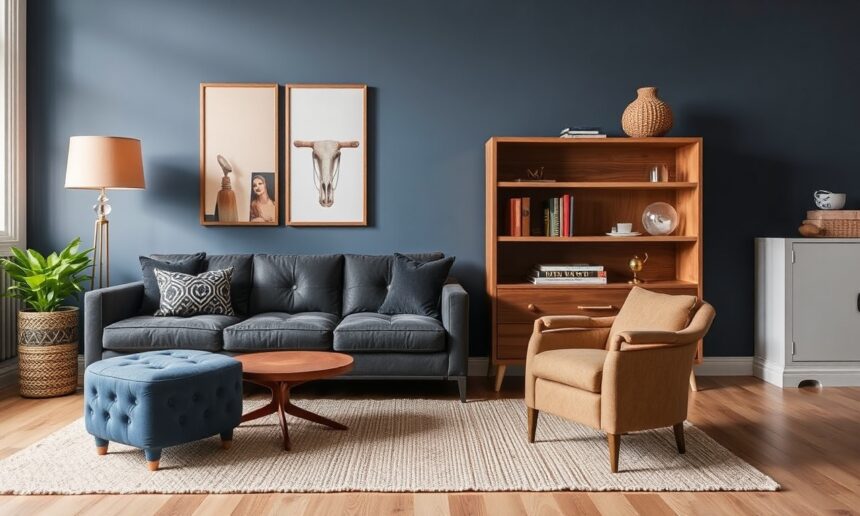
The Unseen Potential: Why Transforming Furniture is More Than Just a Trend
Transforming furniture is an act of creative reclamation, moving beyond mere sustainability or a budget-friendly choice. For too long, the prevailing narrative has favored disposability, relegating beloved pieces to the curb at the first sign of wear. Yet, beneath chipped paint or faded upholstery often lies a story, craftsmanship, and structural integrity that modern items struggle to match. This process encourages us to see beyond the superficial, recognize inherent value in items that have witnessed our lives, and imbue them with renewed purpose. It champions individuality, reduces environmental impact, and cultivates a deeper connection to our living spaces. The magic lies not just in the aesthetic metamorphosis, but in the narrative it weaves, connecting past, present, and future.
- The Unseen Potential: Why Transforming Furniture is More Than Just a Trend
- The Foundation of Transformation: Assessment and Preparation
- Unlocking Creativity: Design Concepts and Aesthetic Evolution
- The Transformation Toolkit: Essential Materials and Techniques
- Surface Preparation: Sanding, Stripping, and Priming
- Application Techniques: Painting, Staining, and Sealing
- Upholstery Fundamentals
- Advanced Techniques and Creative Flourishes
- The Art of Restoration vs. Reinvention: Choosing Your Path
- Frequently Asked Questions
- What are the most common mistakes people make when transforming furniture?
- How can I determine if a piece of furniture is worth transforming?
- What are the best types of paint for transforming furniture?
- How do I safely remove old paint or varnish?
- Can I transform laminate or veneer furniture?
- Final Recommendations: Cultivating Your Creative Sanctuary
Wikipedia: Contents — Wikipedia
When it comes to transforming furniture, “The most profound transformations often begin with a willingness to look beyond the obvious, to see not what a piece *is*, but what it *could be*.”
Key Takeaways:
- Reclaiming Value: Transforming furniture is an act of recognizing and restoring inherent worth, moving beyond disposability.
- Individual Expression: It allows for unique personalization that mass-produced items cannot replicate, reflecting personal style.
- Environmental Stewardship: Upcycling and refurbishing significantly reduce waste and the demand for new manufacturing.
- Deepened Connection: Giving new life to old pieces fosters a stronger emotional bond with one’s home and its contents.
The Foundation of Transformation: Assessment and Preparation
In the context of transforming furniture, Before any sanding, painting, or reupholstering begins, meticulous assessment and preparation are critical. This stage solidifies the vision and averts potential pitfalls. Rushing this phase is akin to building on shaky ground; results will likely be short-lived. A thorough examination involves identifying cosmetic blemishes and probing for structural integrity. Are the joints sound? Is the wood free of significant rot or insect damage? Is the existing finish salvageable or does it require complete removal? Understanding the materials – solid wood, veneer, metal, plastic – dictates appropriate techniques and products. This foundational knowledge is paramount for a successful and enduring transformation.
Around transforming furniture, 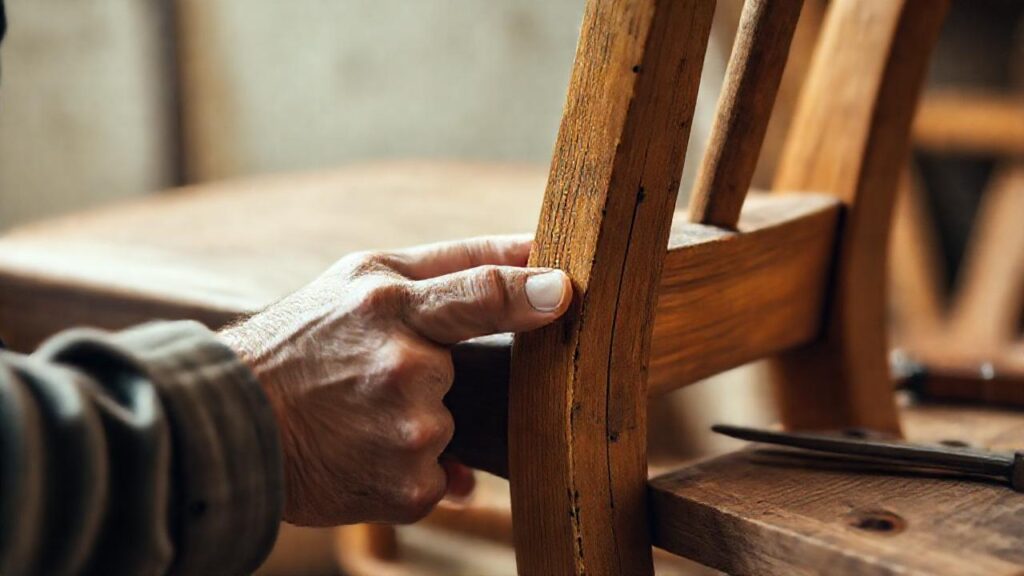
Structural Integrity Checks
Regarding transforming furniture, The backbone of any furniture piece is its structure. Loose legs, wobbly drawers, or sagging shelves are functional impairments that must be addressed first. For wooden furniture, this often means tightening or reinforcing joints using glue blocks or dowels, depending on the original construction. For upholstered items, the frame’s stability and the condition of springs or webbing are paramount. A professional assessment, if uncertain, can save significant time and resources.
Surface Evaluation: Paint, Varnish, and Upholstery
When it comes to transforming furniture, Once structural soundness is confirmed, attention turns to surfaces. The existing finish is a significant factor. Is it a durable lacquer, a simple paint, or an oil finish? Each requires different stripping or preparation methods. For upholstery, assessing the fabric’s wear, fading, and the condition of the padding beneath is crucial. Sometimes, a deep clean and new fabric can revitalize an item; other times, a full deconstruction and rebuild may be necessary.
Unlocking Creativity: Design Concepts and Aesthetic Evolution
The true artistry of transforming furniture lies in envisioning its potential, infusing personality and style. This isn’t about replicating factory perfection. Design concepts range from subtle enhancements that honor the piece’s original character to bold reinventions. Inspiration can be drawn from historical periods, contemporary trends, art movements, or the natural world. The key is to develop a cohesive vision aligned with your personal aesthetic and the piece’s intended placement.
Embracing Different Styles
In the context of transforming furniture, Consider the journey from drab to dramatic. A Queen Anne style chair might be transformed with vibrant, modern fabric and a high-gloss lacquer finish for a striking juxtaposition. Conversely, a mid-century modern dresser could gain rustic charm with a distressed paint finish and antique hardware. The possibilities are virtually limitless, encouraging experimentation with color, texture, and form. Researching different design eras and styles provides a rich palette. For example, the Art Deco movement, known for its geometric patterns and luxurious materials, offers a distinct visual language. Research suggests that engaging in creative activities like furniture restoration can lead to increased self-reported well-being and reduced stress.
Around transforming furniture, 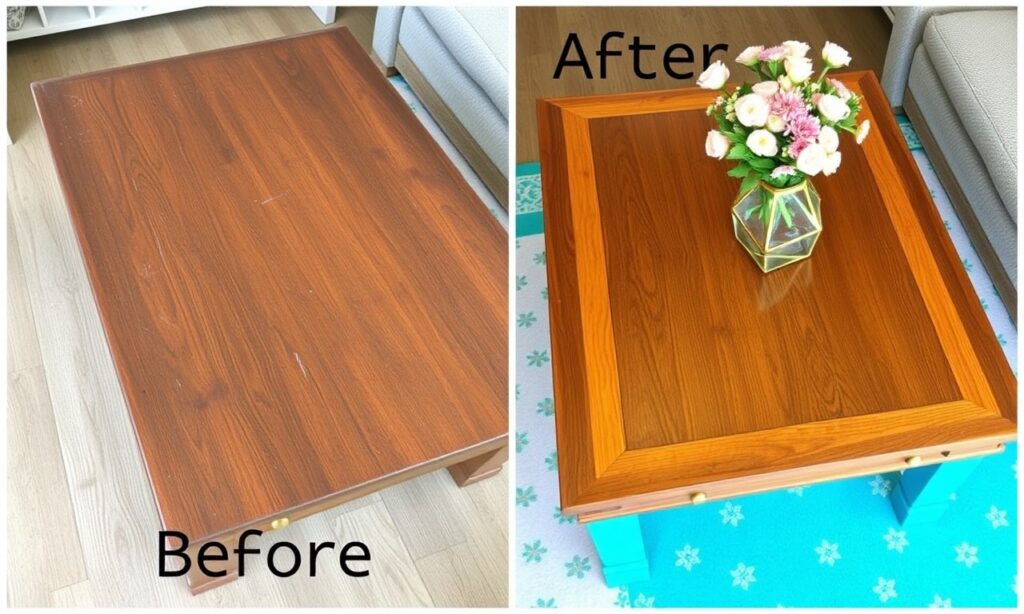
Color Theory and Material Palettes
Regarding transforming furniture, Color is perhaps the most immediate and impactful tool in furniture transformation. Understanding basic color theory helps informed decisions. Complementary colors create high contrast and visual energy, while analogous colors offer a more harmonious effect. The choice of finish – matte, satin, gloss, or textured – drastically alters perceived quality and style. Beyond paint, consider integrating other materials. Adding metal accents, new hardware, or incorporating elements like leather or natural fibers can elevate the design and add sophistication.
When it comes to transforming furniture, “The most compelling furniture transformations don’t just change a piece’s appearance; they reinterpret its very soul, making it sing a new song in your home.”
The Transformation Toolkit: Essential Materials and Techniques
Successfully transforming furniture requires a judicious selection of tools and an understanding of fundamental techniques. Investing in quality supplies makes the process more enjoyable and ensures a professional-looking, durable result. From initial stripping to the final protective coat, each step demands the right approach, blending craftsmanship and creativity.
Surface Preparation: Sanding, Stripping, and Priming
In the context of transforming furniture, The bedrock of a flawless finish is meticulous surface preparation. This often begins with sanding. The grit of sandpaper is crucial; starting with a coarser grit (e.g., 80-120) to remove old finishes or imperfections, then progressing to finer grits (e.g., 180-220) for a smooth surface ready for primer or paint. Chemical strippers can be effective for stubborn finishes but require careful ventilation and protective gear. Primer acts as a bridge between the raw surface and the topcoat, ensuring better adhesion and a more uniform color. For wood, a good quality primer seals the grain and prevents tannins from bleeding through lighter paint colors.
Application Techniques: Painting, Staining, and Sealing
Around transforming furniture, When applying new finishes, technique is as important as the product. Brushing, rolling, or spraying each have merits. For a smooth, brush-stroke-free finish on painted furniture, thin, even coats are key, often applied with a high-quality synthetic brush or a foam roller. Staining requires a different approach, often involving wiping on and wiping off the stain to achieve desired depth of color. For both painted and stained pieces, a clear topcoat – be it polyurethane, varnish, or wax – is essential for protection against wear and tear. Research indicates that consumers often associate well-maintained possessions with higher levels of personal competence and care.
Upholstery Fundamentals
Regarding transforming furniture, Transforming upholstered furniture involves working with fabric, padding, and sometimes structural elements like springs or webbing. Essential tools include a heavy-duty staple gun, upholstery needles, strong thread, and a tack puller. Selecting the right fabric is crucial, considering durability, texture, and how it complements the overall design. Understanding how to properly measure and cut fabric, and how to create smooth, taut surfaces, is vital for a professional finish.
Advanced Techniques and Creative Flourishes
When it comes to transforming furniture, Once the fundamentals are mastered, a universe of advanced techniques and creative flourishes can elevate a transformed furniture piece from good to extraordinary. These elements imbue a piece with true character and make it a conversation starter, requiring practice and precision for rewarding results.
Distressing and Antiquing
In the context of transforming furniture, Achieving a naturally aged look, often referred to as distressing or antiquing, can add depth and character to new finishes. This can be achieved through various methods: lightly sanding edges and high-wear areas after painting to reveal underlying layers, using crackle mediums to create a fractured finish, or applying glazes to mimic the patina of age. The goal is to create a look that appears authentic.
Hardware Upgrades and Customization
Around transforming furniture, The hardware on furniture – knobs, pulls, hinges – are its jewelry. Upgrading or customizing them can dramatically alter its appearance and feel. Replacing dated hardware with antique reproductions, modern minimalist designs, or unique artisanal pieces can instantly update a dresser, cabinet, or desk. Consider materials like brushed nickel, matte black, polished brass, or decorative ceramic or glass.
Stenciling and Decoupage
Regarding transforming furniture, For those seeking intricate patterns or personalized imagery, stenciling and decoupage offer powerful creative avenues. Stencils can be used to apply complex designs or custom motifs onto furniture surfaces, adding a bespoke touch. Decoupage involves adhering paper cutouts – from old maps and book pages to decorative papers – to the furniture and sealing them with a clear finish. These techniques allow for unparalleled personalization.
The Art of Restoration vs. Reinvention: Choosing Your Path
When embarking on a furniture transformation, a crucial decision point arises: will you focus on restoration or reinvention? Both approaches have merits and appeal to different sensibilities. Understanding the distinction is key to setting realistic expectations and achieving the desired outcome. Restoration aims to bring a piece back to its original or near-original condition, preserving its historical integrity and craftsmanship. Reinvention, on the other hand, involves a more radical departure, using the existing structure as a canvas for a completely new aesthetic or functional purpose.
Restoration: Honoring the Past
Restoration is about reverence. It’s about meticulously repairing damage, matching original finishes, and preserving the authentic character of the piece. This approach is often favored for antique or historically significant items where maintaining authenticity is paramount. Restoring a Victorian-era writing desk might involve repairing veneer, matching the exact shade of French polish, and sourcing period-appropriate hardware. The satisfaction comes from breathing life back into something precious and ensuring its legacy. Research suggests proper restoration can significantly increase the lifespan and value of historical artifacts.
Reinvention: Embracing the Future
Reinvention is about bold creativity. It’s about seeing past the current state of a piece and imagining its future. This could mean transforming an old trunk into a stylish coffee table, repurposing wooden pallets into a unique headboard, or painting a vintage dresser in a daring, contemporary color. Reinvention celebrates material flexibility and imagination, often leading to highly personalized and unexpected results. It’s about making the piece work for your current lifestyle and aesthetic.
Frequently Asked Questions
What are the most common mistakes people make when transforming furniture?
Insufficient preparation is a prevalent error. Skipping thorough cleaning, sanding, or priming can lead to adhesion issues, an uneven finish, or a short-lived result. Another common mistake is using the wrong type of paint or finish for the material, causing peeling or chipping. Rushing drying times between coats is also a pitfall, compromising the finish. Finally, not addressing structural issues before focusing on aesthetics can result in a piece that looks good but is functionally unstable.
How can I determine if a piece of furniture is worth transforming?
Consider the construction quality and materials. Solid wood furniture, even if damaged, often has inherent value. Check for robust joinery, such as dovetails or mortise-and-tenon joints. The style and potential historical significance can also make a piece worth transforming. If the piece has sentimental value or a unique design that appeals to you, these are strong indicators. Conversely, if a piece is made of cheap particleboard with extensive water damage or is structurally unsound beyond repair, it might be more cost-effective to replace it.
What are the best types of paint for transforming furniture?
For a durable and smooth finish, especially on wood, chalk paint and mineral-based paints are popular because they adhere well to most surfaces with minimal prep and often don’t require a separate primer. Acrylic latex paints offer a wide range of colors and finishes. For high-traffic items, a high-quality polyurethane or a durable enamel paint, often requiring a primer, will provide superior protection. Always ensure the paint is appropriate for the material you are working with.
How do I safely remove old paint or varnish?
Safety is paramount. Chemical strippers are effective but require good ventilation and protective gear (gloves, eye protection, respirator). Apply the stripper according to manufacturer instructions, allow it to work, and then gently scrape away the softened finish. For less stubborn finishes, sanding with progressively finer grits of sandpaper is viable. Always dispose of old finishes and stripper residue responsibly, as they can be hazardous waste.
Can I transform laminate or veneer furniture?
Yes, it’s possible but requires specific techniques. Laminate and veneer surfaces are thin and can be easily damaged. Thorough cleaning and light sanding with fine-grit sandpaper are crucial. A good quality bonding primer designed for slick surfaces is often necessary before applying paint. Avoid aggressive sanding or stripping, as this can lift or damage the laminate or veneer. For veneer, ensure it’s well-adhered; if peeling, it may need to be glued down first.
Final Recommendations: Cultivating Your Creative Sanctuary
The journey of transforming furniture is deeply rewarding, offering aesthetic enhancements, a connection to craftsmanship, sustainability, and personal expression. Approach each project with patience, an inquisitive mind, and a willingness to learn. Don’t be afraid to experiment; the most beautiful outcomes often arise from unexpected choices. Remember that every piece has a story, and by tending to its transformation, you are not just altering an object, but adding a new chapter to its narrative and enriching your living space. Embrace the process, celebrate imperfections, and revel in the satisfaction of creating something uniquely yours.
See also: transforming furniture