The Unseen Tyranny of Clutter and the Promise of Space
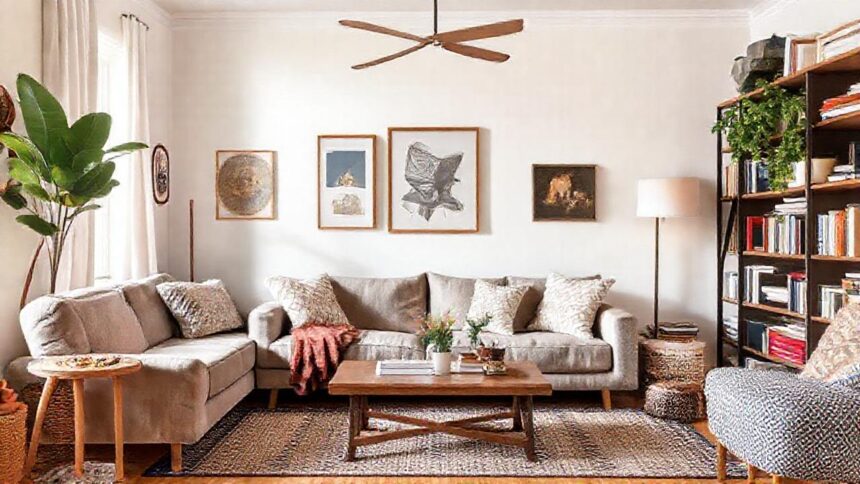
Imagine walking into your living room after a long day, not greeted by a sense of calm and order, but by the visual cacophony of overflowing shelves, furniture that feels too large, and the general disarray that whispers “not enough room.” This isn’t a rare affliction; for many, it’s a daily reality. The modern home, particularly in urban environments, often demands ingenuity to maximize every square inch. The quest for a polished, clutter-free existence isn’t merely about aesthetics; it’s about mental well-being, efficiency, and creating a sanctuary that supports, rather than hinders, our lives. The solution lies not in acquiring more space, but in fundamentally rethinking how we utilize the space we possess.
- The Unseen Tyranny of Clutter and the Promise of Space
- Why Embrace Space Saving Furniture? Beyond Aesthetics
- Key Principles of Space Saving Design
- Embracing Multi-Functionality: Furniture That Works Overtime
- The Vertical Advantage: Reaching for the Ceiling
- DIY Space Saving Furniture Projects: Crafting Your Solutions
- Repurposing and Upcycling: Creative Space Saving Solutions
- Floating Shelves: The Illusion of Airiness
- Repurposed Crates and Pallets: Rustic Charm and Functionality
- Under-Bed Storage: Maximizing Every Inch
- Integrating Space Saving Furniture into Existing Decor
- Smart Storage Solutions for a Clutter-Free Haven
- Utilizing Wall Space: Beyond Shelving
- Vertical Drawer Organizers and Dividers
- The Power of Baskets and Bins
- Maintaining Your Space Saving Sanctuary
- Frequently Asked Questions
- What are the most impactful DIY space saving furniture projects for beginners?
- How can I make my small living room feel larger using furniture?
- Is it better to buy or build space saving furniture?
- What are some common mistakes to avoid when implementing space saving solutions?
- How can I ensure my space saving furniture remains stylish and not just functional?
This is where the art and science of space saving furniture projects come into play, offering a pathway to both functionality and refined living.
The true measure of a home’s spaciousness is not its square footage, but its thoughtful organization and the intentionality behind each furnishing choice.
Why Embrace Space Saving Furniture? Beyond Aesthetics
The impulse to declutter and organize often stems from a desire for a more visually appealing home. However, the benefits of incorporating space saving furniture projects extend far beyond mere aesthetics, impacting our daily lives in profound ways. A well-organized space reduces stress, enhances productivity, and can even foster a greater sense of peace. Consider the sheer mental overhead of navigating a cluttered environment. Research suggests that clutter can negatively affect mood and cognitive function. For instance, some studies have indicated a link between cluttered environments and increased stress responses. Conversely, an organized home promotes a sense of control and calm. Furthermore, space saving solutions inherently encourage mindful consumption and a deeper appreciation for the items we choose to keep.
It forces us to be more deliberate about what we bring into our homes and how we arrange it, leading to a more curated and intentional living environment.
When we design our homes to be efficient, we are designing our lives to be more serene.
Key Principles of Space Saving Design
Successfully implementing space saving furniture projects requires more than just buying smaller items. It’s about adopting a strategic approach that maximizes utility, minimizes visual noise, and enhances the perceived size of a room. At its core, space saving design prioritizes multi-functionality and verticality.
Embracing Multi-Functionality: Furniture That Works Overtime
The most effective space saving furniture pieces are those that serve multiple purposes. A coffee table that lifts to become a dining surface, a sofa that discreetly hides a bed, or ottomans with integrated storage are prime examples. These items are not just furniture; they are strategic assets in the battle against limited space. They eliminate the need for separate pieces, thereby reducing the overall furniture footprint in a room. For example, a murphy bed, when folded away, can completely transform a bedroom into a functional home office or living area during the day, a concept that has been revolutionizing small-space living for decades.
The key is to identify the core needs of a space and select furniture that can address them in the most efficient way possible.
The Vertical Advantage: Reaching for the Ceiling
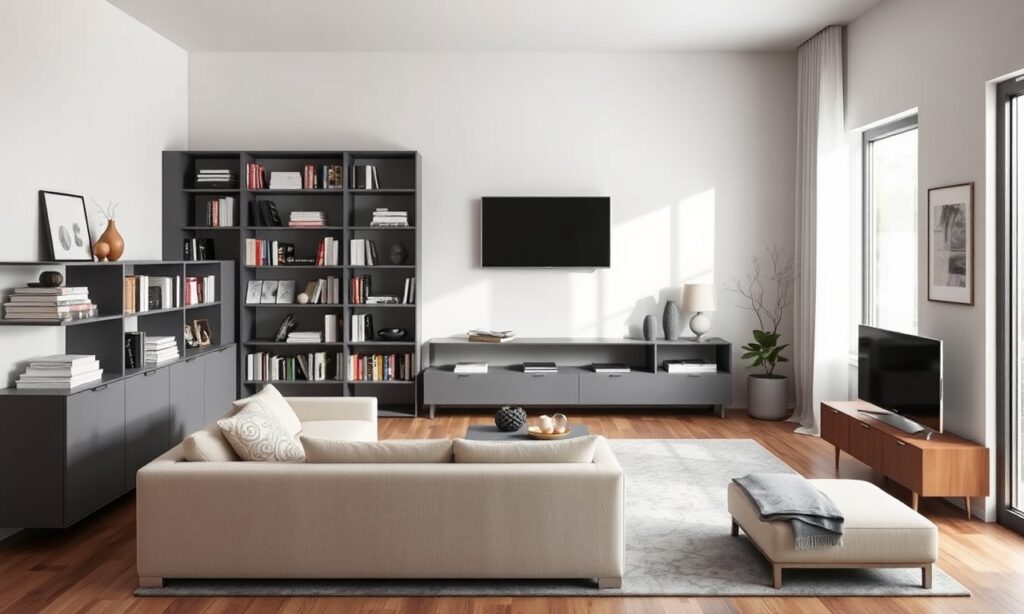
When floor space is at a premium, looking up becomes paramount. Vertical space saving solutions, such as wall-mounted shelving units, tall bookcases, and modular storage systems that extend to the ceiling, are indispensable. These elements draw the eye upward, creating an illusion of greater height and space, while simultaneously providing ample storage without encroaching on valuable floor area. Think of floor-to-ceiling bookshelves that not only house your literary collection but also serve as a visually stunning architectural feature. Similarly, wall-mounted desks and entertainment units can free up significant floor space, making a room feel more open and airy.
DIY Space Saving Furniture Projects: Crafting Your Solutions
For those with a DIY spirit, creating custom space saving furniture can be an incredibly rewarding endeavor, allowing for tailored solutions that perfectly fit specific needs and aesthetics. These projects often repurpose common materials and require a moderate skill set, making them accessible to a wide range of homeowners.
The Transformative Wall Bed/Desk Combo
One of the most impactful DIY space saving projects is the wall bed that cleverly conceals a desk. This ingenious design allows a room to transition seamlessly from a home office to a comfortable bedroom.
- Design and Planning: Measure your space meticulously. Determine the desired dimensions for both the bed and the desk. Research existing wall bed mechanisms for inspiration on pivots and support systems. Consider the weight of the desk and any items that will remain on it when the bed is lowered.
- Frame Construction: Build a robust frame for the bed that will be mounted to wall studs for maximum stability. This typically involves sturdy plywood or solid wood. Ensure the frame is slightly larger than the mattress dimensions to allow for easy maneuvering.
- Desk Integration: Construct a separate desk surface that can be attached to the front of the bed frame or to a pivoting arm. The desk needs to be designed so it remains level when the bed is lowered. This often involves a clever hinge and support system.
- Mechanism Installation: Install the chosen hardware for lifting and lowering the bed. This can range from simple gas springs to more complex counterbalanced systems. Safety is paramount here; ensure all components are rated for the expected weight.
- Finishing Touches: Add trim, paint, or stain to match your room’s decor. Consider adding integrated lighting or shelving to the unit for added functionality.
Ottoman with Hidden Storage: A Classic for a Reason
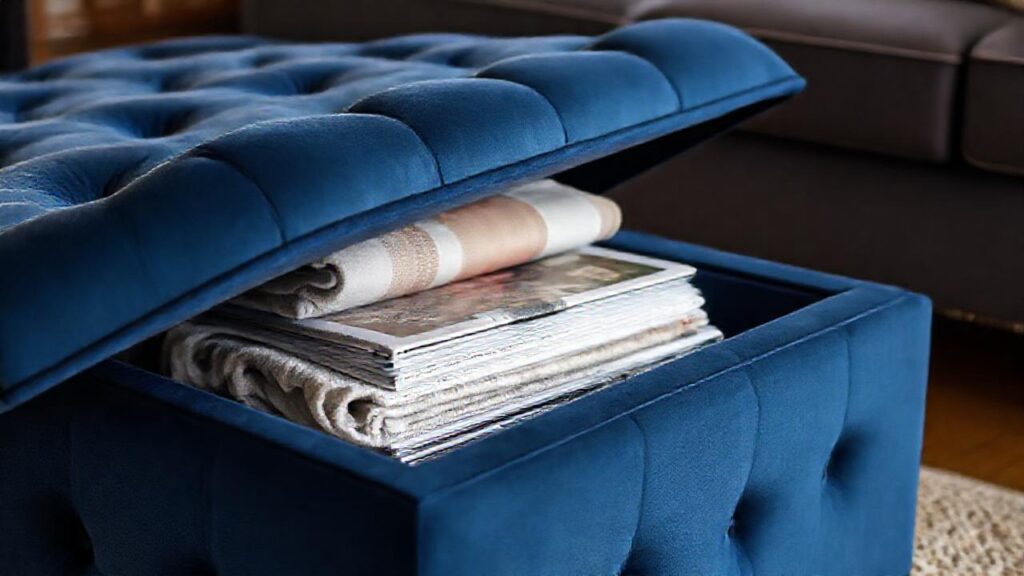
A well-made storage ottoman is a cornerstone of space saving design. It provides extra seating, a convenient footrest, and invaluable hidden storage for blankets, magazines, toys, or electronics.
- Materials Gathering: You’ll need sturdy plywood for the base and lid, foam padding, upholstery fabric, hinges, and optional casters.
- Construct the Box: Cut plywood pieces to form a rectangular or square box. Assemble the sides and bottom using wood glue and screws for a strong, durable structure.
- Create the Lid: Cut a piece of plywood for the lid, ensuring it fits snugly over the box. Attach foam padding to the top surface and secure it with fabric adhesive or staples.
- Upholstery: Drape your chosen fabric over the padded lid, pulling it taut and securing it to the underside with staples. Repeat this process for the sides of the box if desired for a fully upholstered look.
- Hinge and Hardware: Attach sturdy hinges to connect the lid to the box. Consider adding a lift-up mechanism or a soft-close hinge for added convenience and safety. If desired, attach casters to the bottom for easy mobility.
Repurposing and Upcycling: Creative Space Saving Solutions
Beyond dedicated furniture projects, creative repurposing of existing items can yield remarkable space saving benefits. This approach not only conserves resources but also infuses your home with unique character and personal history.
Floating Shelves: The Illusion of Airiness
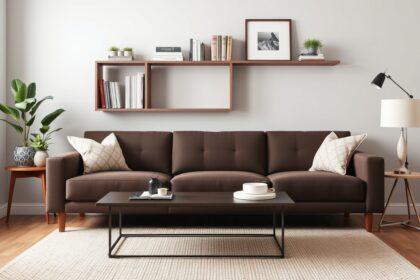
Floating shelves are a remarkably versatile space saving solution. They provide display and storage space without the visual bulk of traditional bookcases or cabinets. Mount them above doorways, in awkward corners, or as a minimalist alternative to a bedside table. Their inherent simplicity makes them appear to float, enhancing the sense of openness in a room.
Repurposed Crates and Pallets: Rustic Charm and Functionality
Wooden crates and pallets, often discarded, can be transformed into stylish and functional space saving furniture. Pallets can be stacked and modified to create shelving units, coffee tables, or even bed frames. Crates can be wall-mounted to create modular shelving or stacked to form a unique storage unit. A coat of paint or stain can elevate their appearance from utilitarian to chic.
Under-Bed Storage: Maximizing Every Inch
The space beneath your bed is often an underutilized goldmine for space saving. Investing in rolling storage bins, drawers that fit snugly under the frame, or even a bed frame with built-in storage can dramatically increase your home’s capacity for stowing away seasonal clothing, extra linens, or infrequently used items. This keeps these items out of sight and frees up valuable closet and drawer space.
Integrating Space Saving Furniture into Existing Decor
The true magic of space saving furniture lies not just in its functionality but in its ability to smoothly connect with your existing decor, enhancing rather than detracting from your home’s aesthetic. This requires a thoughtful approach to material selection, color, and scale.
Material and Color Harmony
When choosing or building space saving furniture, consider the materials and colors already present in your home. Opt for finishes that complement your existing furniture and walls. For instance, in a room with natural wood tones, unfinished or lightly stained wood for DIY projects will blend in seamlessly. In a minimalist space, sleek metal or lacquered finishes can maintain the contemporary feel. Light colors tend to make furniture appear less imposing, contributing to a more open and airy atmosphere.
Scale and Proportion: The Illusion of Space
It might seem counterintuitive, but sometimes a slightly larger, multi-functional piece can make a room feel more spacious than several smaller, single-purpose items. For example, a generous storage ottoman can replace a coffee table and several side tables, consolidating functions and reducing visual clutter. Similarly, a well-proportioned wall unit can offer more storage than a collection of disparate shelves, creating a more cohesive and streamlined look. Always measure your space and plan your furniture placement carefully to ensure optimal flow and visual balance.
Smart Storage Solutions for a Clutter-Free Haven
Beyond furniture, incorporating smart storage solutions is critical for maintaining a space saving, polished home. These often involve utilizing often-overlooked areas and employing clever organizational tools.
Utilizing Wall Space: Beyond Shelving
Wall space can be leveraged in numerous ways beyond simple shelves. Consider wall-mounted pegboards for organizing tools or craft supplies, magnetic strips for knives in the kitchen, or hanging organizers for closets and pantries. These solutions keep items off countertops and floors, contributing to a cleaner, more organized appearance.
Vertical Drawer Organizers and Dividers
Within drawers and cabinets, vertical organizers and dividers are a revelation. They allow you to store items upright, making them easier to see and access, and preventing them from becoming jumbled. This is particularly effective for items like cutting boards, baking sheets, pot lids, and even file folders.
The Power of Baskets and Bins
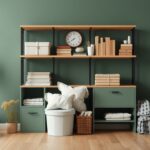
Attractive baskets and bins are essential for corralling smaller items and creating a sense of order. They can be used on open shelves, inside cabinets, or tucked away in corners to store everything from remote controls and toiletries to children’s toys. Choosing bins that are uniform in color or material can create a cohesive and visually pleasing look.
Maintaining Your Space Saving Sanctuary
Implementing space saving furniture projects is only the first step. Maintaining that polished, clutter-free environment requires ongoing effort and a commitment to mindful living.
The “One In, One Out” Rule
A simple yet effective strategy for preventing future clutter is the “one in, one out” rule. For every new item you bring into your home, commit to donating or discarding a similar item. This helps to maintain a consistent level of possessions and prevents accumulation.
Regular Decluttering Rituals
Schedule regular decluttering sessions, even if they are brief. A quick 15-minute sweep of a room each week can prevent clutter from building up. Focus on one area at a time, such as a specific drawer, shelf, or surface.
Frequently Asked Questions
What are the most impactful DIY space saving furniture projects for beginners?
For beginners, projects like building a simple storage ottoman, creating modular wall shelves from crates, or constructing under-bed storage drawers are excellent starting points. These projects typically require fewer specialized tools and offer clear, achievable results that immediately enhance functionality and organization. The key is to start with manageable steps and focus on solid construction.
How can I make my small living room feel larger using furniture?
To make a small living room feel larger, prioritize multi-functional furniture like a sofa with hidden storage or a coffee table that lifts for dining. Opt for furniture with legs to create a sense of openness beneath. Use light-colored upholstery and finishes, and consider wall-mounted units like entertainment centers or shelving to keep the floor clear. Mirrors strategically placed can also reflect light and create an illusion of more space.
Is it better to buy or build space saving furniture?
The decision between buying and building space saving furniture depends on several factors, including budget, available time, DIY skills, and specific needs. Buying offers convenience and a wide range of options, but can be expensive. Building allows for custom dimensions, unique designs, and can be more cost-effective if you have the skills and tools. For highly specialized solutions or unique aesthetic requirements, DIY often wins.
What are some common mistakes to avoid when implementing space saving solutions?
Common mistakes include over-purchasing items without a clear plan, opting for cheap, flimsy storage solutions that don’t last, and neglecting vertical space. Another pitfall is buying furniture that is too large for the room, ironically making it feel smaller. Finally, failing to regularly declutter and maintain the organization can quickly undo the benefits of any space saving project.
How can I ensure my space saving furniture remains stylish and not just functional?
Style is achieved through careful material selection, color coordination, and attention to detail. Choose finishes that align with your home’s existing aesthetic. Upholster storage ottomans or benches in fabrics that enhance your decor. For DIY projects, consider adding decorative elements like trim, interesting hardware, or a sophisticated paint finish. The goal is for the furniture to be both practical and a pleasing visual element in your space.
Final Recommendations: Cultivating a Conscious Living Space
The journey towards a polished, clutter-free home through space saving furniture projects is an ongoing evolution, not a singular event. It’s about cultivating a conscious approach to living, where every item serves a purpose and contributes to the overall harmony of your environment. Embrace the transformative power of multi-functional pieces, leverage the often-untapped potential of vertical space, and don’t shy away from the creative satisfaction of DIY solutions. Remember that true spaciousness comes not from the size of your home, but from the intentionality with which you furnish and organize it. By adopting these principles, you can create a sanctuary that not only looks impeccable but also supports a more peaceful, productive, and fulfilling life.
See also: space saving