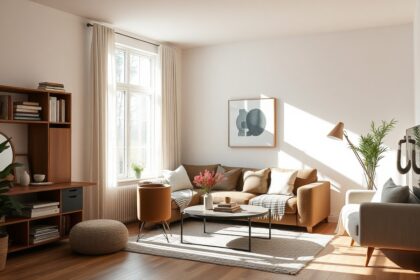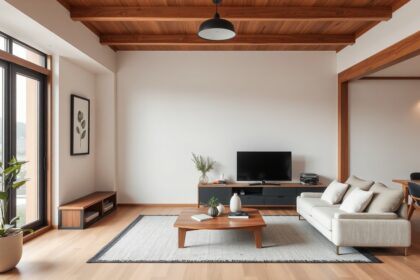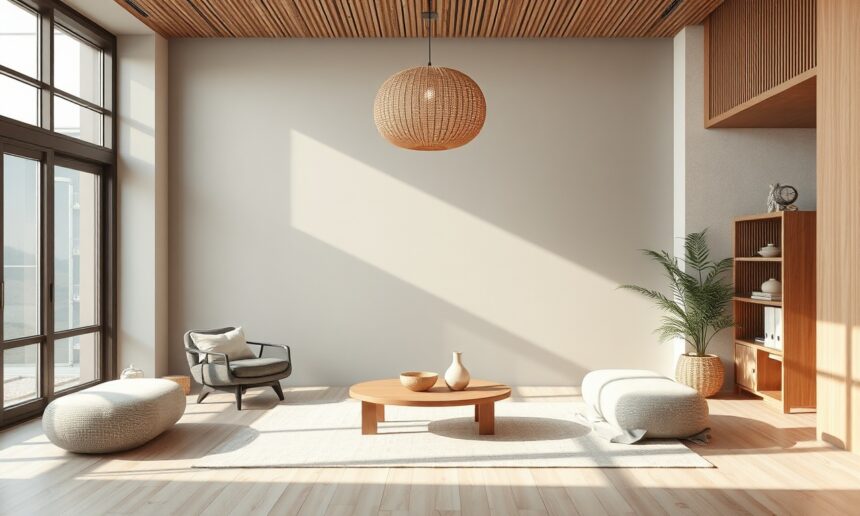
The Underrated Power of Korean Interior Design in Cultivating Calm
Korean interior design, often perceived as a niche aesthetic, is far more than just a visual trend; it’s a philosophy deeply rooted in mindfulness, functionality, and a profound connection to nature. While minimalism is a cornerstone, its true essence lies in creating a sanctuary that nurtures the soul, a stark contrast to the often chaotic and overstimulating environments many of us inhabit. It’s a deliberate cultivation of peace, where every element serves a purpose beyond mere decoration, contributing to an overall sense of harmony and well-being. This approach, which emphasizes a decluttered mind reflected in a decluttered space, has gained significant traction not just for its aesthetic appeal but for its tangible impact on mental clarity and emotional balance.
- The Underrated Power of Korean Interior Design in Cultivating Calm
- Step-by-Step Guide: Deconstructing the Korean Interior Aesthetic
- 1. Embrace the Power of a Neutral Palette and Natural Light
- 2. Prioritize Natural Materials and Textures
- 3. Embrace Simplicity and Intentionality in Furnishings
- 4. Integrate Nature Through Plants and Natural Motifs
- 5. Cultivate a Sense of Calm with Minimalist Decor
- Expert Insights for Achieving Authentic Korean Interior Design
- Case Study: Transforming a Compact Urban Apartment
- Frequently Asked Questions
- What are the key characteristics of Korean interior design?
- How can I incorporate Korean interior design principles into a small apartment?
- Is Korean interior design suitable for a family home with children?
- What kind of lighting is best for a Korean-inspired interior?
- Where can I find furniture and decor that fits the Korean interior style?
- Final Recommendations for Your Serene Space
Wikipedia: Contents — Wikipedia
The foundational principle of Korean interior design is the concept of *’madang’*, an open courtyard often found in traditional Korean houses, which serves as a central gathering space and a connection to the outdoors. While modern apartments may not have literal courtyards, the spirit of *madang* is translated through the integration of natural light, living plants, and materials that evoke the earth. This isn’t about stark, cold minimalism; it’s about a warm, inviting simplicity that encourages presence and introspection. The emphasis is on creating a fluid, breathable space where one can truly “be,” unburdened by visual noise.
The true artistry of Korean interior design lies not in what you add, but in what you thoughtfully remove, paving the way for intentional living and profound peace.
This design philosophy resonates deeply in an era where digital overload and constant connectivity can lead to burnout. By embracing Korean interior principles, individuals are actively choosing to curate an environment that supports mental resilience and emotional equilibrium. It’s a conscious decision to bring the quietude of nature indoors and to foster a sense of groundedness. This guide will illuminate the core tenets of this approach, providing a structured pathway to transforming your living space into a haven of serenity, proof of the power of deliberate design.
Understanding the Core Principles: Harmony, Nature, and Functionality
At its heart, Korean interior design is a sophisticated blend of ancient wisdom and contemporary living, prioritizing three interconnected pillars: harmony, a deep reverence for nature, and unwavering functionality. These aren’t isolated concepts but rather interwoven threads that create a cohesive and deeply resonant aesthetic. Harmony, in this context, extends beyond visual balance to encompass emotional and spiritual equilibrium. It’s about creating an environment that feels intrinsically peaceful, where the elements within a room coexist without conflict, promoting a sense of calm and centeredness. This is achieved through careful consideration of color palettes, material textures, and the overall flow of the space.
Nature is not merely an accent in Korean interiors; it is a fundamental component. This manifests in the generous use of natural materials like wood, stone, and bamboo, as well as the incorporation of natural light and abundant greenery. The aim is to blur the lines between the indoors and the outdoors, bringing the restorative qualities of the natural world into the domestic sphere. Research consistently highlights the positive psychological effects of natural elements in living spaces. For instance, studies show that exposure to natural elements in interior environments can significantly reduce stress levels and improve mood.
When it comes to Korean interior, This principle is not about ostentatious displays of flora but rather about integrating plants in a way that feels organic and enhancing, becoming living sculptures within the home.
In the context of Korean interior, Functionality is paramount, but it’s a functionality that serves the inhabitant’s well-being. This means furniture is chosen for its practicality and comfort, storage solutions are integrated seamlessly to maintain a clutter-free environment, and the layout of the space is designed for ease of movement and intuitive use. Every item, from a meticulously placed rug to a simple ceramic vase, is chosen not just for its aesthetic appeal but for its contribution to the overall livability and tranquility of the home. This is a design approach that understands that a beautiful space is also a comfortable and practical one, where daily life can unfold smoothly and without unnecessary friction.
Step-by-Step Guide: Deconstructing the Korean Interior Aesthetic
Around Korean interior, Embarking on the journey to create a Korean-inspired interior is less about adopting a rigid set of rules and more about embracing a mindful approach to your living environment. It’s a process of intentional curation, focusing on quality over quantity and a deep understanding of how space influences mood and behavior. This step-by-step guide will equip you with the actionable insights needed to infuse your home with the serene essence of Korean design, transforming it into a personal sanctuary.
1. Embrace the Power of a Neutral Palette and Natural Light
Regarding Korean interior, The foundation of any Korean-inspired interior is its color scheme. Think of a gentle sunrise or a tranquil forest floor. The dominant palette consists of soft, muted neutrals: warm whites, creamy beiges, earthy browns, and gentle grays. These colors are inherently calming and create a sense of spaciousness and light. They provide a serene backdrop that allows natural light to take center stage. Minimizing harsh contrasts and embracing subtle tonal variations is key to achieving this harmonious feel. The goal is to create visual breathability, preventing the space from feeling overwhelming or visually fatiguing.
When it comes to Korean interior, Natural light is not just illumination; it’s a vital design element. Maximize its ingress by opting for sheer, light-filtering curtains or even leaving windows unadorned where privacy allows. Large windows, if feasible, are ideal. If not, strategically placed mirrors can help to bounce light around the room, creating an illusion of greater space and brightness. The interplay of light and shadow is also important; avoid uniform, harsh lighting. Instead, consider layered lighting solutions that can be adjusted to create different moods throughout the day. This mindful approach to light transforms a functional necessity into an aesthetic asset, deeply enhancing the feeling of serenity.
In the context of Korean interior, 
2. Prioritize Natural Materials and Textures
The tactile quality of a space is as crucial as its visual appeal in Korean interior design. This is where the immersion in natural materials truly shines. Wood, in its various forms – from light oak and maple to darker walnuts – is a ubiquitous element, used for flooring, furniture, and decorative accents. Its warmth and organic grain bring an immediate sense of grounding and comfort. Stone, particularly in its raw or subtly polished forms, can add a touch of earthy solidity, perhaps as a feature wall or a countertop.
Around Korean interior, Beyond wood and stone, consider materials like bamboo for its sustainable qualities and delicate texture, linen and cotton for soft furnishings, and natural fibers like jute or sisal for rugs and baskets. These materials, with their inherent imperfections and unique grains, add depth and character to the space. The goal is to create a sensory experience that is soothing and inviting. Layering different textures – the smooth coolness of polished wood against the soft weave of a linen cushion, or the rough embrace of a natural fiber rug – adds subtle richness without introducing visual clutter. This textural interplay is vital for creating a space that feels both sophisticated and deeply comfortable.
3. Embrace Simplicity and Intentionality in Furnishings
Regarding Korean interior, The philosophy of “less is more” is not just a slogan but a guiding principle for furnishing a Korean-inspired home. Every piece of furniture should be chosen with careful consideration for its form, function, and its contribution to the overall tranquility of the space. This often translates to low-profile furniture that creates a sense of openness and connection to the floor. Think of minimalist sofas with clean lines, simple wooden benches, and low-lying tables. The emphasis is on creating an uncluttered visual field, allowing the eye to rest rather than scan.
When it comes to Korean interior, Storage solutions are ingeniously integrated to maintain this sense of order. Built-in shelving, sleek cabinets with flush doors, and multi-functional pieces that combine seating with hidden storage are highly valued. The objective is to keep surfaces clear and free from visual noise. When selecting furniture, prioritize pieces crafted from natural materials with simple, elegant designs. Avoid ornate details or excessive ornamentation. The beauty lies in the inherent quality of the materials and the thoughtful simplicity of the form. This intentionality extends to the placement of furniture, ensuring a natural flow of movement and a sense of spaciousness throughout the room.
In the context of Korean interior, 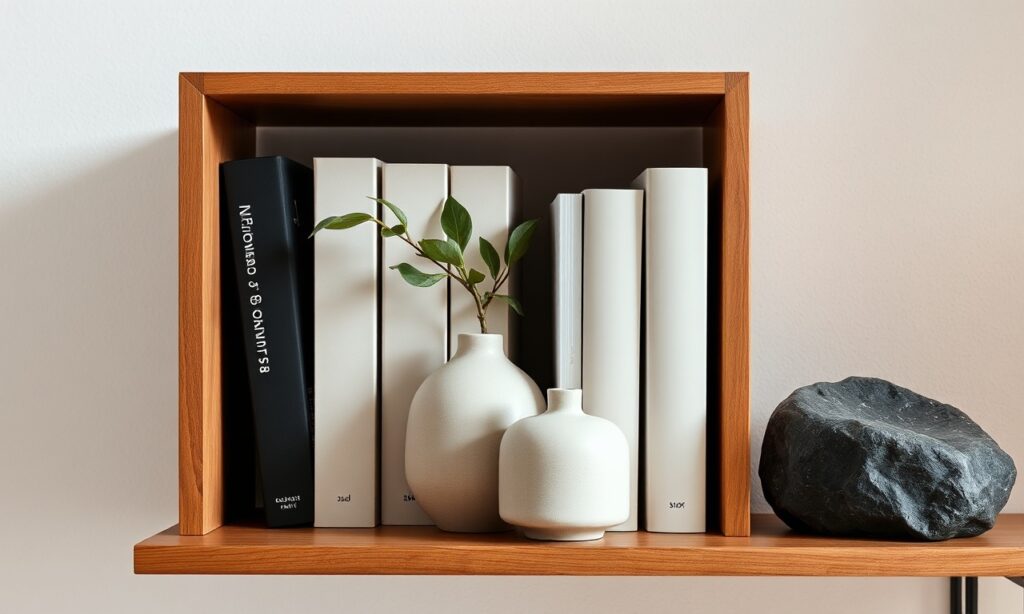
4. Integrate Nature Through Plants and Natural Motifs
The presence of living plants is a non-negotiable element in creating an authentic Korean interior. They are more than just decorative; they are living extensions of the natural world, bringing vitality, color, and a sense of peace into the home. Choose plants that thrive indoors and complement the serene aesthetic – think of elegant bamboo, resilient snake plants, or delicate ferns. Their placement should feel organic, like they’ve always belonged there, perhaps in a corner, on a windowsill, or as a minimalist centerpiece.
Around Korean interior, Beyond live plants, natural motifs can be subtly incorporated. This could be through artwork featuring landscapes or flora, textiles with subtle botanical prints, or decorative objects inspired by natural forms. Ceramic pieces, particularly those with earthy glazes and organic shapes, are also highly characteristic. The aim is to foster a continuous dialogue with nature, reminding the inhabitants of the world outside and its inherent beauty. This connection is not just aesthetic; it’s deeply psychological, contributing to a sense of well-being and grounding. The subtle integration of these elements reinforces the overarching theme of harmony and nature.
5. Cultivate a Sense of Calm with Minimalist Decor
Decor in a Korean-inspired space is about thoughtful curation, not accumulation. Each item should be chosen for its beauty, meaning, or utility, and its placement should be deliberate. Avoid filling surfaces with trinkets or unnecessary ornaments. Instead, focus on a few high-quality pieces that resonate with the overall aesthetic. This could be a piece of minimalist art, a handcrafted ceramic bowl, or a simple, elegant vase. The emphasis is on creating visual breathing room, allowing each carefully chosen item to be appreciated.
The serenity of a Korean interior is not born from emptiness, but from the intentionality with which each element is chosen and placed, creating a dialogue between form, function, and feeling.
Consider the impact of negative space – the empty areas in a room. In Korean design, negative space is as important as the objects themselves. It allows the eye to rest, enhances the perception of spaciousness, and gives prominence to the chosen decorative elements. This mindful approach to decor ensures that the space feels tranquil and unhurried, fostering an environment conducive to relaxation and introspection. It’s about creating a curated experience, where every object has a purpose and contributes to the overall sense of peace.
Expert Insights for Achieving Authentic Korean Interior Design
Achieving a truly authentic Korean interior design goes beyond simply adopting its visual cues; it requires an understanding of its underlying philosophy and a commitment to mindful living. As an expert in this field, I’ve observed that many approach this aesthetic with a superficial understanding, often mistaking minimalism for starkness. The real magic lies in the nuanced integration of elements that promote well-being and a connection to the natural world.
The concept of *’Hanok’* – traditional Korean houses – offers invaluable lessons. These homes are designed to harmonize with their surroundings, emphasizing natural ventilation, abundant light, and the use of local materials. While replicating a *Hanok* is impractical for most, embracing its principles of connection to nature and functional flow can profoundly influence modern interiors. Consider how to orient your furniture to maximize natural light, how to introduce elements that bring the outdoors in, and how to ensure easy movement throughout your living areas. This is not just about aesthetics; it’s about creating a living environment that supports your physical and mental health.
Furthermore, the Korean approach to craftsmanship is noteworthy. There is a deep respect for skilled artisans and the creation of objects that are both beautiful and durable. This translates into choosing well-made furniture and decorative items that are intended to last, rather than disposable trends. Investing in quality pieces that align with the minimalist, natural aesthetic will not only enhance the visual appeal but also contribute to a more sustainable and mindful lifestyle. This appreciation for enduring quality is a subtle yet powerful aspect of the Korean interior philosophy.
Case Study: Transforming a Compact Urban Apartment
Consider the challenge faced by many city dwellers: limited space and the constant hum of urban life. A recent project involved transforming a compact one-bedroom apartment in a bustling metropolis into a serene Korean-inspired sanctuary. The client, a young professional experiencing high levels of stress, sought a home environment that offered respite and encouraged mindfulness.
The initial space was functional but lacked warmth and a sense of calm. We began by decluttering aggressively, removing anything that didn’t serve a clear purpose or bring genuine joy. The walls were repainted in a soft, matte off-white, creating a luminous and expansive feel. The existing laminate flooring was replaced with light-colored, wide-plank engineered wood, immediately bringing warmth and a natural element.
In the living area, a low-profile modular sofa in a light grey linen fabric was chosen. A simple, round wooden coffee table replaced a bulky rectangular one, improving flow and softening the lines of the room. Storage was a key focus; custom-built, floor-to-ceiling cabinets with handleless doors were installed along one wall, smoothly connect ample storage for books, electronics, and everyday items, maintaining a clean, unbroken facade. A few carefully selected plants – a tall snake plant in a ceramic pot and a trailing Pothos on a floating shelf – were introduced to add life and color.
The bedroom embraced an even more minimalist approach. The bed frame was a simple, low wooden platform, emphasizing the connection to the floor. Soft, natural linen bedding in a muted beige tone was used. The only decorative elements were a small, handcrafted ceramic lamp on a bedside table and a single piece of abstract art featuring subtle earthy tones.
The transformation was profound. The client reported a significant reduction in stress and an improved ability to relax and focus at home. The apartment, once a source of visual noise, became a haven of peace, demonstrating how the principles of Korean interior design can be effectively applied even in the most constrained urban settings to foster well-being. This case study underscores that the essence of this design philosophy is about intentionality and creating an environment that actively supports a calmer, more mindful lifestyle, regardless of square footage.
Frequently Asked Questions
What are the key characteristics of Korean interior design?
Korean interior design is characterized by its emphasis on natural light, a neutral color palette, natural materials (wood, stone, bamboo), minimalist furnishings with clean lines, functional storage solutions, and the integration of nature through plants and natural motifs. The overall aim is to create a serene, harmonious, and uncluttered living space that promotes well-being and mindfulness.
How can I incorporate Korean interior design principles into a small apartment?
In a small apartment, focus on maximizing natural light with sheer window treatments and strategic mirror placement. Opt for low-profile, multi-functional furniture that doesn’t overwhelm the space. Utilize integrated storage solutions like built-in cabinets or floating shelves to maintain a clutter-free environment. Choose a predominantly neutral color palette to enhance the sense of spaciousness and introduce nature through smaller potted plants or natural-themed artwork. Prioritize intentionality; select only a few key decorative items that add value and meaning.
Is Korean interior design suitable for a family home with children?
Absolutely. While the aesthetic leans towards minimalism, it can be adapted for families. The key is to balance the serene principles with practical needs. Opt for durable, natural materials that are easy to clean. Consider multifunctional furniture that offers ample hidden storage to keep toys and children’s items organized and out of sight. Introduce playful elements through textiles or artwork that still align with the natural color palette. The core principles of creating a calm, functional, and nature-connected space are beneficial for all family members, promoting a more peaceful home environment.
What kind of lighting is best for a Korean-inspired interior?
The best lighting for a Korean-inspired interior is layered and natural. Maximize natural light during the day through large windows and light-filtering curtains. In the evening, opt for soft, warm ambient lighting. This can be achieved with floor lamps, table lamps with natural fiber shades, and perhaps wall sconces that cast a gentle glow. Avoid harsh overhead lighting. Consider dimmable options to adjust the mood throughout the day and evening, creating a cozy and inviting atmosphere.
Where can I find furniture and decor that fits the Korean interior style?
Look for furniture made from solid wood with simple, clean lines. Brands that focus on sustainable materials and minimalist design are often a good starting point. Online retailers specializing in Scandinavian or Japanese design often carry pieces that align well with Korean aesthetics due to shared principles of minimalism and natural materials. For decorative items, explore artisanal craft markets, local pottery studios, or online marketplaces that feature handcrafted ceramics, natural fiber textiles, and minimalist art. Always prioritize quality and timeless design over fleeting trends.
Final Recommendations for Your Serene Space
Creating a Korean-inspired interior is an ongoing journey of mindful living, not a destination. It’s about cultivating an environment that reflects your inner state and supports your pursuit of peace and well-being. As you integrate these principles, remember that authenticity lies in intention. Every choice, from the color of your walls to the texture of your rug, contributes to the narrative of your home. Embrace the simplicity, honor the natural world, and allow your space to become a true sanctuary. The profound impact of a thoughtfully designed, serene environment on your daily life is immeasurable, offering a consistent source of calm in an often-hectic world.
See also: Korean interior