The Silent Symphony of a Clutter-Free Space
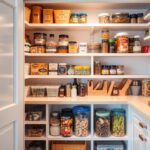
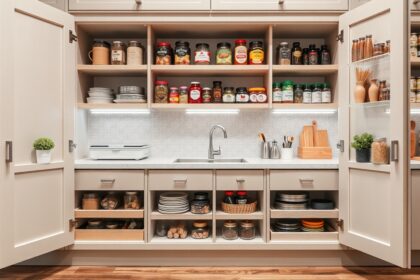
Picture this: You open your pantry, and instead of a cascading avalanche of cans and boxes, you’re greeted by neat rows of organized provisions. Or imagine a home office where every pen, paperclip, and document has its designated spot, fostering an environment of calm productivity. This isn’t a distant dream reserved for interior design magazines; it’s the tangible reality unlocked by ingenious DIY storage solutions. For many, the concept of decluttering and organizing can feel overwhelming, a Sisyphean task against the relentless tide of accumulated possessions. However, the true magic of DIY storage lies not just in its ability to contain our belongings, but in its transformative power to reshape our living spaces and, consequently, our mental landscapes.
- The Silent Symphony of a Clutter-Free Space
- The Core Philosophy: Adaptability and Intentionality
- Cost-Effectiveness and Resourcefulness: The Economic Advantage
- Unleashing Creativity: Beyond Utilitarianism
- Space Optimization: Making Every Inch Count
- Practical Scenarios: DIY Storage in Action
- The Psychological Impact: More Than Just Tidiness
- Expert Insights and Cautions
- The Future of Organized Living: Integration and Sustainability
- Frequently Asked Questions
- What are the most common materials used for DIY storage?
- How can I make my DIY storage solutions look more professional?
- What are the benefits of DIY storage over store-bought options?
- How can I ensure my DIY storage is sturdy and safe?
- What are some good DIY storage ideas for small kitchens?
- Final Recommendations
These aren’t mere organizational tactics; they are intelligent, adaptable systems born from necessity and creativity, offering a profound sense of control and serenity.
The most powerful tool in organization isn’t a fancy container; it’s the intentionality behind its placement and purpose.
The modern home, particularly in urban environments, often battles with spatial constraints. The desire for a minimalist aesthetic clashes with the reality of modern living, which necessitates the storage of an ever-increasing array of items, from electronics and hobby equipment to children’s toys and seasonal attire. This is where the brilliance of DIY storage truly shines. Unlike mass-produced, one-size-fits-all solutions that can be both expensive and inflexible, DIY approaches offer unparalleled adaptability. They empower individuals to tailor storage to their specific needs, the unique dimensions of their homes, and their personal aesthetic preferences. This article explores what makes these practical, often surprisingly simple, DIY storage solutions so impactful, showcasing their remarkable effects.
Key Takeaways:
- DIY storage transcends mere organization; it’s about creating adaptable, personalized systems that maximize space and foster mental clarity.
- The true value of DIY storage lies in its cost-effectiveness, flexibility, and the empowerment it offers to tailor solutions to individual needs and spaces.
- Successful DIY storage integrates seamlessly into a home’s aesthetic, proving that functionality need not sacrifice style.
- Beyond physical organization, DIY storage hacks contribute significantly to a sense of control, reduced stress, and enhanced well-being.
The Core Philosophy: Adaptability and Intentionality
At its heart, DIY storage is driven by a fundamental philosophy: adaptability and intentionality. Unlike pre-fabricated units designed for a generic market, DIY solutions are born from a direct engagement with a specific problem. Someone needs to store their extensive book collection in a small apartment living room, or perhaps a family needs a designated, accessible spot for muddy boots and sports gear by the entryway. The DIY approach begins with observing the need, assessing the available space, and then devising a solution that fits precisely. This iterative process of problem-solving is inherently more effective than attempting to force existing storage systems onto a unique situation.
Consider the common issue of awkward, unused spaces – the nook under the stairs, the sliver of wall beside a doorway, the dead corner in a bedroom. These are precisely the areas where off-the-shelf solutions often fail, but where DIY ingenuity can transform wasted space into valuable storage real estate.
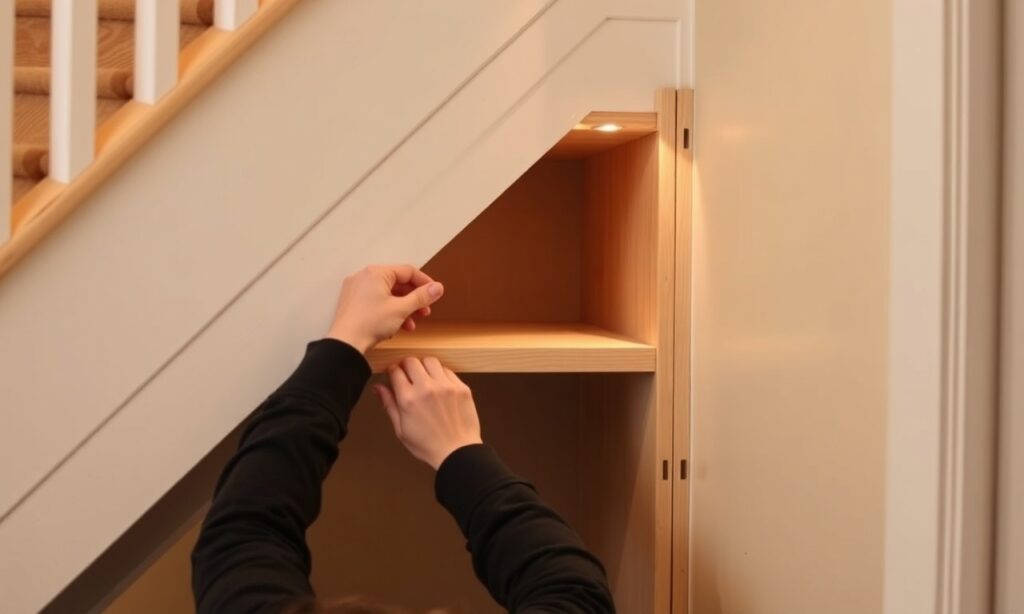
The intentionality aspect is equally crucial. When you build or adapt a storage system yourself, you are inherently more mindful of its purpose. Each shelf, each drawer, each compartment is conceived with a specific function in mind. This prevents the common pitfall of simply accumulating more “storage” without a clear plan, leading to cluttered storage spaces. Research has shown that clutter can negatively impact attention and cognitive performance, essentially making our brains work harder to filter out irrelevant information. Therefore, intentional DIY storage isn’t just about tidiness; it’s a strategic approach to optimizing our cognitive environment. Studies have also linked physical clutter to increased levels of the stress hormone cortisol, highlighting the psychological benefits of an organized living space.
Cost-Effectiveness and Resourcefulness: The Economic Advantage
One of the most compelling aspects of DIY storage is its inherent cost-effectiveness. While the initial investment in materials for a DIY project might seem comparable to a cheap store-bought organizer, the long-term value and customization far outweigh the difference. Furthermore, DIY often encourages resourcefulness, tapping into materials that might otherwise be discarded. Upcycling old furniture, repurposing shipping crates, or transforming forgotten household items into functional storage units are hallmarks of the DIY ethos. This not only saves money but also contributes to a more sustainable lifestyle, reducing waste and the demand for new manufacturing.
For instance, a bespoke bookshelf unit designed to fit a specific alcove might cost significantly more when purchased from a furniture store than the materials needed to build it from reclaimed wood or budget-friendly plywood. Similarly, clever drawer dividers can be fashioned from sturdy cardboard or thin wood scraps, a fraction of the cost of specialized inserts. The ability to adapt and upgrade these solutions over time also adds to their economic appeal. If your storage needs change, you can often modify your DIY creation rather than needing to purchase an entirely new unit. This iterative improvement cycle is a luxury rarely afforded by mass-produced items.
Unleashing Creativity: Beyond Utilitarianism
The concept of DIY storage extends far beyond mere utility; it is a powerful avenue for unleashing creativity. These projects offer a canvas for personal expression, allowing individuals to inject their unique style and personality into their living spaces. Whether it’s painting a repurposed cabinet in a bold color, adding decorative hardware to a wooden crate, or designing a unique pegboard system for a craft room, the possibilities are virtually limitless. This creative engagement can be incredibly rewarding, turning a mundane organizational task into an enjoyable, fulfilling activity.
Think about a child’s playroom. Instead of generic plastic bins, a parent might construct colorful, themed toy chests that double as decorative elements. Or consider a small kitchen where open shelving can be enhanced with custom-painted backsplashes or unique pot racks. These touches elevate storage from a purely functional necessity to an integral part of the home’s décor. Furthermore, the process of creation itself can be therapeutic. The tactile experience of working with materials, the problem-solving involved, and the satisfaction of bringing a vision to life can contribute to a sense of accomplishment and well-being. This is a stark contrast to the often passive experience of purchasing and assembling pre-made items.
Space Optimization: Making Every Inch Count
Perhaps the most significant impact of DIY storage is its unparalleled ability to optimize space, especially in smaller living areas. The genius lies in the ability to design solutions that perfectly fit awkward or underutilized areas. This is where the “breakthrough” aspect truly materializes. Standard furniture and storage units are designed with typical dimensions in mind, often leaving gaps or failing to account for unique architectural features. DIY projects, however, can be tailored precisely.
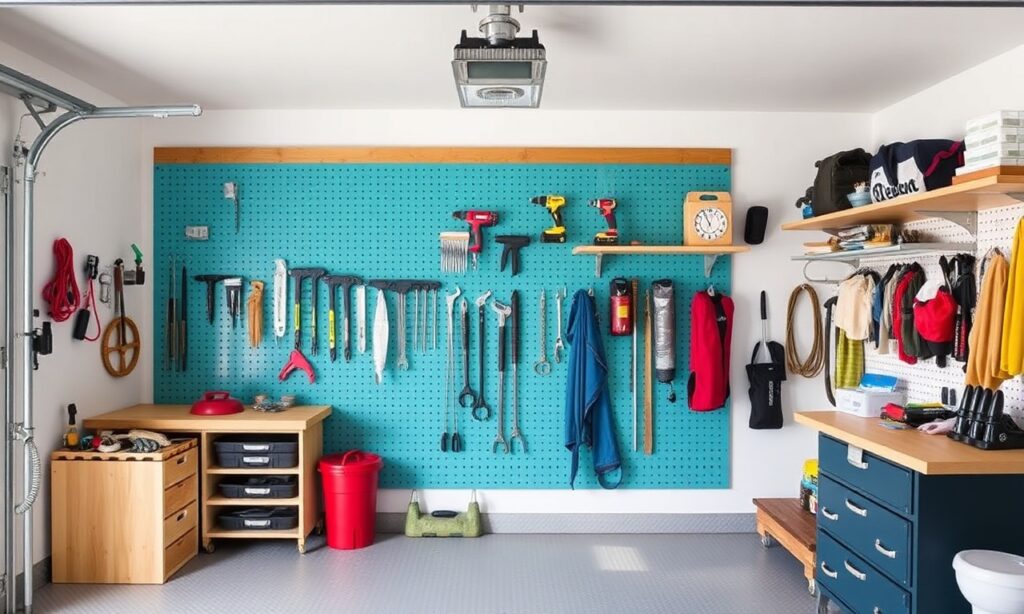
Consider the space beneath a bed. While standard under-bed storage boxes exist, a DIY project could involve building shallow, custom-fit drawers that glide smoothly on runners, maximizing every inch of that often-neglected volume. Another common challenge is the vertical space in closets. Instead of settling for a single hanging rod and a few shelves, DIYers can construct multi-tiered shelving systems, hanging organizers with specialized compartments, or even pull-out drawers that double the usable space. The clever use of wall-mounted systems, such as custom pegboards for kitchens or garages, or wall-mounted shelving units in living rooms, can free up floor space, making rooms feel larger and more open.
This meticulous attention to detail in maximizing every cubic inch is a hallmark of effective DIY storage.
Practical Scenarios: DIY Storage in Action
To truly appreciate the power of DIY storage, let’s examine a few practical scenarios:
The Small Apartment Kitchen
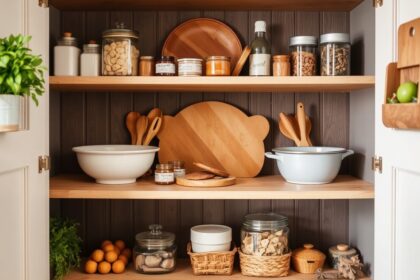
In a compact kitchen, counter space is premium. A DIY solution could involve mounting a narrow, tiered spice rack on the backsplash or inside a cabinet door. Repurposing old wine crates can create modular shelving for pantry items, easily stacked and rearranged. Even simple magnetic strips mounted inside cabinet doors can hold knives or small metal utensils, freeing up drawer space. The key is to think vertically and utilize often-overlooked surfaces.
The Busy Family Entryway
A chaotic entryway is a common pain point. Instead of a jumble of shoes and bags, a DIY project could involve building a bench with integrated shoe storage beneath, perhaps with cubbies for individual family members. Wall-mounted coat hooks can be augmented with a custom-built shelf above for hats, gloves, and mail. A repurposed wooden ladder can be mounted horizontally to serve as a unique and stylish boot rack. This transforms a point of entry frustration into a functional and welcoming zone.
The Home Office Workflow
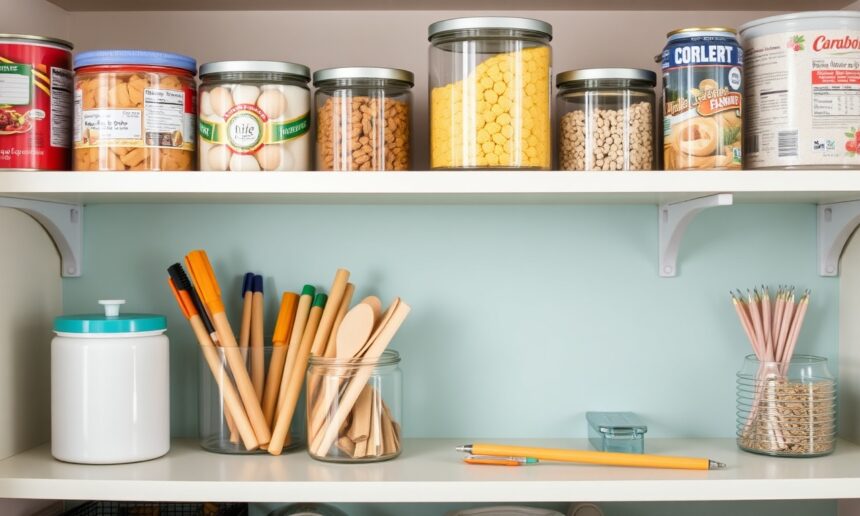
For those working from home, a well-organized office is crucial for productivity. Instead of relying on bulky filing cabinets, DIYers can create wall-mounted systems using pegboards and custom shelves for stationery, chargers, and frequently used items. Repurposed mason jars or tins can serve as stylish desk organizers for pens, clips, and erasers. A simple DIY cable management system can declutter unsightly wires, contributing to a cleaner and more focused workspace. The ability to customize the layout of these elements to suit individual workflow patterns is where DIY truly excels.
The Psychological Impact: More Than Just Tidiness
The benefits of DIY storage extend far beyond the physical realm, impacting our psychological well-being in profound ways. The act of organizing and decluttering, especially through a hands-on, creative process, can be incredibly cathartic. It provides a tangible sense of control over our environment, which can be particularly comforting in uncertain times. As mentioned earlier, research consistently links clutter to increased stress and anxiety. Conversely, an organized space fosters a sense of calm and order.
Studies have found that cortisol levels (a stress hormone) can decrease when homes are less cluttered. This suggests a direct physiological benefit to organized living. When you undertake a DIY storage project, you are not just tidying up; you are actively creating an environment that supports your mental health. The satisfaction of completing a project, the beauty of the functional outcome, and the ongoing ease of maintaining an organized space all contribute to a greater sense of peace and accomplishment. This empowerment, derived from actively shaping one’s surroundings, is a crucial, often overlooked, aspect of why DIY storage is so effective.
Expert Insights and Cautions
When embarking on DIY storage projects, it’s easy to get carried away with ambitious plans. However, it’s crucial to maintain a realistic perspective. Not every project needs to be a complex carpentry endeavor. Sometimes, the most impactful solutions are the simplest adaptations of existing items. For instance, adding dividers to existing drawers, using stackable containers, or employing wall-mounted hooks can achieve significant organizational gains with minimal effort and cost.
Furthermore, consider the materials you use. While upcycling is commendable, ensure that materials are structurally sound and free from contaminants, especially if storing food or personal items. For items that will bear significant weight, such as books or heavy appliances, ensure the DIY structure is robust enough to handle the load safely. Over-engineering can be as problematic as under-engineering; aim for a balance of strength, functionality, and aesthetic appeal.
The Future of Organized Living: Integration and Sustainability
The evolution of DIY storage is increasingly leaning towards integration and sustainability. This means creating solutions that not only serve their primary purpose but also blend seamlessly with the home’s overall design, and utilizing eco-friendly materials and practices. Think of modular systems that can be reconfigured as needs change, or storage units built from recycled plastics, sustainable bamboo, or reclaimed wood.
The trend towards smart homes also presents new opportunities for DIY storage. Imagine integrating charging stations discreetly into shelving units or creating custom enclosures for smart home hubs that also provide additional storage. The emphasis is on creating systems that are not only practical and beautiful but also contribute to a more conscious and sustainable way of living. This holistic approach to organization, where storage is viewed as an integral part of a well-designed, mindful home, is what truly defines the impactful nature of effective DIY storage. The capacity to adapt, create, and integrate makes these solutions perpetually relevant and significant.
Frequently Asked Questions
What are the most common materials used for DIY storage?
The beauty of DIY storage lies in its versatility regarding materials. Common and effective choices include plywood and MDF for sturdy shelving and cabinets, reclaimed wood for a rustic aesthetic, cardboard for lighter-duty organizers and dividers, plastic containers that can be repurposed or customized, and even fabric for hanging organizers or soft storage bins. Metal, such as wire shelving or pegboard systems, is also popular for garage and workshop applications due to its durability.
How can I make my DIY storage solutions look more professional?
Achieving a professional look often comes down to attention to detail and finishing touches. This includes sanding wood surfaces smooth before painting or staining, using quality hardware like drawer pulls and hinges, ensuring clean and precise cuts, and applying consistent finishes. Painting or staining all elements of a storage system in a cohesive color palette can also create a unified, polished appearance. For a truly professional finish, consider using edge banding on plywood or laminating surfaces.
What are the benefits of DIY storage over store-bought options?
The primary benefits are customization and cost-effectiveness. DIY storage allows you to create solutions perfectly tailored to your specific space and needs, something often impossible with generic store-bought items. You can utilize awkward corners, match existing décor precisely, and adapt dimensions to the inch. Furthermore, by sourcing materials and building yourself, you can often achieve higher quality and more robust solutions for a fraction of the cost of custom furniture. DIY also offers the satisfaction of a hands-on project and the opportunity for creativity.
How can I ensure my DIY storage is sturdy and safe?
Sturdiness and safety are paramount. Always use appropriate joinery techniques for the materials you are working with – screws and wood glue are fundamental for wood construction. For shelves, ensure adequate support and consider the weight capacity of the materials and fasteners. For wall-mounted units, use wall anchors or mount directly into studs for maximum stability. If building furniture that needs to support significant weight, such as a bench or a bookshelf, ensure the design is structurally sound and tested before full use.
What are some good DIY storage ideas for small kitchens?
Small kitchens benefit immensely from vertical and multi-functional storage. Consider installing extra shelves above existing cabinets, creating a magnetic knife strip on the wall, using tension rods to create dividers within cabinets or under the sink, or repurposing tiered fruit baskets for pantry items. Wall-mounted pot racks or magnetic spice racks can free up valuable counter and drawer space. Even simple additions like drawer organizers made from cardboard can make a significant difference.
Final Recommendations
Embracing DIY storage is more than just a trend; it’s a practical, empowering approach to transforming your living space. The true impact lies in its inherent flexibility, cost-effectiveness, and the profound psychological benefits of creating an organized, personalized environment. Start small, identify a specific pain point in your home, and experiment with a simple DIY solution. Whether it’s a set of custom drawer dividers or a wall-mounted organizer for your entryway, the process of creating something functional and beautiful for yourself is incredibly rewarding. Remember that the goal isn’t perfection, but progress. By thoughtfully applying these principles, you can unlock a more serene, functional, and visually appealing home, one clever DIY storage hack at a time.
See also: DIY Storage