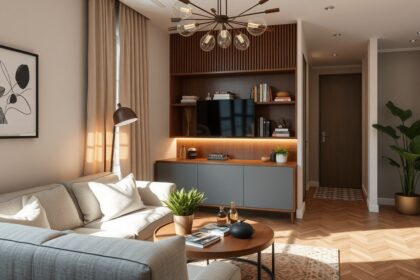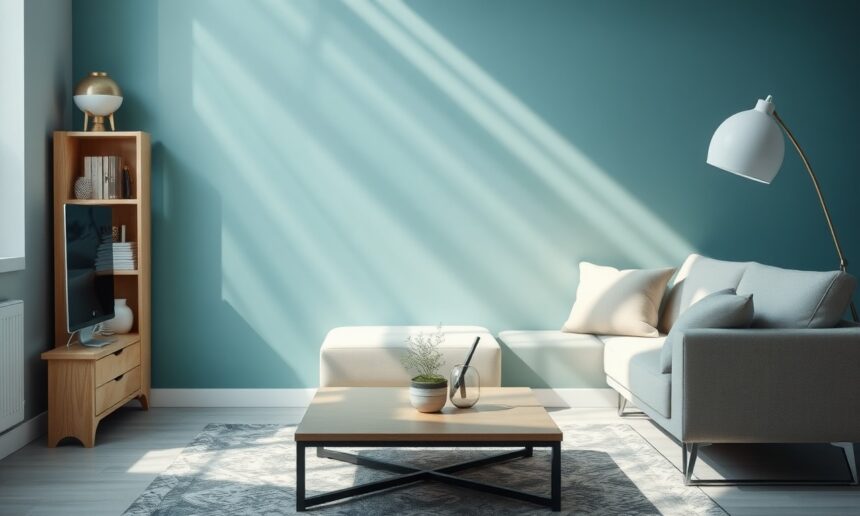
The Silent Struggle Against Space Limitations
The scent of freshly brewed coffee, the morning sunbeams illuminating dust motes dancing in the air – these are moments of quiet pleasure. Yet, for many, this serenity is overshadowed by a relentless, creeping adversary: clutter. It’s a modern epidemic, born from diminishing square footage and the relentless accumulation of possessions. We yearn for open spaces, for rooms that breathe, but often find ourselves navigating narrow pathways between towering piles of things, a constant hum of domestic chaos. This isn’t merely an aesthetic problem; it’s a psychological one. A cluttered environment can significantly impact our mental well-being, contributing to stress, anxiety, and a diminished sense of control.
- The Silent Struggle Against Space Limitations
- The Philosophy of Space Saving: More Than Just Furniture
- Innovations in Space Saving Furniture: Where Form Meets Function
- The Magic of Multi-Functional Marvels
- Verticality as a Design Principle
- Transformable and Modular Designs
- Hidden Storage: The Art of Concealment
- Smart Design Strategies for a Clutter-Free Home
- The Power of Visual Tricks
- Embracing Minimalism and Decluttering
- The Importance of Zones
- Wall-Mounted Everything
- Specific Space Saving Furniture Examples and Their Benefits
- Sofa Beds: The Dual-Purpose Powerhouse
- Nesting Tables: Versatility in Layers
- Storage Beds: Beneath the Surface Savings
- Wall-Mounted Desks and Shelving: Going Vertical
- Extendable and Foldable Tables: Dining Flexibility
- ⚠️ Pro-Caution Pro-Caution: The Pitfalls of Over-Optimization
- Integrating Space Saving into Your Home’s Aesthetic
- Minimalist and Scandinavian Influences
- Bohemian and Eclectic Adaptations
- Modern and Contemporary Solutions
- Frequently Asked Questions
- What is the most effective space saving furniture for a small bedroom?
- How can I make a studio apartment feel larger using space saving techniques?
- Are space saving furniture pieces generally durable?
- What are some budget-friendly space saving ideas for renters?
- How do I balance the need for space saving with comfort and aesthetics?
- Final Recommendations: Cultivating a Clutter-Free Lifestyle
Wikipedia: Contents — Wikipedia
The sheer visual noise can be exhausting, draining our cognitive resources and making it harder to focus, relax, or even entertain guests with confidence. This pervasive challenge has spurred a revolution in home design and furnishing, giving rise to the ingenious world of space saving solutions.
The true luxury of a home is not its size, but the serenity it affords. Space saving isn’t about deprivation; it’s about intelligent curation and maximizing potential.
The quest for a more organized and tranquil living environment has never been more pronounced. As urban populations swell and living spaces contract, the demand for furniture and design strategies that can adapt to these constraints has skyrocketed. We’re not just looking for storage; we’re seeking integrated, elegant solutions that enhance both functionality and the aesthetic appeal of our homes. This article explores the multifaceted world of space saving furniture and design principles, offering a comprehensive guide to reclaiming your living areas and cultivating a sense of calm and order. We’ll explore innovative designs, clever materials, and overarching philosophies that underpin a clutter-free lifestyle, moving beyond mere storage hacks to embrace a holistic approach to harmonious living.
The Philosophy of Space Saving: More Than Just Furniture
At its core, space saving is not solely about acquiring furniture that folds or tucks away. It’s a mindset, a conscious decision to prioritize utility, flexibility, and intentionality in our living spaces. It’s about understanding that every square foot is precious and deserves to be utilized with purpose. This philosophy emphasizes a move away from passive accumulation towards active curation. It encourages us to question the necessity of every item, to consider its dual purpose, and to design our homes not just as repositories for our belongings, but as dynamic environments that support our well-being and daily routines.
The principle of “less is more” finds its practical application here, not as an ascetic ideal, but as a pragmatic approach to creating more livable, breathable spaces.
This philosophy is deeply rooted in the understanding that our physical environment profoundly influences our mental state. Research suggests that cluttered environments are associated with increased levels of cortisol, the stress hormone. Conversely, organized spaces can promote feelings of calm and control. Therefore, embracing space saving solutions is an investment in our mental health and overall quality of life. It’s about creating a sanctuary, a place where we can retreat from the external world and find peace and rejuvenation. This often involves a shift in perspective, viewing furniture not just as static objects, but as adaptable components of a living system.
Innovations in Space Saving Furniture: Where Form Meets Function
The furniture industry has responded with remarkable ingenuity to the growing need for space saving solutions. Gone are the days when multi-functional furniture meant clunky, aesthetically compromised pieces. Today, designers are blending cutting-edge materials, smart engineering, and sophisticated aesthetics to create furniture that is as beautiful as it is practical. From transformable tables to hidden storage units, the market is brimming with options designed to maximize utility without sacrificing style.
The Magic of Multi-Functional Marvels
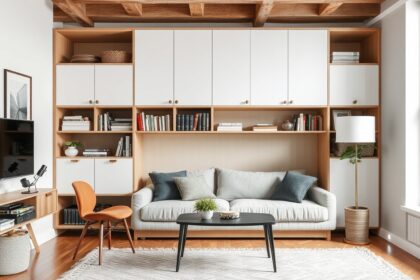
Multi-functional furniture is the cornerstone of any space saving strategy. These pieces are designed to serve multiple purposes, adapting to your needs throughout the day or week. Think of ottomans that conceal significant storage, sofa beds that seamlessly transition from seating to sleeping quarters, or coffee tables that can be raised to dining height. These are essential tools for optimizing small living areas. For instance, a wall bed, often referred to as a Murphy bed, can completely disappear into a cabinet during the day, freeing up valuable floor space that can then be used for a home office or a living area. The engineering behind these systems has become incredibly sophisticated, ensuring smooth operation and robust durability.
Verticality as a Design Principle
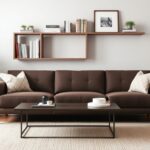
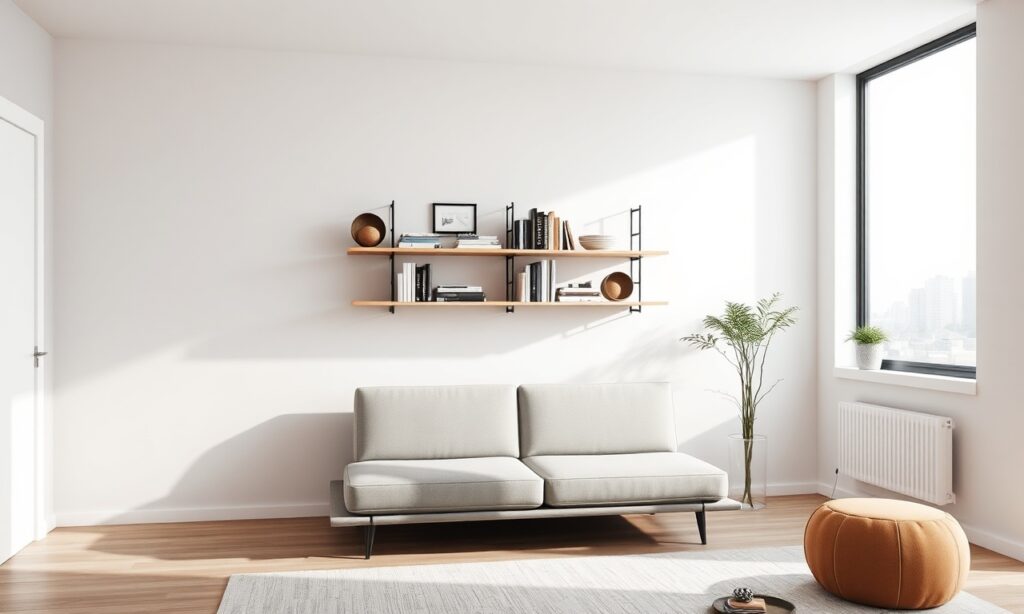
When floor space is limited, the natural inclination is to look upwards. Vertical space saving solutions are highly effective. This includes tall, slender shelving units, wall-mounted cabinets, and even loft beds with integrated desks or storage beneath. Utilizing vertical space not only adds storage capacity but also draws the eye upward, creating a sense of spaciousness and height in a room. Floating shelves, for example, offer a minimalist way to display decor or store books without the visual bulk of traditional bookcases. The key is to ensure these vertical elements are securely mounted and balanced, and that their design complements the overall aesthetic of the room.
Transformable and Modular Designs
The concept of transformable furniture takes space saving to a new level. These are pieces that can physically change their form or configuration. Extendable dining tables are a classic example, allowing you to host a large dinner party and then shrink the table back down for everyday use. Modular furniture systems offer unparalleled flexibility. You can rearrange and reconfigure modular sofas, shelving units, or even bed frames to suit your changing needs and the layout of your space. This adaptability is crucial for long-term space saving, as it means your furniture can evolve with your lifestyle.
Recent studies suggest that modular furniture can significantly improve the perceived usability and adaptability of smaller living spaces, fostering a sense of empowerment for residents.
Hidden Storage: The Art of Concealment
Effective space saving often relies on the art of concealment. Furniture with integrated storage is paramount. This can range from beds with drawers underneath to dining chairs that lift to reveal storage compartments. Even seemingly simple pieces like storage benches or footstools can provide substantial hidden capacity. The goal is to make storage disappear into the furniture itself, so that the room doesn’t feel like it’s overflowing with storage solutions. Consider built-in wardrobes that seamlessly blend with the wall, or headboards with integrated shelving. These solutions prevent the visual clutter that often accompanies traditional storage methods.
Smart Design Strategies for a Clutter-Free Home
Beyond furniture, adopting specific design strategies can dramatically enhance the space saving potential of any home. These are often subtle yet impactful changes that create a sense of order and openness.
The Power of Visual Tricks
Clever visual tricks can make a small space feel larger. Using mirrors strategically can reflect light and create an illusion of depth. Opting for furniture with legs rather than solid bases can make the floor appear more continuous, contributing to a sense of openness. Light-colored walls and furniture can also make a room feel airier. Another effective technique is to maintain a consistent color palette throughout the space, which can create a cohesive flow and prevent the room from feeling fragmented. Interior design principles note that the strategic use of reflective surfaces can increase the perceived size of a room.
Embracing Minimalism and Decluttering
The most effective space saving strategy is often the simplest: declutter. Regularly purging unnecessary items is crucial. Embrace the philosophy of owning fewer, higher-quality items that serve a purpose or bring genuine joy. Consider methods that encourage individuals to keep only those items that “spark joy.” This mindful approach to possessions naturally leads to less clutter and, consequently, more available space. Regularly reassess your belongings and be ruthless in discarding what you no longer need or use.
A cluttered mind often resides in a cluttered home. The act of decluttering your space is, in essence, an act of decluttering your mind.
The Importance of Zones
Even in a small apartment, creating distinct zones for different activities can enhance functionality and the feeling of order. Use rugs to define living areas, a small desk area for work, and a designated spot for dining. This visual segmentation helps to organize the space and prevent it from feeling like one large, undifferentiated room. For example, a simple room divider or a strategically placed bookshelf can effectively delineate a home office area within a larger living space, providing both visual separation and additional storage.
Wall-Mounted Everything
When floor space is at a premium, looking to the walls is an obvious yet often underutilized space saving tactic. Wall-mounted televisions, shelves, desks, and even lighting can free up significant floor area. Floating shelves are particularly versatile, offering a clean and modern way to display items or store books without occupying valuable floor space. Wall-mounted furniture also makes cleaning easier, as there are fewer nooks and crannies for dust to accumulate. Consider installing wall-mounted organizers in kitchens, bathrooms, and entryways for maximum efficiency.
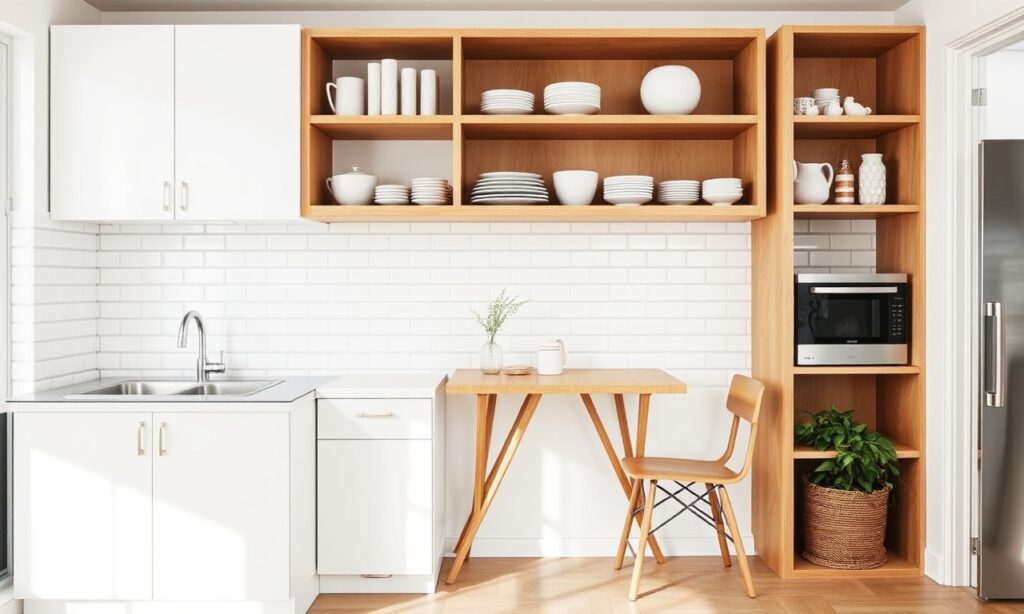
Specific Space Saving Furniture Examples and Their Benefits
We examine some specific types of space saving furniture and the unique benefits they offer.
Sofa Beds: The Dual-Purpose Powerhouse
A sofa bed is a classic space saving solution, particularly valuable for studio apartments or homes that frequently host overnight guests. Modern sofa beds have come a long way from their often-uncomfortable predecessors. Today, you can find incredibly stylish and comfortable options that function perfectly as a sofa during the day and transform into a supportive bed at night.
- Benefits:
- Maximizes Room Utility: A single piece of furniture serves as both seating and sleeping accommodation.
- Ideal for Guest Rooms/Studios: Essential for maximizing living space when hosting visitors or in smaller living situations.
- Variety of Styles: Available in numerous designs, from sleek modern to more traditional aesthetics, ensuring it complements your decor.
- Integrated Storage Options: Many models include hidden storage for bedding.
Nesting Tables: Versatility in Layers
Nesting tables are a set of tables of decreasing size, designed to fit one underneath the other. This allows you to use them individually when needed (e.g., for serving drinks or placing a laptop) and then stack them neatly away to save space.
- Benefits:
- Adaptable Surface Area: Provides extra surface space only when required.
- Compact Storage: When not in use, they occupy minimal floor space.
- Aesthetic Appeal: Often designed as stylish accent pieces that can enhance a room’s decor.
- Multi-Purpose: Can be used as side tables, coffee tables, or even small dining surfaces.
Storage Beds: Beneath the Surface Savings
Beds with integrated storage, such as drawers or lift-up mechanisms, are a brilliant way to utilize the often-unused space beneath your mattress. This is particularly useful for storing linens, seasonal clothing, or other items you don’t need daily access to.
- Benefits:
- Discreet Storage: Keeps items out of sight, reducing visual clutter.
- High Storage Capacity: Can hold a significant amount of belongings.
- Replaces Other Storage Furniture: May eliminate the need for a separate dresser or chest of drawers, saving floor space.
- Keeps Items Accessible: Unlike items stored in a closet, they are readily available when needed.
Wall-Mounted Desks and Shelving: Going Vertical
For those who need a dedicated workspace but have limited floor area, wall-mounted desks are an excellent solution. These can often fold down when not in use, disappearing flush against the wall. Similarly, wall-mounted shelving units offer a clean and efficient way to store books, decor, or essentials.
- Benefits:
- Frees Up Floor Space: Ideal for small rooms or multi-purpose areas.
- Creates Designated Zones: Helps to visually separate work areas from living spaces.
- Customizable: Available in various sizes and configurations to suit specific needs.
- Modern Aesthetic: Often features sleek, minimalist designs that enhance a room’s decor.
Extendable and Foldable Tables: Dining Flexibility
Dining tables that can extend or fold away are indispensable for smaller dining areas or multi-functional rooms. Extendable tables can grow to accommodate more guests, while foldable or drop-leaf tables can be tucked against a wall when not in use, creating more open space.
- Benefits:
- Accommodates Varying Needs: Easily adjusts to suit the number of diners.
- Space Efficiency: Folds away to maximize floor space when not in use.
- Versatile Usage: Can serve as a workspace or crafting table when not used for dining.
- Cost-Effective: Often a more economical solution than dedicated dining rooms in smaller homes.
⚠️ Pro-Caution
Pro-Caution: The Pitfalls of Over-Optimization
While the allure of space saving solutions is strong, it’s crucial to avoid over-optimization. Cramming too much functional furniture into a small space can inadvertently lead to a feeling of being constricted, rather than liberated. The goal is to create a harmonious balance between utility and comfort. Overly complex folding mechanisms can become frustrating over time, and too many hidden compartments can lead to forgotten items and new forms of clutter. Always prioritize ease of use and a sense of breathing room. Remember, a truly livable space should feel inviting and relaxing, not like a meticulously engineered puzzle.
Integrating Space Saving into Your Home’s Aesthetic
Space saving furniture doesn’t have to look utilitarian. Many designers are now creating pieces that are as much about form as they are about function, smoothly connect into a variety of interior design styles.
Minimalist and Scandinavian Influences
The minimalist and Scandinavian design movements are natural allies of space saving. These styles emphasize clean lines, natural materials, light colors, and a focus on essential items. Furniture in these styles is often designed with inherent space saving qualities, such as slender profiles, multi-functional elements, and a general ethos of uncluttered living. Think of sleek, leggy sofas, simple, functional shelving units, and light wood tones that create an airy feel.
Bohemian and Eclectic Adaptations
Even more eclectic or bohemian styles can incorporate space saving principles. This might involve using vintage trunks for storage, opting for floor cushions that can be easily stacked away, or utilizing wall hangings that double as discreet storage solutions. The key is to be resourceful and creative, finding pieces that serve multiple purposes without compromising the desired aesthetic. A well-chosen, multi-functional antique armoire, for instance, can provide significant storage while adding character to a room.
Modern and Contemporary Solutions
Modern and contemporary design often embraces the innovation inherent in space saving furniture. Sleek, modular sofas, wall-mounted entertainment units, and transformable coffee tables are common features. These designs often utilize materials like metal, glass, and engineered wood to create furniture that is both durable and visually light. The emphasis is on clean lines, geometric shapes, and a sophisticated, uncluttered look.
Frequently Asked Questions
What is the most effective space saving furniture for a small bedroom?
For small bedrooms, a storage bed is often the most impactful space saving solution. It maximizes the use of the under-bed area for storing linens, off-season clothing, or other essentials, effectively replacing a dresser or chest of drawers. Wall-mounted nightstands or floating shelves can also be beneficial for keeping surfaces clear. Consider a slim-profile wardrobe or a tall, narrow dresser if additional clothing storage is necessary.
How can I make a studio apartment feel larger using space saving techniques?
Making a studio apartment feel larger involves a multi-pronged approach. Utilize multi-functional furniture such as a sofa bed, a nesting coffee table, and a drop-leaf dining table. Employ vertical storage solutions like wall-mounted shelves and tall bookcases. Use mirrors strategically to reflect light and create an illusion of depth. Maintain a consistent, light color palette throughout the space and ensure good lighting. The key is to create distinct zones for living, sleeping, and working without physical barriers that can make the space feel smaller.
Are space saving furniture pieces generally durable?
The durability of space saving furniture varies greatly depending on the manufacturer, materials used, and the complexity of the design. High-quality pieces from reputable brands are typically built to last, often using robust mechanisms and durable materials. However, overly complex or cheaply made folding or transforming mechanisms can be prone to wear and tear. It’s advisable to read reviews, check material specifications, and opt for brands known for quality craftsmanship. For example, a well-engineered wall bed can last for decades, while a flimsy folding table might not.
What are some budget-friendly space saving ideas for renters?
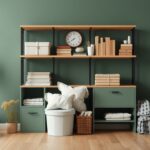
Renters can implement many effective space saving ideas without major investments. Focus on decluttering regularly and organizing existing items. Invest in stackable storage bins, under-bed storage containers, and over-the-door organizers. Utilize tension rods to create extra shelving or hanging space within closets. Consider versatile furniture like storage ottomans that can serve as seating and storage. Wall-mounted shelves can often be installed with minimal damage (check lease agreements) and provide significant utility.
How do I balance the need for space saving with comfort and aesthetics?
Balancing space saving with comfort and aesthetics is about making informed choices. Select multi-functional furniture that is also comfortable and visually appealing. For example, choose a sofa bed with a high-quality mattress and a stylish upholstery. Opt for storage solutions that are integrated seamlessly into the design of your furniture or room. Prioritize decluttering to create a sense of spaciousness, which inherently enhances both comfort and aesthetics. Remember that a truly functional and beautiful space is one that feels both practical and inviting, not just efficient.
Final Recommendations: Cultivating a Clutter-Free Lifestyle
Embracing space saving solutions is more than a temporary fix for clutter; it’s a pathway to a more organized, peaceful, and functional life. By thoughtfully selecting furniture that adapts to your needs, adopting smart design strategies, and cultivating a mindful approach to possessions, you can transform any living space into a sanctuary of calm. Remember that the journey to a clutter-free home is ongoing. Regular decluttering, mindful purchasing decisions, and a willingness to adapt your space as your needs evolve are key to maintaining harmony. The investment in space saving furniture and design is an investment in your well-being, creating environments that support relaxation, productivity, and a greater sense of control over your surroundings.
See also: space saving