The Astonishing Art of Compact Space Styling
The desire for a well-designed and functional living space is universal, regardless of its size. This sentiment, echoing the sentiments of countless interior design professionals, perfectly encapsulates the enduring appeal and growing necessity of mastering compact space styling. In an era where urban living and minimalist philosophies are increasingly prevalent, the ability to imbue small areas with character, functionality, and an undeniable sense of polish is not merely a skill—it’s a superpower. The sharp aesthetic of a thoughtfully designed compact space isn’t accidental; it’s the result of meticulous planning, clever illusion, and an understanding of how light, form, and texture interact to create an environment that feels both expansive and intimately personal.
- The Astonishing Art of Compact Space Styling
- The Psychological Allure of a Well-Ordered Small Space
- Key Principles of Sharp Compact Space Styling
- Strategic Furniture Selection and Arrangement
- The Power of Vertical Space
- Color Palette and Lighting: Architects of Atmosphere
- Maximizing Functionality Through Smart Design
- Multi-Functional Furniture: The Space-Saving Hero
- Clever Storage Solutions: Hiding in Plain Sight
- The Art of Illusion: Creating Perceived Space
- Case Study: The Studio Apartment Transformation
- Maintaining the “Sharp” Aesthetic: Ongoing Care
- Frequently Asked Questions
- What is the most important principle for styling a compact space?
- How can I make my small bedroom feel larger?
- Is it okay to use dark colors in a compact space?
- What type of furniture is best for a compact living room?
- How can I create distinct zones in a studio apartment?
- Final Recommendations for Effortless Compact Space Styling
Wikipedia: Contents — Wikipedia
This isn’t about merely cramming furniture into a confined area. It’s about a strategic orchestration of elements that creates visual depth, maximizes utility, and projects an air of sophisticated intentionality. The impact of a well-styled compact space can be profound, transforming a potentially cramped dwelling into a sanctuary that reflects the occupant’s personality and lifestyle with remarkable clarity and elegance. From the psychological perception of spaciousness to the practicalities of daily living, the principles behind sharp compact space styling offer a compelling narrative of how intention and design can overcome perceived limitations.
The true measure of interior design isn’t in the square footage, but in the feeling it evokes. A compact space, when styled with intention, can evoke a feeling of luxury and expansiveness that larger, less considered spaces often lack.
The Psychological Allure of a Well-Ordered Small Space
The human psyche is remarkably attuned to its surroundings. When navigating a compact space, the brain is constantly processing cues about order, flow, and visual clutter. A meticulously styled compact space, characterized by clean lines, intentional color palettes, and multi-functional elements, sends signals of calm and control. This psychological resonance is a significant factor in why such spaces feel “sharp.” They communicate a sense of deliberate curation, where every item has a purpose and a place. This contrasts sharply with cluttered or poorly arranged small spaces, which can induce feelings of anxiety and overwhelm. Research in environmental psychology suggests that organized environments contribute to reduced stress levels and improved cognitive function.
The perception of spaciousness itself is a powerful psychological phenomenon. Designers achieve this through various optical illusions and strategic placements. The strategic use of mirrors, for example, can effectively double the perceived size of a room by reflecting light and imagery. Similarly, a cohesive color scheme, often featuring lighter, cooler tones, can make walls recede, creating an illusion of greater depth. This deliberate manipulation of perception is a cornerstone of compact space styling, allowing inhabitants to feel as if they have more room than the physical dimensions might suggest.
Key Principles of Sharp Compact Space Styling
Mastering the art of the compact space lies in understanding and applying a set of fundamental design principles. These aren’t rigid rules but rather guiding tenets that, when woven together, create a harmonious and visually appealing environment. The emphasis is always on maximizing utility without sacrificing aesthetic appeal, ensuring that the space feels both functional and inviting.
Strategic Furniture Selection and Arrangement
The choice of furniture is paramount in any compact space. Opting for pieces that are appropriately scaled is crucial. Oversized, bulky furniture can quickly overwhelm a small room, making it feel even smaller. Instead, prioritize furniture with slender profiles, elevated legs that create visual lightness, and multi-functional capabilities. A sofa with built-in storage, an ottoman that doubles as a coffee table, or a dining table that can extend or fold away are invaluable assets. The arrangement also matter significantly. Rather than pushing all furniture against the walls, consider creating distinct zones within the space. This can be achieved through the strategic placement of rugs, lighting, or even the arrangement of smaller pieces.
When it comes to compact space, 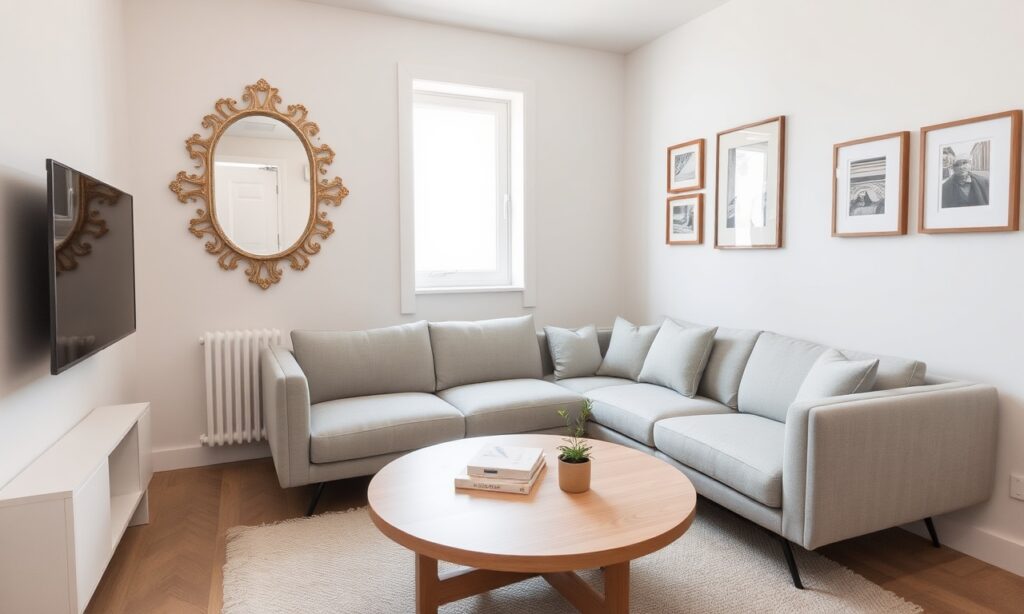
The concept of “visual weight” is also important. In a compact space, it’s often beneficial to distribute visual weight evenly rather than concentrating it in one area. This prevents the room from feeling lopsided or cramped. For instance, balancing a slightly larger sofa with two smaller accent chairs can create a more dynamic and balanced arrangement than trying to fit a sectional into a small living area.
The Power of Vertical Space
In the context of compact space, When horizontal space is limited, looking upward becomes a critical strategy. Verticality is often an underutilized asset in compact living. This involves drawing the eye upwards and utilizing the full height of the walls for storage and decorative purposes. Tall, slender bookshelves, wall-mounted shelving units, and floor-to-ceiling curtains can all enhance the perception of height and create a sense of grandeur. Even small details, like hanging art at a slightly higher level, can contribute to this effect.
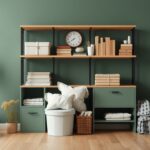
When implementing vertical storage, consider its aesthetic impact. Open shelving can be visually lighter than closed cabinets, but it requires meticulous organization to maintain the “sharp” look. Closed cabinetry, on the other hand, can help conceal clutter, contributing to a cleaner, more streamlined appearance. The key is to integrate vertical solutions seamlessly into the overall design narrative of the space.
Color Palette and Lighting: Architects of Atmosphere
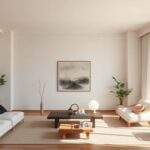
Color and light are perhaps the most potent tools in the compact space stylist’s arsenal. A well-chosen color palette can dramatically alter the perceived size and mood of a room. Lighter, neutral colors like whites, creams, soft grays, and pale blues tend to recede, making walls appear further away and the space feel more open and airy. These colors also serve as an excellent canvas for accent colors, allowing bolder hues to make a statement without overwhelming the senses.
Layered lighting is equally transformative. Relying solely on a single overhead fixture can create harsh shadows and a sense of confinement. Instead, incorporate a variety of light sources: ambient lighting for general illumination, task lighting for specific activities (like reading or cooking), and accent lighting to highlight architectural features or decorative elements. Dimmers are invaluable for controlling the mood and can transform a space from bright and functional to cozy and intimate. Natural light, when maximized, is the ultimate space-enhancer. Keeping windows unobstructed and using sheer or light-filtering window treatments ensures that natural light plays its role to the fullest.
A compact space, when styled with intention, can evoke a feeling of luxury and expansiveness that larger, less considered spaces often lack.
Maximizing Functionality Through Smart Design
The essence of sharp styling in a compact space is its inherent functionality. It’s about making every square inch work harder, blending practicality with aesthetic appeal seamlessly. This often involves embracing innovative solutions and thinking beyond conventional furniture placements.
Multi-Functional Furniture: The Space-Saving Hero
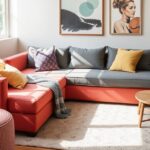
Multi-functional furniture is a cornerstone of compact living. Beyond the obvious sofa beds and storage ottomans, consider modular furniture that can be reconfigured to suit different needs. A modular sofa can adapt to various layouts, and wall units can combine shelving, desk space, and media storage. The key is to select pieces that are not only practical but also aesthetically pleasing and fit the overall design scheme. For example, a sleek, modern murphy bed that folds away into a stylish wall unit can free up significant floor space during the day, transforming a bedroom into a functional living area.
The integration of technology can also contribute to functionality. For instance, wall-mounted televisions and discreet entertainment systems minimize the need for bulky media consoles. Smart home devices, too, can enhance the usability of a compact space, automating lighting and climate control to optimize comfort and efficiency.
Clever Storage Solutions: Hiding in Plain Sight
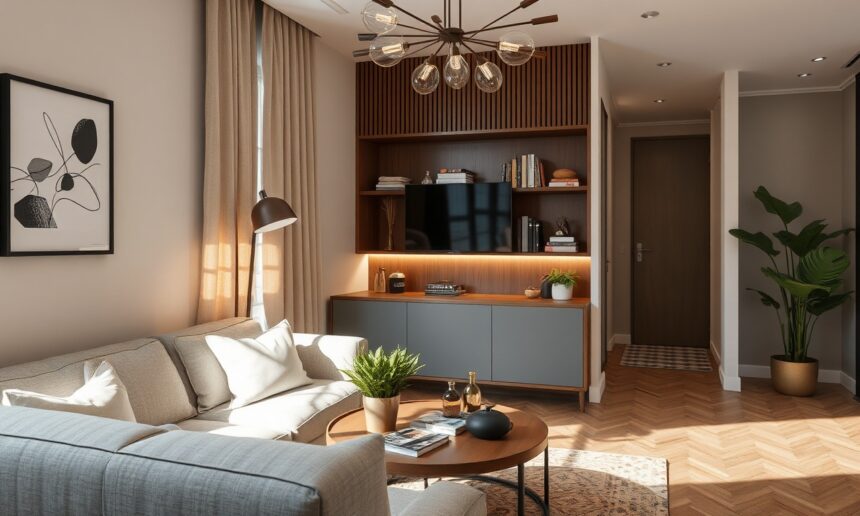
Effective storage is not just about having enough places to put things; it’s about integrating those solutions so they don’t detract from the aesthetic. This means utilizing often-overlooked spaces, such as under the bed, the back of doors, or the corners of rooms. Built-in cabinetry, custom-designed to fit specific alcoves or wall spaces, offers a sleek and seamless storage solution. Floating shelves can provide display and storage without the visual bulk of traditional bookcases.
Think about the items you use most frequently and ensure they are easily accessible. Less frequently used items can be stored in less prominent locations. The goal is to create a sense of order and calm by minimizing visual clutter, which is a hallmark of sophisticated compact space styling. This requires a ruthless but strategic approach to decluttering and a commitment to storing items thoughtfully. A well-organized pantry, for example, with clear containers and vertical dividers, can make a small kitchen feel much more efficient and aesthetically pleasing.
The Art of Illusion: Creating Perceived Space
Beyond physical dimensions, perception plays a huge role in how spacious a compact area feels. Designers employ several techniques to create the illusion of more space.
Mirrors are a classic tool for a reason. A large mirror strategically placed opposite a window can reflect natural light and the view outside, effectively doubling the perceived depth of the room. Even smaller decorative mirrors can contribute to this effect, bouncing light around the space.
The use of vertical lines is another powerful illusion. Think of striped wallpaper, tall, narrow furniture, or floor-to-ceiling curtains. These elements draw the eye upward, making the ceiling appear higher and the room feel more expansive. Conversely, horizontal lines can make a space feel wider.
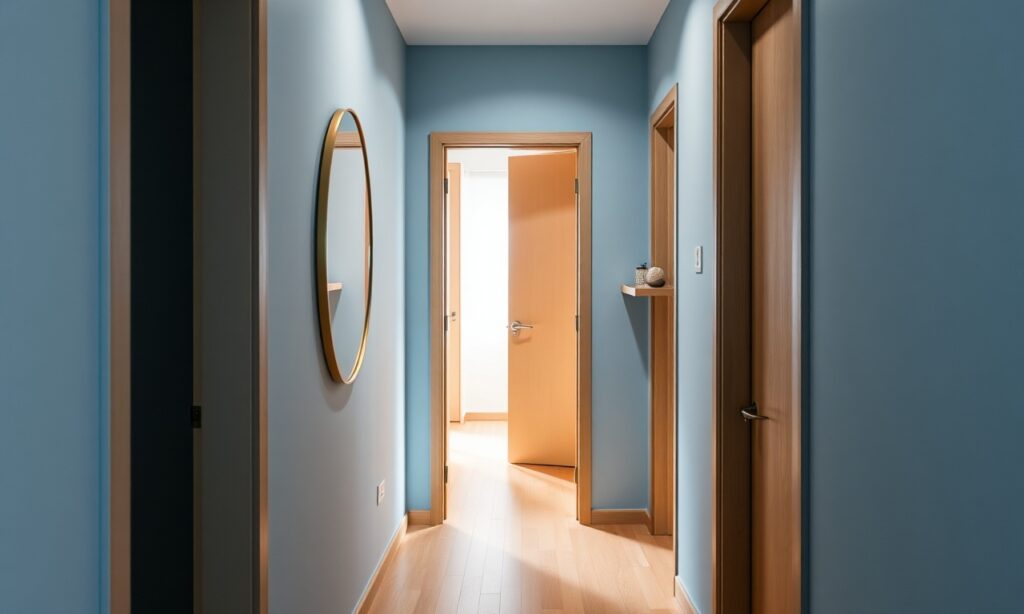
Color psychology also plays a role. As mentioned, lighter colors make spaces feel larger. However, a strategic use of darker colors in specific areas, such as a darker accent wall at the far end of a long, narrow room, can actually create a sense of depth by making that wall appear closer, visually shortening the room. This nuanced application of color can be incredibly effective.
Case Study: The Studio Apartment Transformation
Consider the common scenario of a studio apartment, often perceived as inherently limiting. A recent project involved transforming a 400-square-foot studio into a sophisticated urban dwelling. The client desired a space that felt both functional for daily living and stylish enough for entertaining.
The strategy involved several key interventions:
- Zone Creation: The living area, sleeping area, and kitchen were visually separated without using physical walls. A large, plush rug defined the living space, while a strategically placed floor-to-ceiling bookshelf acted as a subtle divider for the sleeping area.
- Multi-Functional Furniture: A sleek, modular sofa was chosen, allowing for flexible seating arrangements. A console table behind the sofa doubled as a dining surface when extended, with stackable stools stored neatly underneath.
- Vertical Emphasis: Custom-built, floor-to-ceiling cabinetry was installed along one wall, incorporating a fold-down bed and ample hidden storage. This maximized vertical space and kept the main living area clutter-free.
- Light and Mirror Play: A large antique mirror was hung opposite the main window, reflecting natural light and the cityscape. The color palette was kept largely neutral, with pops of deep teal and brass accents for warmth and sophistication.
The result was a studio that felt significantly larger than its footprint, offering distinct zones for living, sleeping, and working, all while maintaining a cohesive and elegant aesthetic. This transformation underscored how intentional design choices can redefine the perceived limitations of compact spaces.
Maintaining the “Sharp” Aesthetic: Ongoing Care
Achieving a sharp, stylish compact space is an ongoing endeavor. It requires a commitment to organization and a mindful approach to introducing new items.
The Discipline of Decluttering
Regular decluttering is non-negotiable. The “one in, one out” rule is a simple yet effective strategy for preventing clutter from accumulating. Regularly assess your belongings and identify items that are no longer serving a purpose or bringing joy. Donate, sell, or discard them responsibly. A clean, organized space is the foundation of any sharp aesthetic.
Mindful Acquisition
Before bringing any new item into a compact space, ask yourself:
- Do I truly need this?
- Where will it live?
- Does it complement my existing decor and functionality?
This mindful approach ensures that every item acquired adds value and contributes to the overall design rather than detracting from it.
The Role of Texture and Accents
While minimalism often forms the backbone of compact space styling, texture and carefully chosen accents are what prevent a space from feeling sterile. Introducing varied textures—through soft throws, plush rugs, natural wood elements, or metallic finishes—adds depth and visual interest. Accent pieces, such as a striking piece of art, a sculptural lamp, or a vibrantly colored cushion, can inject personality and a sense of curated style without overwhelming the space. These elements are the finishing touches that elevate a functional space to one that is truly sharp.
The strategic use of these elements can transform a purely functional area into one that feels deeply personal and aesthetically refined. For example, a simple linen throw draped artfully over a sofa can introduce a natural, tactile element that softens the room’s lines and adds visual warmth.
Frequently Asked Questions
What is the most important principle for styling a compact space?
The most important principle is intentionality. Every item, from furniture to decor, should serve a purpose—either functional or aesthetic—and contribute to the overall harmony of the space. Avoiding clutter and maximizing perceived space through design tricks are also paramount.
How can I make my small bedroom feel larger?
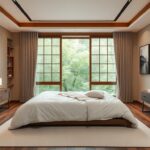
Utilize vertical space with tall headboards or wall-mounted shelves. Opt for furniture with legs to create visual openness. Use light colors on walls and bedding, and strategically place mirrors to reflect light and the room’s dimensions. Ensure ample, layered lighting to avoid dark corners.
Is it okay to use dark colors in a compact space?
Yes, but with caution and strategic application. Dark colors can create a cozy, intimate atmosphere or add dramatic depth when used as accent walls at the far end of a room to create an illusion of shorter length. However, extensive use of dark colors can make a small space feel smaller and more enclosed.
What type of furniture is best for a compact living room?
Focus on scaled-down, multi-functional, and visually light furniture. Think sofas with slender profiles and raised legs, nesting coffee tables, ottomans with storage, and wall-mounted media units. Avoid bulky, overstuffed pieces.
How can I create distinct zones in a studio apartment?
Use area rugs to define different functional areas (e.g., living room, sleeping area). Employ strategic furniture placement, like a bookshelf acting as a room divider. Varied lighting can also help delineate zones; for instance, a pendant light over a dining area and softer ambient lighting in the living space.
Final Recommendations for Effortless Compact Space Styling
The journey to mastering compact space styling is one of continuous refinement. It’s about embracing the constraints not as limitations, but as catalysts for creativity and innovation. By understanding the psychological impact of space, applying key design principles, and adopting a disciplined approach to organization, anyone can transform even the smallest dwelling into a sharp, stylish, and highly functional sanctuary. Remember that the goal is not to simply fill a space, but to curate an environment that enhances your life. Prioritize quality over quantity, consider the long-term impact of your design choices, and never underestimate the power of thoughtful arrangement and a well-executed aesthetic.
See also: compact space