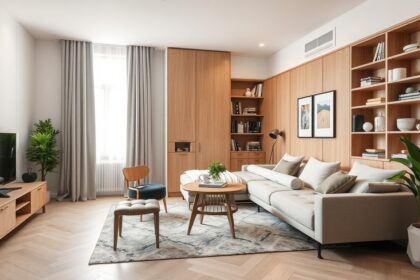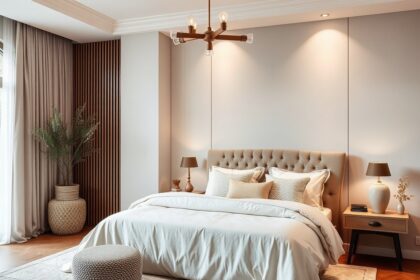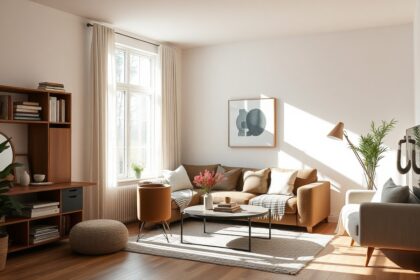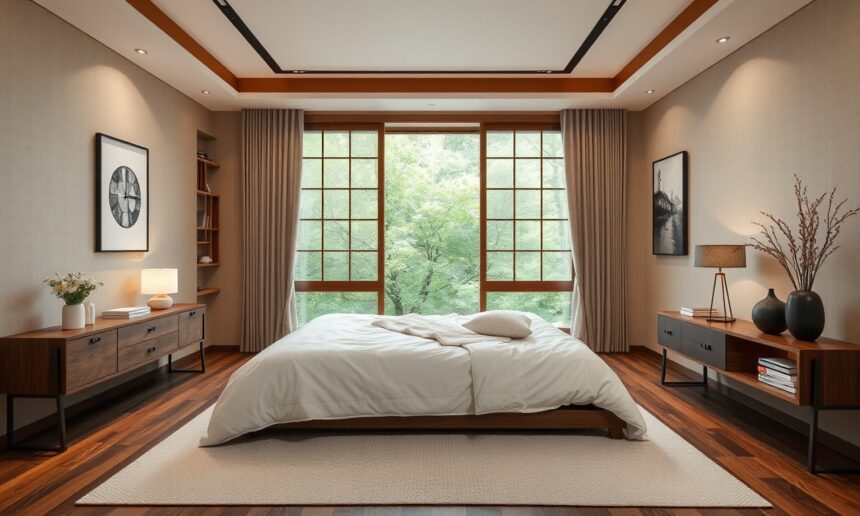
Korean Inspired Bedrooms: A Quiet Revolution in Home Design
Imagine stepping into a room that breathes calm. The air feels lighter, the colors softer, and the clutter, a distant memory. This isn’t a spa retreat; it’s your bedroom, reimagined through the lens of Korean inspired design. In an era saturated with visual noise and relentless connectivity, the appeal of a space that fosters genuine peace and mindfulness has never been stronger. Korean inspired interiors, particularly in bedrooms, represent a profound shift towards intentional living, a deliberate curation of comfort and functionality that resonates deeply with a global audience seeking sanctuary.
- Korean Inspired Bedrooms: A Quiet Revolution in Home Design
- The Core Pillars of Korean Inspired Bedroom Aesthetics
- 1. Embracing Natural Materials and Textures
- 2. The Power of Neutral Palettes and Soft Hues
- 3. Prioritizing Low-Profile Furniture and Decluttering
- 4. Integrating Nature: Biophilic Design Principles
- Designing Your Korean Inspired Bedroom: Practical Steps and Considerations
- 1. The Foundation: Choosing the Right Bed Frame
- 2. Mastering the Art of Layered Textiles
- 3. Strategic Storage for a Clutter-Free Zone
- 4. Thoughtful Lighting for Ambiance
- 5. Incorporating Greenery and Natural Elements
- The Psychological Benefits of Korean Inspired Bedroom Design
- Beyond the Aesthetics: The Cultural Nuances
- Frequently Asked Questions
- What are the key colors used in Korean inspired bedrooms?
- How important is low-profile furniture in this design style?
- Can I incorporate plants into a Korean inspired bedroom?
- What materials are most commonly used in Korean inspired bedrooms?
- How can I achieve a clutter-free space in my Korean inspired bedroom?
- Final Recommendations for Your Serene Sanctuary
Wikipedia: Contents — Wikipedia
This aesthetic, characterized by its elegant simplicity, harmonious integration of nature, and thoughtful material choices, offers a potent antidote to the frenetic pace of modern life, creating personal havens that are both deeply calming and undeniably chic.
Korean inspired design offers a powerful blueprint for creating spaces that not only look beautiful but feel profoundly peaceful, a crucial element in today’s hyper-connected world.
The essence of this design philosophy lies in its ability to strip away the superfluous, focusing instead on creating environments that nurture well-being. It’s about cultivating an atmosphere where one can truly disconnect and recharge. This approach extends beyond mere aesthetics, influencing how we interact with our living spaces and, by extension, ourselves. The rising popularity of Korean dramas and K-pop culture has undoubtedly played a role in introducing these design sensibilities to a wider audience, but the underlying principles are timeless, rooted in a cultural appreciation for balance, nature, and mindful living that predates contemporary global trends.
Korean inspired bedrooms are more than just stylish; they are meticulously crafted environments designed to promote mental clarity and emotional balance, proof of the power of intentional design in fostering well-being.
The Core Pillars of Korean Inspired Bedroom Aesthetics
At its heart, the Korean inspired bedroom design is a celebration of minimalism, but not the stark, impersonal kind. Instead, it’s a warm, inviting minimalism that prioritizes comfort, natural materials, and a sense of organic flow. This approach is built upon several foundational principles that, when combined, create a cohesive and deeply tranquil environment. Understanding these pillars is the first step towards infusing your own bedroom with this sought-after serenity. The goal is not to replicate a specific look rigidly, but to internalize the philosophy and adapt it to your personal needs and space.
1. Embracing Natural Materials and Textures
The tactile experience of a space is paramount in Korean inspired design. Wood, in its various forms and finishes, is a ubiquitous element, often featuring in low-profile bed frames, shelving, or accent pieces. The natural grain and warmth of wood bring an organic, grounding quality to the room. Beyond wood, natural fibers like linen, cotton, and jute are favored for bedding, rugs, and decorative elements. These materials not only add visual texture but also contribute to a softer, more breathable environment. Think of the subtle variations in a woven linen duvet cover or the comforting roughness of a jute rug underfoot – these details are key to creating a sensory experience that promotes relaxation.
2. The Power of Neutral Palettes and Soft Hues
A hallmark of Korean inspired bedrooms is their sophisticated and calming color scheme. The palette is overwhelmingly neutral, drawing inspiration from nature. Think soft beiges, warm ivories, muted grays, and earthy browns. These colors create a serene backdrop that minimizes visual distraction and promotes a sense of peace. Occasional touches of pastel blues, gentle greens, or soft terracotta can be introduced sparingly to add subtle depth and personality without disrupting the overall tranquility. This deliberate avoidance of harsh or overly saturated colors is crucial for fostering a restful atmosphere conducive to sleep and relaxation.
3. Prioritizing Low-Profile Furniture and Decluttering
A defining characteristic of Korean inspired interiors is the emphasis on low-profile furniture. Beds are typically close to the ground, creating a sense of groundedness and spaciousness. This design choice not only enhances the minimalist aesthetic but also makes the room feel larger and more open. Similarly, shelving and storage solutions are often discreet and integrated, designed to keep clutter out of sight. The philosophy here is simple: less is more. Every item in the room should serve a purpose or bring genuine joy. This intentional decluttering is not about deprivation; it’s about creating mental space by removing visual noise.
Research has shown that clutter can negatively impact our ability to focus and process information, underscoring the psychological benefits of a tidy environment.

4. Integrating Nature: Biophilic Design Principles
Korean culture has a deep reverence for nature, and this is beautifully reflected in their interior design. Biophilic design – the practice of connecting with nature within indoor spaces – is a core component. This can manifest in several ways: incorporating live plants, using natural wood finishes, or even employing artwork that depicts natural landscapes. The presence of greenery not only adds a touch of life and color but has also been shown to improve air quality and reduce stress. Studies have indicated that even the presence of plants can lead to physiological changes, such as lower blood pressure and heart rate, further enhancing the room’s calming effect.
Designing Your Korean Inspired Bedroom: Practical Steps and Considerations
Translating these principles into your own bedroom requires a thoughtful, step-by-step approach. It’s about making conscious choices that align with the core philosophy of calm, simplicity, and connection to nature. Whether you’re undertaking a full renovation or simply looking to refresh your existing space, these practical steps will guide you towards achieving that coveted Korean inspired sanctuary.
1. The Foundation: Choosing the Right Bed Frame
The bed is the focal point of any bedroom, and in a Korean inspired design, it sets the tone. Opt for a low-profile platform bed frame, often made of solid wood. These frames eliminate the need for a box spring and contribute to the clean, uncluttered aesthetic. Materials like oak, walnut, or ash wood are excellent choices, offering both durability and natural beauty. The minimalist design of these frames ensures they don’t overpower the room, allowing other elements to shine. Consider a frame with subtle, clean lines, avoiding ornate details.
2. Mastering the Art of Layered Textiles
Bedding is where you can truly layer comfort and texture. Start with high-quality, breathable sheets – linen or organic cotton are ideal. Layer on a duvet or comforter in a neutral tone, perhaps with a subtle waffle weave or slub texture for added visual interest. Throw pillows should be kept to a minimum, perhaps one or two in complementary natural fabrics. A soft, inviting throw blanket draped casually over the bed adds a final touch of coziness. The key is to create a feeling of plush comfort without overwhelming the senses.
The tactile quality of bedding is paramount; invest in natural fabrics like linen and organic cotton to enhance the sensory experience of comfort and relaxation in your Korean inspired bedroom.
3. Strategic Storage for a Clutter-Free Zone
Effective storage is non-negotiable for achieving a truly Korean inspired bedroom. Think about integrated solutions that blend seamlessly with the room’s aesthetic. Built-in wardrobes with minimalist doors, floating shelves, or low, sleek dressers can all help conceal belongings. For smaller items, consider woven baskets or wooden boxes that add to the natural texture of the room while keeping essentials organized. The goal is to have everything in its place, out of sight, allowing the eye to rest on the intentional beauty of the space.
4. Thoughtful Lighting for Ambiance
Lighting matter significantly in setting the mood. Korean inspired bedrooms favor warm, ambient lighting over harsh, overhead fixtures. Consider a bedside lamp with a soft, diffused light – perhaps a ceramic base with a linen shade. Wall-mounted sconces or a subtle floor lamp can also provide gentle illumination. Natural light should be maximized during the day. Sheer curtains or blinds made from natural materials like linen or bamboo can filter sunlight beautifully, creating a soft, ethereal glow.
5. Incorporating Greenery and Natural Elements
As mentioned, plants are essential. Choose species that thrive indoors and require minimal maintenance, such as snake plants, ZZ plants, or small succulents. Place them in simple ceramic or terracotta pots to complement the natural aesthetic. Beyond plants, consider incorporating other natural elements like smooth stones, decorative branches, or wooden accents. Artwork featuring serene landscapes or abstract representations of nature can also enhance the connection to the outdoors.

The Psychological Benefits of Korean Inspired Bedroom Design
The allure of Korean inspired bedrooms extends far beyond their visual appeal. The principles inherent in this design philosophy are deeply connected to fostering mental well-being and promoting a restorative environment. In our increasingly demanding lives, spaces that support our psychological health are invaluable.
1. Reducing Stress and Anxiety
The deliberate use of neutral palettes, natural materials, and clutter-free environments has a direct impact on our stress levels. A visually calm space reduces sensory overload, allowing the mind to relax. The grounding effect of natural wood and the softness of natural textiles create a comforting sensory experience. This is particularly important in the bedroom, a space intended for rest and recovery. Exposure to natural elements in interior spaces can lead to significant reductions in stress and improvements in mood.
2. Enhancing Sleep Quality
The primary function of a bedroom is to facilitate restful sleep. Korean inspired design directly supports this goal. The absence of harsh colors and excessive visual stimuli helps signal to the brain that it’s time to wind down. The focus on natural, breathable fabrics for bedding promotes comfort throughout the night. Furthermore, the minimalist approach encourages a sense of order and control, which can alleviate pre-sleep anxiety. By creating a serene environment, these bedrooms become conducive to deeper, more restorative sleep.
3. Cultivating Mindfulness and Presence
The intentionality behind Korean inspired design encourages a more mindful approach to living. When every object in your space has a purpose or brings you joy, and clutter is minimized, you become more attuned to your surroundings. This mindful approach can extend beyond the bedroom, fostering a greater sense of presence in your daily life. The simplicity of the aesthetic invites contemplation and a slower pace, allowing you to appreciate the small details and find calm amidst the everyday.
Beyond the Aesthetics: The Cultural Nuances
Understanding the cultural roots of Korean inspired design enriches its appreciation and application. While often associated with modern minimalism, this aesthetic is deeply intertwined with traditional Korean values and philosophies.
1. The Influence of Hanok Architecture
Traditional Korean houses, or *Hanok*, offer a glimpse into the historical foundations of this design sensibility. Hanok are characterized by their natural materials, integration with the landscape, and emphasis on harmony. The low-profile living spaces, wooden structures, and connection to the outdoors found in Hanok echo in contemporary Korean inspired interiors. This historical context provides a deeper understanding of why these design elements promote a sense of peace and balance.
2. The Philosophy of *Jeong* (정)
While not directly a design element, the Korean concept of *jeong* – a complex feeling of deep affection, connection, and emotional bond – subtly influences the creation of welcoming and comforting spaces. A Korean inspired bedroom, while minimalist, is designed to foster a sense of intimacy and personal connection. It’s about creating a space that feels like a true sanctuary, a place where one can feel safe, loved, and at ease. This underlying emotional resonance is what elevates the design from mere aesthetics to a holistic experience.
Frequently Asked Questions
What are the key colors used in Korean inspired bedrooms?
Korean inspired bedrooms predominantly feature a neutral color palette. This includes soft beiges, warm ivories, muted grays, earthy browns, and sometimes subtle pastels like light blues or greens. The aim is to create a serene and calming backdrop that minimizes visual stimulation, promoting relaxation and restful sleep.
How important is low-profile furniture in this design style?
Low-profile furniture, particularly beds, is a cornerstone of Korean inspired bedroom design. It creates a sense of groundedness, spaciousness, and visual simplicity. By keeping furniture close to the floor, the room appears larger and more open, contributing to the overall minimalist and tranquil aesthetic.
Can I incorporate plants into a Korean inspired bedroom?
Absolutely. Integrating natural elements like plants is a key aspect of Korean inspired design, drawing from biophilic principles. Live plants add life, color, and a connection to nature, which are believed to reduce stress and improve air quality. Choose species that are easy to care for and complement the room’s aesthetic.
What materials are most commonly used in Korean inspired bedrooms?
Natural materials are paramount. This includes a significant use of wood, particularly in furniture like bed frames, nightstands, and shelving, often with natural or matte finishes. Natural fibers such as linen, cotton, and jute are extensively used for bedding, rugs, and decorative textiles, adding texture and a sense of organic warmth.
How can I achieve a clutter-free space in my Korean inspired bedroom?
Achieving a clutter-free space involves intentional decluttering and smart storage solutions. Opt for furniture with integrated storage, such as wardrobes with minimalist doors or dressers with clean lines. Utilize decorative baskets, wooden boxes, or hidden compartments to keep essentials organized and out of sight. The philosophy is to keep only what is necessary or brings joy, creating a visually calm environment.
Final Recommendations for Your Serene Sanctuary
Creating a Korean inspired bedroom is a journey towards a more peaceful and intentional way of living. It’s about embracing simplicity, celebrating natural beauty, and designing a space that truly nurtures your well-being. Start by assessing your current space and identifying areas where you can introduce these principles, whether it’s through a new bed frame, a fresh coat of paint in a calming hue, or simply decluttering and organizing. Remember that this aesthetic is not about rigid rules but about cultivating a feeling – a sense of calm, balance, and connection.
By thoughtfully integrating natural materials, a serene color palette, and minimalist furnishings, you can transform your bedroom into a sanctuary that supports rest, rejuvenation, and a deeper sense of peace in your daily life. The enduring appeal of this design lies in its ability to offer a tangible escape from the demands of the modern world, creating a personal haven that is both aesthetically pleasing and profoundly beneficial for your mental and emotional health.
See also: Korean inspired