The Quiet Revolution: Embracing Korean Minimalist Bedroom Design
In a world saturated with sensory input, where digital notifications constantly vie for our attention, the concept of a truly tranquil personal sanctuary has become not just a luxury, but a necessity. Studies have indicated that clutter can significantly increase stress levels, with research showing a correlation between high levels of household clutter and elevated cortisol, the stress hormone. This is precisely where the philosophy of the Korean minimalist bedroom emerges as a powerful antidote. Far beyond a mere aesthetic trend, it represents a deliberate approach to living, prioritizing intention, calm, and a profound sense of peace within one’s most intimate space.
- The Quiet Revolution: Embracing Korean Minimalist Bedroom Design
- Core Principles of Korean Minimalist Design
- Embracing Natural Materials and Palettes
- Functionality and Purpose Over Ornamentation
- The Importance of Negative Space
- Designing Your Korean Minimalist Bedroom: Practical Steps
- Decluttering with Intention
- Furniture Selection: Low-Profile and Functional
- Strategic Storage Solutions
- The Role of Lighting and Softness
- Cultivating a Mindful Atmosphere
- Incorporating Elements of Nature
- The Power of Texture and Tactile Sensations
- Mindful Habits for a Serene Space
- The Benefits of a Korean Minimalist Bedroom
- Improved Sleep Quality
- Enhanced Mental Clarity and Focus
- Reduced Stress and Anxiety
- A Deeper Appreciation for Simplicity
- Frequently Asked Questions
- Is a Korean minimalist bedroom only for small spaces?
- How do I balance minimalism with personal comfort and warmth?
- What are some essential items to include in a Korean minimalist bedroom?
- How often should I declutter my Korean minimalist bedroom?
- Final Recommendations for Achieving Focused Serenity
Wikipedia: Contents — Wikipedia
The Korean minimalist bedroom is not about deprivation; it’s about curation, about creating an environment that actively supports mental clarity and restorative rest. It’s a sanctuary where the absence of excess amplifies the presence of calm.
The Korean minimalist bedroom is proof of the power of intentional living, transforming personal space into a haven for focus and tranquility.
When it comes to Korean minimalist, This approach, deeply rooted in Korean cultural values that emphasize harmony, balance, and a connection with nature, offers a refreshing departure from the often overwhelming consumerism that pervades modern interior design. It’s about discerning what truly adds value to your life and your environment, and letting go of the rest. The result is a bedroom that feels not just decluttered, but deeply intentional, inviting a sense of focused serenity that can profoundly impact your overall well-being. It’s a design philosophy that speaks to the soul, offering a path to a more peaceful and productive existence.
Core Principles of Korean Minimalist Design
At its heart, the Korean minimalist bedroom is governed by a set of core principles that, when understood and applied, can transform any sleeping space into a serene retreat. These principles are not rigid rules but guiding philosophies that foster an environment of calm and intentionality. They stem from a deep appreciation for simplicity, functionality, and the creation of a harmonious atmosphere.
Embracing Natural Materials and Palettes
A cornerstone of Korean minimalist design is the extensive use of natural materials. Think of light-toned woods like pine, birch, or oak, often left unfinished or treated with natural oils to highlight their inherent beauty and texture. These materials bring warmth and an organic feel into the space, creating a tactile experience that is both grounding and comforting. Alongside wood, you’ll find elements of stone, bamboo, and natural fibers like linen, cotton, and wool. These materials not only contribute to a serene aesthetic but also promote a healthier indoor environment by being breathable and often hypoallergenic.
The color palette is equally crucial. It is predominantly neutral, leaning heavily on soft, earthy tones. Whites, creams, beiges, light grays, and muted pastels form the foundation. This deliberate choice of colors is designed to evoke a sense of calm and spaciousness, reducing visual noise and promoting mental tranquility. Accents might be introduced through natural wood tones or very subtle, desaturated greens or blues, often inspired by nature. The aim is to create a cohesive and soothing visual experience that encourages relaxation and rest, avoiding anything jarring or overly stimulating.
Functionality and Purpose Over Ornamentation
In a Korean minimalist bedroom, every item serves a purpose. Ornamentation is kept to an absolute minimum, and if present, it is highly functional or deeply meaningful. This means that furniture is chosen not just for its aesthetic appeal but for its utility and ability to support a clutter-free lifestyle. Think of low-profile beds that create a sense of groundedness, simple wardrobes that conceal rather than display, and multifunctional pieces that optimize space.
The absence of superfluous decorative items is a deliberate choice. Instead of displaying numerous knick-knacks, the focus shifts to a few carefully selected pieces that hold personal significance or contribute to the overall sense of calm. This could be a single piece of art, a beautifully crafted ceramic vase, or a simple, elegant lamp. The idea is to curate your belongings, ensuring that everything you keep has a reason for being there, thereby reducing mental clutter and fostering a more peaceful environment.
The Importance of Negative Space
Negative space, often referred to as ’empty space’, is not just an absence of objects in Korean minimalist design; it is an active design element. It allows the eyes to rest, prevents the room from feeling cramped, and creates a sense of openness and airiness. In a Korean minimalist bedroom, ample negative space around furniture and on walls is essential. This visual breathing room is crucial for achieving a calm and focused atmosphere. It allows the mind to relax, free from the constant stimulation that crowded environments can create.
This principle extends to the arrangement of furniture. Pieces are strategically placed to allow for clear pathways and visual flow, ensuring that the room feels expansive and uncluttered. Even the act of arranging items on shelves or surfaces is done with negative space in mind, ensuring that each object has room to be appreciated without competing for attention. This deliberate use of emptiness is what truly defines the serene quality of a Korean minimalist space.
Designing Your Korean Minimalist Bedroom: Practical Steps
Translating the principles of Korean minimalist design into your own bedroom can feel like a significant undertaking, but by approaching it systematically, you can achieve a transformation that fosters deep serenity. It’s a journey of mindful curation and intentional arrangement, leading to a space that truly supports your well-being.
Decluttering with Intention
The foundational step to any minimalist bedroom is a thorough decluttering process. This isn’t just about tidying up; it’s about a conscious evaluation of each item in your room. Start by removing everything from your wardrobe and drawers. As you hold each item, ask yourself: “Does this item serve a purpose? Does it bring me joy? Have I used it recently?” If the answer to these questions is consistently no, it’s time to let it go. Consider donating, selling, or responsibly discarding items you no longer need.
Be ruthless but also compassionate. The goal is not to live in an empty room, but to surround yourself with things that genuinely contribute to your life and peace. This process can be emotionally challenging, but it is incredibly liberating. According to organizational experts, the average person keeps items they haven’t used in over a year, contributing significantly to mental clutter. By decluttering, you are actively reclaiming mental and physical space.
Furniture Selection: Low-Profile and Functional
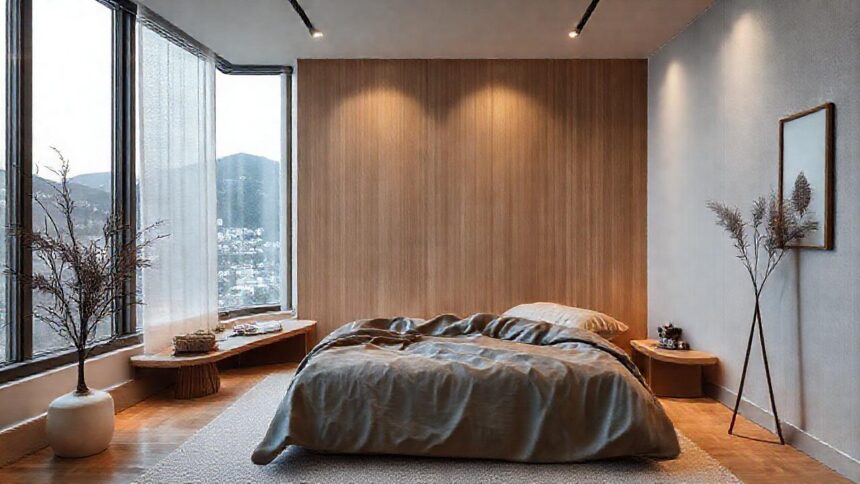
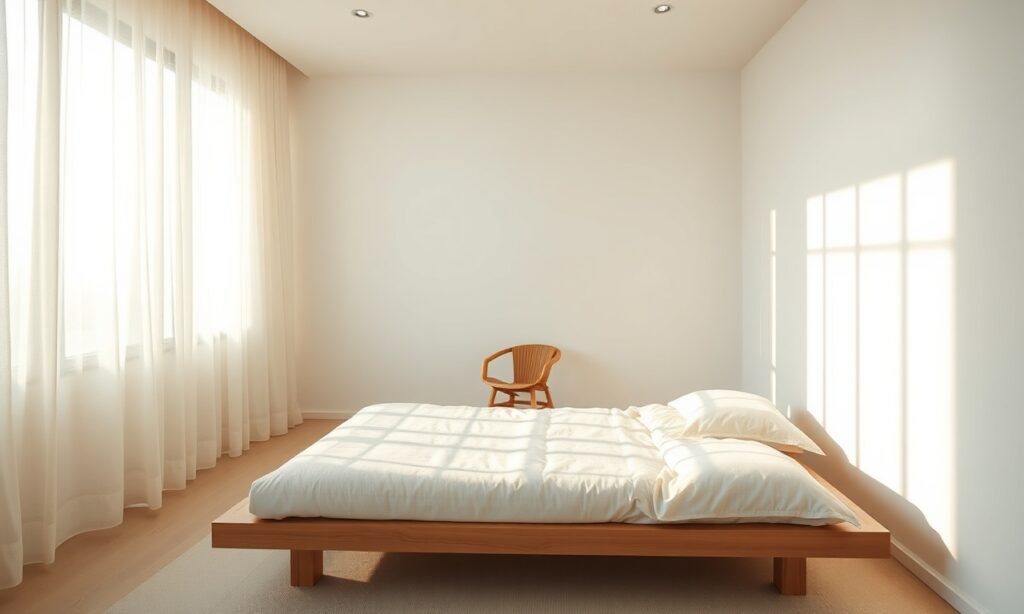
When selecting furniture for a Korean minimalist bedroom, prioritize pieces that are low-profile, functional, and made from natural materials. A low platform bed is a hallmark of this style, promoting a sense of grounding and spaciousness. These beds often feature simple lines and natural wood finishes. Consider beds with built-in storage drawers if you need discreet space for linens or seasonal clothing.
Wardrobes should be sleek and unobtrusive, ideally with sliding doors to save space. Built-in wardrobes painted to match the walls can further enhance the sense of seamlessness and minimize visual distraction. Nightstands should be simple, perhaps a small wooden stool or a floating shelf, designed to hold only essentials like a book and a lamp. Avoid bulky, ornate furniture that can dominate the room and disrupt the sense of calm. The focus is on clean lines and honest materials.
Strategic Storage Solutions
Effective storage is paramount in maintaining a minimalist aesthetic. The key is to keep items out of sight but easily accessible. Opt for furniture with integrated storage, such as beds with drawers or ottomans that open for storage. Utilize wall-mounted shelves for displaying a few curated items or for storing books, but ensure they remain uncluttered.
Consider using natural woven baskets or simple wooden boxes to organize smaller items within wardrobes or on shelves. These add a touch of natural texture while keeping things tidy. Think vertically as well; tall, slender storage units can be beneficial if they blend seamlessly with the wall color. The goal is to create a system where everything has its place, making it easy to put things away and maintain the serene ambiance.
The Role of Lighting and Softness
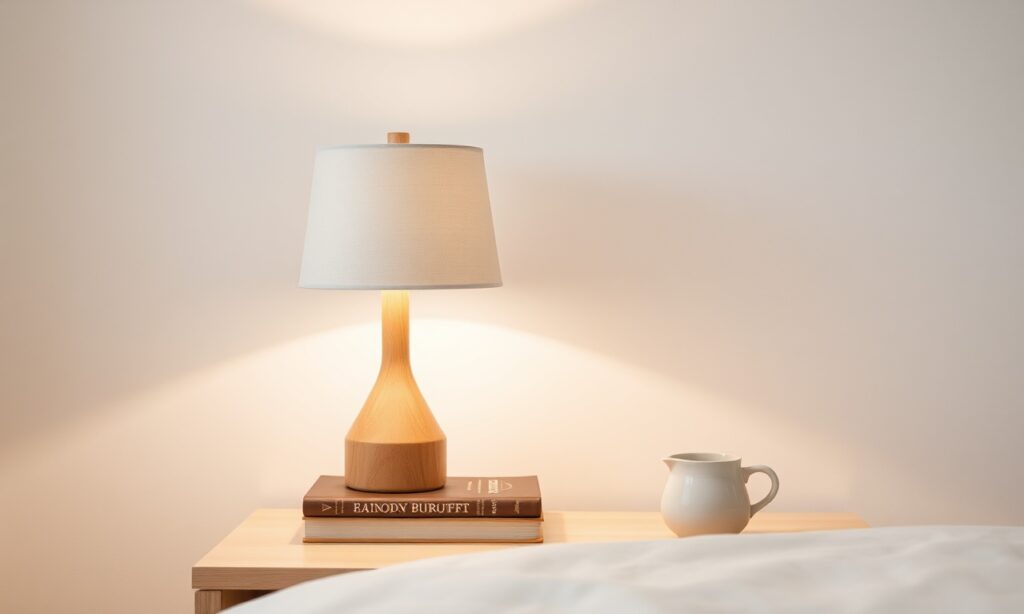
Lighting plays a critical role in establishing the mood of a Korean minimalist bedroom. Natural light is preferred and should be maximized. Sheer linen curtains or simple roller blinds can diffuse sunlight beautifully, creating a soft, ambient glow. For artificial lighting, opt for warm, dimmable options. A single, elegant floor lamp or a minimalist bedside lamp can provide sufficient task lighting without being harsh.
Avoid overhead lighting that can be stark. Instead, focus on layered lighting that creates a cozy and inviting atmosphere. Think of pendant lights with natural material shades or wall sconces that cast a soft light. The quality of light should be gentle and soothing, contributing to the overall sense of relaxation and peace.
Cultivating a Mindful Atmosphere
Beyond the physical elements, the Korean minimalist bedroom is about cultivating a mindful atmosphere that supports mental well-being and restorative sleep. This involves incorporating elements that engage the senses in a calming way and fostering habits that align with a peaceful lifestyle.
Incorporating Elements of Nature
Bringing the outdoors in is a key aspect of Korean design, and it’s particularly effective in creating a serene bedroom. This can be as simple as a small, low-maintenance plant like a snake plant or a ZZ plant, which also helps to purify the air. Consider incorporating natural elements like smooth stones, driftwood, or a simple branch arranged artfully.
Even the scent of your bedroom can contribute to a mindful atmosphere. Natural essential oils like lavender, chamomile, or sandalwood diffused gently can promote relaxation and aid sleep. Avoid artificial air fresheners, which can be overwhelming and contain synthetic chemicals. The aim is to create a sensory experience that is subtle, natural, and deeply calming.
The Power of Texture and Tactile Sensations
While visual simplicity is key, texture adds depth and warmth to a minimalist space. Think about the feel of your bedding – soft, natural linens or organic cotton can enhance comfort and promote a sense of luxury. A plush, natural fiber rug underfoot can add warmth and coziness, especially in cooler months.
Consider incorporating textured throws or cushions made from wool, linen, or a soft, natural weave. These tactile elements invite touch and add a layer of comfort that is essential for a restful bedroom. The interplay of smooth surfaces with gentle textures creates a more engaging and welcoming environment without introducing visual clutter.
The Korean minimalist bedroom is not just about what you remove, but about what you thoughtfully choose to keep, ensuring each element contributes to a sense of peace.
Mindful Habits for a Serene Space
The physical space of a Korean minimalist bedroom is only one part of the equation. Cultivating mindful habits is equally crucial for maintaining its serenity. This includes establishing a consistent bedtime routine that signals to your body that it’s time to wind down. Avoid screens in the bedroom an hour before sleep, as the blue light can disrupt melatonin production.
Practice tidying up your space for a few minutes each day, putting items back in their designated places. This prevents small messes from accumulating into overwhelming clutter. Consider a brief meditation or journaling session before bed to clear your mind. By integrating these practices, you reinforce the principles of minimalism and create a sanctuary that truly supports your mental and physical rejuvenation.
The Benefits of a Korean Minimalist Bedroom
The impact of a well-designed Korean minimalist bedroom extends far beyond aesthetics. It can profoundly influence your sleep quality, mental clarity, and overall sense of well-being. By stripping away the excess, you create space for what truly matters.
Improved Sleep Quality
A cluttered environment can be a significant source of subconscious stress, making it harder to fall asleep and stay asleep. The calm, uncluttered nature of a Korean minimalist bedroom reduces visual distractions and promotes a sense of peace, signaling to your brain that it’s time to rest. The focus on natural materials and soft lighting also contributes to a more conducive sleep environment. Studies have shown that a tidy bedroom is associated with better sleep quality. For instance, research suggests that environmental factors, including bedroom tidiness, can play a role in sleep disturbances.
Enhanced Mental Clarity and Focus
The absence of visual clutter in a minimalist space allows your mind to relax and focus more effectively. When your surroundings are calm and organized, your brain is less likely to be overwhelmed by sensory input. This enhanced mental clarity can translate to improved concentration, reduced anxiety, and a greater sense of control over your environment. The deliberate curation of items means you are constantly surrounded by things that have meaning or utility, which can foster a more intentional mindset throughout the day.
Reduced Stress and Anxiety
Living in a chaotic environment can significantly contribute to feelings of stress and anxiety. The Korean minimalist bedroom, with its emphasis on simplicity, order, and natural elements, acts as a sanctuary from the stresses of the outside world. The act of decluttering itself can be therapeutic, and the resulting serene environment provides a constant, calming presence. This reduction in external stimuli can lead to a noticeable decrease in stress hormones, promoting a more relaxed state of being.
A Deeper Appreciation for Simplicity
Embracing Korean minimalist design encourages a shift in perspective. It fosters an appreciation for the beauty of simplicity and the value of mindful consumption. Instead of chasing the latest trends or accumulating more possessions, you learn to find contentment in less. This can lead to a more sustainable lifestyle and a greater sense of gratitude for the things you already have. It’s a philosophy that extends beyond the bedroom, influencing how you approach other areas of your life.
Frequently Asked Questions
Is a Korean minimalist bedroom only for small spaces?
Absolutely not. While the principles of minimalism can be particularly effective in maximizing the sense of space in smaller rooms, they are equally beneficial for larger bedrooms. In a spacious room, Korean minimalist design can prevent the area from feeling cavernous or impersonal. It helps to create defined zones, maintain a sense of calm, and highlight the inherent beauty of the room’s architecture and natural light, rather than letting it feel empty or overwhelming.
How do I balance minimalism with personal comfort and warmth?
The key to balancing minimalism with comfort lies in thoughtful curation and the use of natural textures and materials. Instead of bare surfaces, opt for soft, natural fabrics like linen, cotton, and wool for bedding, rugs, and throws. Incorporate the warmth of natural wood furniture and accent pieces. Plants also bring life and a sense of organic warmth. The goal is not to create a sterile environment, but one that feels intentionally simple, calming, and deeply inviting.
What are some essential items to include in a Korean minimalist bedroom?
Essential items typically include a comfortable, low-profile bed with simple, natural bedding. A functional wardrobe or storage solution to keep items out of sight is crucial. A bedside table or surface for essentials like a lamp and a book, and a single, ambient light source are also important. A small, low-maintenance plant or a piece of meaningful art can add a touch of personality without overwhelming the space. The emphasis is on quality and purpose over quantity.
How often should I declutter my Korean minimalist bedroom?
While the initial decluttering is a significant undertaking, maintaining a minimalist space is an ongoing practice. A quick tidy-up daily, putting things back in their place, can prevent clutter from accumulating. A more thorough decluttering session might be beneficial seasonally, perhaps once every three to six months, to re-evaluate your belongings and ensure your space still aligns with your needs and the principles of minimalism. The goal is to make decluttering a natural part of your routine rather than a daunting task.
Final Recommendations for Achieving Focused Serenity
Embarking on the journey towards a Korean minimalist bedroom is an investment in your well-being. It’s a conscious decision to prioritize peace, clarity, and restorative rest. Remember that this is not about achieving an unattainable aesthetic ideal, but about creating a personal sanctuary that genuinely supports your lifestyle and mental health. Start with small, actionable steps, and be patient with yourself throughout the process.
Focus on decluttering with intention, selecting furniture that is both functional and beautiful, and curating a collection of items that truly add value to your life. Embrace the power of natural materials, soft lighting, and the calming influence of nature. By incorporating mindful habits and appreciating the beauty of simplicity, you can transform your bedroom into a haven of focused serenity, a space where you can truly recharge and thrive. The rewards – improved sleep, reduced stress, and enhanced mental clarity – are profound and enduring.
See also: Korean minimalist