Transforming Living Spaces with Ingenuity: The Foldable Furniture Revolution
The average global living space per person has been steadily shrinking, particularly in urban centers. According to a 2023 report, median apartment sizes in major cities have decreased by nearly 15% over the last decade, forcing residents to become increasingly resourceful with their square footage. This persistent trend underscores the burgeoning demand for intelligent, adaptable interior solutions. At the forefront of this movement is the sophisticated world of foldable furniture, a category that transcends mere space-saving to become a powerful tool for enhancing lifestyle, functionality, and aesthetic appeal. Far from being a utilitarian compromise, thoughtfully designed and expertly crafted foldable furniture projects offer a pathway to a more dynamic, organized, and visually expansive living environment.
- Transforming Living Spaces with Ingenuity: The Foldable Furniture Revolution
- The Core Philosophy: Maximizing Utility, Minimizing Footprint
- Innovative Foldable Furniture Projects to Elevate Your Home
- The Transforming Coffee Table/Dining Table Hybrid
- The Space-Saving Wall-Mounted Desk and Shelving Unit
- The Multi-Functional Sofa Bed with Integrated Storage
- Materials and Craftsmanship: The Foundation of Quality
- The Practicalities of Integration and Maintenance
- Foldable Furniture: A Sustainable Choice?
- The Future of Foldable Furniture: Smart Integration and Customization
- Key Takeaways: Mastering the Art of Foldable Furniture
- What are the primary benefits of using foldable furniture?
- How do I choose the right foldable furniture for my needs?
- Are foldable furniture projects suitable for DIY enthusiasts?
- What kind of maintenance is typically required for foldable furniture?
- Can foldable furniture be as stylish and comfortable as traditional furniture?
Wikipedia: Contents — Wikipedia
This is not about simply tucking things away; it’s about unlocking the latent potential within your home, allowing it to adapt to your needs throughout the day, week, or year.
“Foldable furniture is not just about saving space; it’s about gaining freedom and flexibility in how you use your environment.”
The allure of foldable furniture lies in its inherent duality: it can be a substantial, functional piece when needed, and then discreetly recede, creating an illusion of greater spaciousness and order. This chameleon-like quality makes it indispensable for a multitude of scenarios, from compact urban apartments and studio flats to larger homes seeking to maximize versatility for entertaining, home offices, or hobbies. The true mastery of foldable furniture lies in understanding its potential beyond the obvious. It’s about integrating pieces that serve multiple purposes, that can be easily reconfigured, and that contribute to a cohesive design narrative rather than appearing as mere afterthoughts.
This comprehensive exploration explore the core principles, innovative project ideas, and practical considerations that empower individuals to harness the transformative power of foldable furniture, turning any space into a more adaptable and inspiring sanctuary.
The Core Philosophy: Maximizing Utility, Minimizing Footprint
At its heart, the concept of foldable furniture is rooted in maximizing utility while minimizing physical footprint. This philosophy is not new; historical precedents can be found in ancient folding stools and campaign furniture designed for mobility and multi-functionality. However, contemporary advancements in materials, engineering, and design have propelled foldable furniture into a new era of sophistication and widespread applicability. The modern approach emphasizes smoothly connect, elegant aesthetics, and robust functionality. It’s about creating pieces that are as beautiful when deployed as they are discreet when stored.
The strategic advantage of foldable furniture is its ability to dynamically reconfigure a room’s purpose. A dining table that folds into a console, a bed that disappears into a wall unit, or a desk that tucks away into a cabinet — these are not just space-saving hacks; they are enablers of diverse lifestyles. For instance, a young professional living in a studio apartment might use a foldable desk to create a dedicated workspace during the day, which then folds away to reveal a larger living area for evening relaxation or entertaining guests. This adaptability is crucial in contexts where traditional room divisions are impractical or undesirable.
Innovative Foldable Furniture Projects to Elevate Your Home
Embarking on a foldable furniture project can range from simple DIY adaptations of existing furniture to ambitious custom-built solutions. The key is to identify a need within your space and then explore how a foldable design can meet it elegantly and effectively.
The Transforming Coffee Table/Dining Table Hybrid
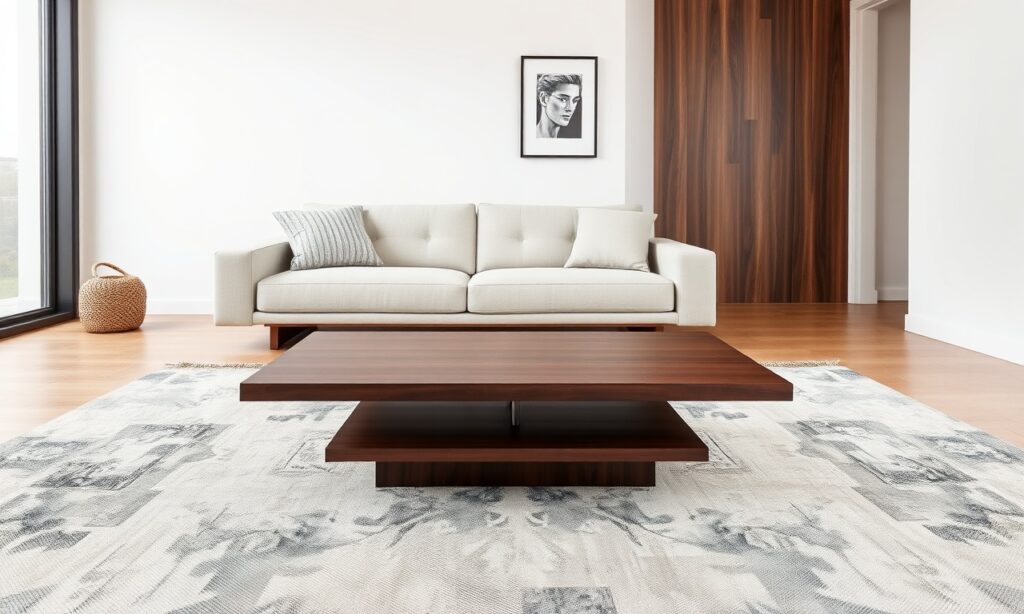
One of the most popular and impactful foldable furniture projects is the coffee table that can transform into a dining or work surface. These tables typically feature a lifting and extending mechanism, allowing the coffee table height to rise and the surface area to expand.
- Mechanism Mastery: The critical component here is the lifting mechanism. High-quality gas struts or robust scissor-lift mechanisms are essential for smooth operation and stability. Many hardware suppliers offer pre-fabricated lifting hardware kits that simplify the construction process.
- Material Selection: For the tabletop, consider durable yet lightweight materials. Plywood with a veneer finish, solid wood planks, or even high-pressure laminate can offer both aesthetics and resilience. The base can be constructed from solid wood, metal, or a combination, ensuring stability when the table is in its extended dining or work configuration.
- Design Considerations: Ensure the extended surface area is sufficient for its intended use – typically accommodating 4-6 people for dining. The folded state should be compact enough to function effectively as a coffee table, ideally with integrated storage for remote controls, magazines, or coasters.
The Space-Saving Wall-Mounted Desk and Shelving Unit
For those who work from home or require a dedicated study nook without sacrificing precious floor space, a wall-mounted foldable desk is an ingenious solution. Often, these units can be combined with integrated shelving.
- Folding Mechanism: This often involves a hinged tabletop that folds down from the wall, supported by folding legs or a sturdy bracket system. For a more integrated look, the desk can be part of a larger cabinet or shelving unit that conceals it when not in use.
- Ergonomics and Depth: Ensure the desk surface has adequate depth for a laptop, monitor, and writing materials. Standard desk depths range from 20 to 24 inches. Consider the height of the desk when folded down to ensure comfortable use.
- Integrated Storage: The beauty of a wall-mounted unit is the opportunity for built-in shelving above or around the desk. This provides space for books, stationery, and decorative items, making the unit a functional storage solution even when the desk is folded up.
The Multi-Functional Sofa Bed with Integrated Storage
While sofa beds are a common example of foldable furniture, modern iterations offer enhanced functionality and comfort, often incorporating significant storage space.
- Conversion Mechanism: Look for smooth, easy-to-operate conversion mechanisms. Click-clack, futon-style, or pull-out drawer systems are common. The ease of conversion is paramount for daily use.
- Storage Solutions: Many modern sofa beds feature hidden storage compartments beneath the seating cushions or within the frame. This is ideal for storing bedding, pillows, or even seasonal clothing.
- Comfort and Durability: Beyond the folding aspect, prioritize comfort and durability. High-density foam, quality upholstery, and a sturdy frame are essential for both sofa and bed functionality.
Materials and Craftsmanship: The Foundation of Quality
The longevity and aesthetic appeal of any foldable furniture project hinge significantly on the choice of materials and the quality of craftsmanship.
Wood and Wood Composites
- Solid Wood: Offers unparalleled durability, aesthetic appeal, and a sense of luxury. Hardwoods like oak, maple, and walnut are excellent choices for structural components and tabletops. However, they can be heavy and expensive.
- Plywood: A versatile and strong option, especially when made from high-quality birch or hardwood plies. It’s lighter than solid wood and offers excellent stability. Veneered plywood can mimic the look of solid wood at a lower cost.
- MDF (Medium-Density Fibreboard): Cost-effective and smooth, making it ideal for painted finishes or as a substrate for veneers. However, it’s susceptible to moisture damage and can be heavy.
Metal Components
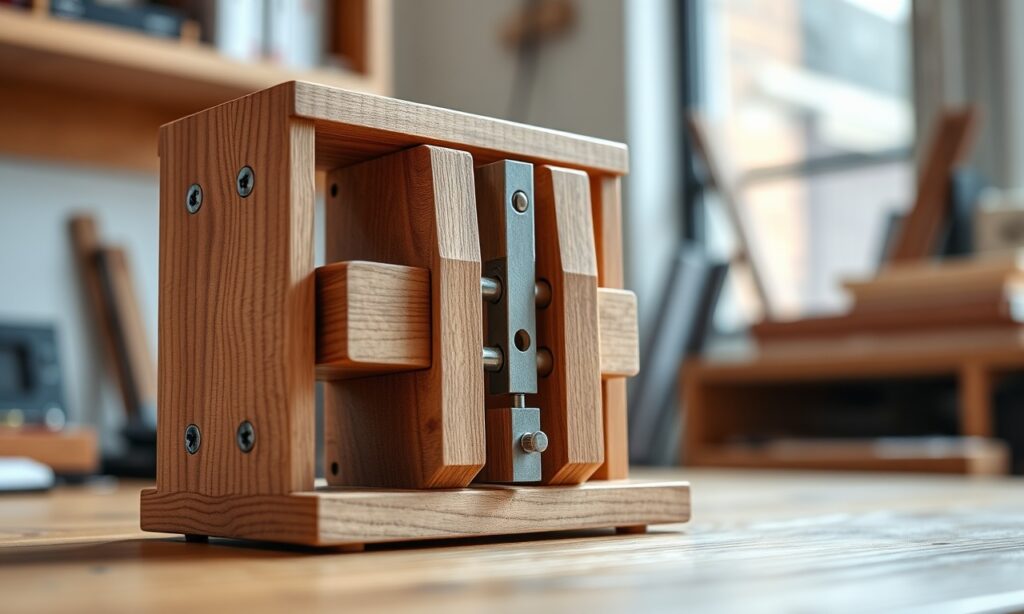
- Steel and Aluminum: Commonly used for frames, legs, and especially for the intricate mechanisms that enable folding and lifting. Steel offers strength and durability, while aluminum provides a lighter weight option. The quality of the plating or powder coating is crucial for rust resistance and aesthetics.
- Hardware: Hinges, brackets, gas struts, and locking mechanisms are the unsung heroes of foldable furniture. Investing in high-quality, precision-engineered hardware is non-negotiable for smooth operation and long-term reliability.
Upholstery and Fabrics
For sofa beds and seating elements, the choice of fabric impacts both comfort and durability. Performance fabrics that resist stains and wear are ideal for high-traffic areas. Consider breathability and texture for an inviting feel.
The Practicalities of Integration and Maintenance
Beyond the design and construction, successfully integrating foldable furniture into your home requires thoughtful consideration of practical aspects and ongoing maintenance.
Space Planning and Flow
Before committing to a foldable furniture piece, carefully assess how it will impact the flow and functionality of your room. Measure the space it occupies when folded and when deployed. Consider how easy it is to maneuver and operate, especially in tight quarters. A piece that requires a significant amount of clear space to unfold might negate its space-saving benefits.
Ergonomics and User Experience
Foldable furniture should not compromise on comfort or usability. When designing or selecting pieces, think about:
- Height and Reach: Ensure surfaces are at comfortable working or dining heights.
- Stability: The furniture must be stable and secure in all its configurations. A wobbly table or an unstable bed is not only inconvenient but potentially dangerous.
- Ease of Operation: Mechanisms should be smooth and require minimal effort to operate. Heavy or complex folding actions can discourage use.
Maintenance and Longevity
Regular maintenance is key to ensuring the longevity and continued smooth operation of your foldable furniture.
- Lubrication: Moving parts, hinges, and sliding mechanisms may require occasional lubrication with a silicone-based spray or appropriate lubricant to prevent squeaking and ensure smooth action.
- Cleaning: Follow the manufacturer’s recommendations for cleaning upholstery and surfaces. For wooden components, use a damp cloth and mild wood cleaner.
- Tightening Hardware: Periodically check and tighten any loose screws or bolts on the frame and mechanisms.
Foldable Furniture: A Sustainable Choice?
In an era where sustainability is paramount, foldable furniture can offer compelling environmental advantages. Its inherent multi-functionality and adaptability mean that one piece can serve multiple purposes, potentially reducing the need to purchase several single-use items. This reduces overall consumption and the associated manufacturing impact. Furthermore, by enabling people to live comfortably in smaller spaces, foldable furniture can indirectly contribute to reduced urban sprawl and lower energy consumption per capita. Choosing furniture made from sustainably sourced materials and employing durable construction techniques further enhances its eco-friendly credentials.
The Future of Foldable Furniture: Smart Integration and Customization
The evolution of foldable furniture is far from over. Emerging trends point towards greater integration with smart home technology, offering automated deployment and retraction. Imagine a desk that lowers itself when you approach with your laptop or a bed that folds away with a voice command. Furthermore, the rise of customization and modular design will allow users to tailor foldable solutions to their exact needs and aesthetic preferences, moving beyond off-the-shelf options to truly personalized living spaces. The focus will remain on creating furniture that is not only functional but also beautiful, intuitive, and smoothly connect into the fabric of modern living.
Key Takeaways: Mastering the Art of Foldable Furniture
- Dynamic Reconfiguration: Foldable furniture transforms spaces by allowing them to adapt to multiple uses, maximizing utility and flexibility.
- Material and Mechanism Quality: Invest in durable materials and reliable hardware for longevity, smooth operation, and safety.
- Practical Integration: Careful space planning, ergonomic design, and regular maintenance are crucial for optimal user experience.
- Aesthetic Harmony: Foldable pieces should complement your existing decor, offering both function and visual appeal.
Frequently Asked Questions
What are the primary benefits of using foldable furniture?
The primary benefits of foldable furniture are its ability to maximize space in smaller living areas, enhance room versatility by allowing for multiple uses of the same space, and improve organization by providing discreet storage solutions. It allows homeowners to adapt their living environment to changing needs, such as switching from a home office setup to a dining area or a relaxation zone with ease, leading to a more dynamic and less cluttered home.
How do I choose the right foldable furniture for my needs?
To choose the right foldable furniture, first assess your specific needs and the space you have available. Consider what functions you require the furniture to perform (e.g., dining, working, sleeping) and how much space it will occupy in both its folded and unfolded states. Prioritize pieces with robust, easy-to-use mechanisms, durable materials, and a design that complements your existing decor. Reading reviews and, if possible, testing the furniture in person can also be very helpful.
Are foldable furniture projects suitable for DIY enthusiasts?
Yes, foldable furniture projects can be very suitable for DIY enthusiasts, ranging from simple modifications of existing furniture to building custom pieces from scratch. Kits for transforming coffee tables into desks or wall-mounted folding desks are readily available. Success depends on your skill level, access to tools, and meticulous attention to detail, particularly when working with mechanisms and ensuring structural integrity for safety and stability.
What kind of maintenance is typically required for foldable furniture?
Typical maintenance for foldable furniture includes periodically checking and tightening hardware such as screws and bolts, lubricating moving parts like hinges and sliding mechanisms to ensure smooth operation, and regular cleaning of surfaces and upholstery according to manufacturer guidelines. For wooden parts, using appropriate wood cleaners and polishes will maintain their finish. Addressing any minor issues promptly can prevent larger problems and extend the lifespan of the furniture.
Can foldable furniture be as stylish and comfortable as traditional furniture?
Absolutely. Modern foldable furniture has moved far beyond its utilitarian origins. Designers are now creating pieces that are highly stylish, incorporating premium materials, sophisticated finishes, and contemporary aesthetics. Comfort is also a key consideration, with advancements in cushioning for sofa beds and ergonomic designs for desks and tables ensuring that foldable furniture can be just as comfortable and aesthetically pleasing as their non-folding counterparts, often with the added advantage of enhanced functionality.
Final Recommendations: Embracing Adaptability
The strategic integration of foldable furniture is more than a trend; it’s a sophisticated approach to modern living that prioritizes adaptability, efficiency, and an enhanced quality of life. By understanding the core principles, exploring innovative project ideas, and prioritizing quality in materials and craftsmanship, you can unlock the full potential of your living space. Whether you are a DIY enthusiast looking to craft a bespoke solution or a homeowner seeking to optimize a compact apartment, foldable furniture offers a compelling pathway to a more organized, functional, and aesthetically pleasing home. Embrace the ingenuity, experiment with designs that suit your lifestyle, and transform your environment into a space that truly works for you, effortlessly adapting to every moment.
See also: foldable furniture