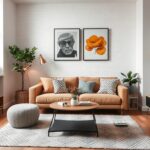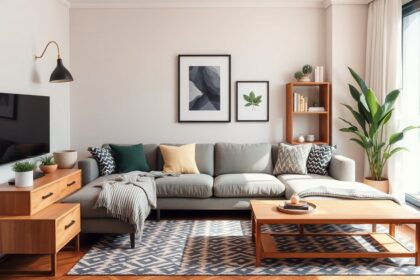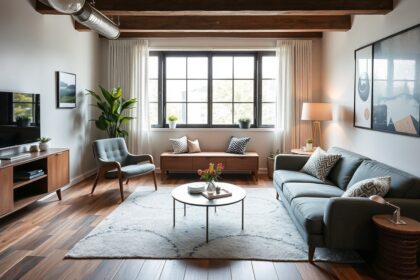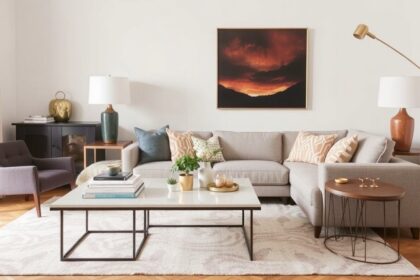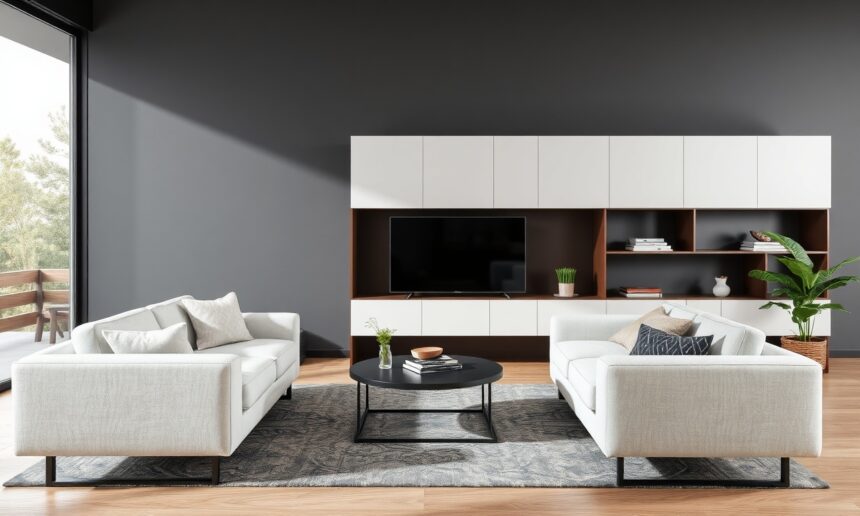
The idea that true elegance and efficiency in home design are mutually exclusive is a myth. In reality, the most sophisticated living spaces often derive their brilliance not from sheer opulence, but from ingenious spatial utilization and adaptive solutions. This is precisely where multifunctional furniture emerges not merely as a trend, but as a fundamental pillar of modern, intelligent living, capable of transforming cramped apartments and expansive estates alike into paragons of both form and function. It’s about embracing a philosophy where every piece serves a purpose beyond its primary one, where a single item can adapt to the dynamic needs of contemporary life.
- The Indispensable Role of Multifunctional Furniture in Modern Living
- Unlocking Space: The Genius of Transformative Design
- Beyond Space-Saving: The Multifaceted Advantages
- Navigating the World of Multifunctional Furniture: A Practical Guide
- Step 1: Assess Your Space and Needs
- Step 2: Explore Key Categories of Multifunctional Furniture
- Step 3: Prioritize Quality and Design
- Real-World Applications: Transforming Diverse Living Spaces
- The Psychology of Smart Design: How Multifunctional Furniture Impacts Well-being
- Future Trends in Multifunctional Furniture
- Frequently Asked Questions
- What are the main benefits of using multifunctional furniture?
- Is multifunctional furniture durable?
- How do I choose the right multifunctional furniture for my home?
- Can multifunctional furniture be stylish?
- What are some common examples of multifunctional furniture?
- Final Recommendations
Multifunctional furniture is the secret weapon for anyone seeking to maximize utility and inject a sense of effortless sophistication into their living environment.
The burgeoning appeal of smaller living spaces, coupled with a global shift towards minimalist aesthetics and a desire for greater adaptability in our homes, has propelled multifunctional furniture from a niche category to a mainstream necessity. It represents a paradigm shift in how we perceive and interact with our domestic environments. Instead of accumulating disparate pieces that serve singular functions, we are increasingly drawn to items that can intelligently morph, conceal, or combine, thereby unlocking latent potential within our homes. This approach not only salvates precious square footage but also fosters a sense of order and deliberate intention in our personal sanctuaries.
The Indispensable Role of Multifunctional Furniture in Modern Living
At its core, multifunctional furniture is about intelligent design that anticipates the diverse needs of its users. It’s the embodiment of the adage, “less is more,” but with a crucial caveat: it’s “less *stuff*, more *utility*.” In an era where open-plan living is prevalent and the lines between work, leisure, and relaxation blur, furniture that can seamlessly transition between different roles becomes invaluable. Consider the humble sofa bed: a classic example that has evolved dramatically. Modern iterations are not just functional but also aesthetically pleasing, often indistinguishable from their non-sleeping counterparts until needed.
Multifunctional furniture — Wikipedia
This adaptability is the hallmark of smart design, ensuring that your living space can cater to an impromptu guest just as readily as it can host a casual evening gathering.
The economic and environmental benefits are also significant. Investing in a few well-chosen multifunctional pieces can often be more cost-effective than purchasing multiple single-purpose items. Furthermore, it aligns with a more sustainable lifestyle by reducing consumption and the need for frequent replacements. Research suggests a substantial potential for decluttering and more mindful consumption through smart furniture choices. This aligns perfectly with the ethos of multifunctional furniture, promoting a less cluttered, more purposeful existence.
Unlocking Space: The Genius of Transformative Design
The most apparent benefit of multifunctional furniture is its unparalleled ability to conserve and create space. In urban environments where square footage is at a premium, this is not just a convenience; it’s a necessity. Think of a compact studio apartment: a dining table that folds away into a wall unit, a coffee table that lifts to become a workspace, or ottomans with hidden storage. These aren’t just clever tricks; they are fundamental design strategies that empower inhabitants to reclaim their living areas. The psychological impact of a less cluttered, more organized space is profound, contributing to reduced stress and enhanced well-being.
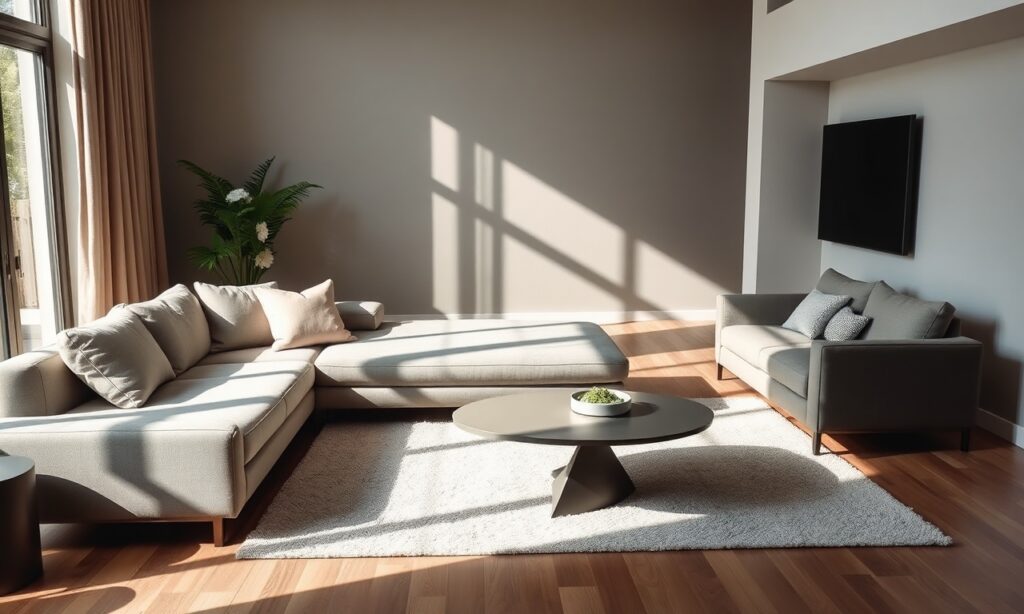
Take, for instance, the concept of a murphy bed. Once a cumbersome mechanism, modern murphy beds are sleek, integrated systems that disappear into a wall or cabinet, freeing up an entire room for daytime use. This single piece of furniture can transform a home office into a guest bedroom overnight. Similarly, modular seating systems can be reconfigured to form sofas, armchairs, or even daybeds, adapting to the size and shape of the room and the needs of the moment. These transformations are not merely about saving space; they are about maximizing the *potential* of the space, allowing for greater flexibility and a richer living experience.
Beyond Space-Saving: The Multifaceted Advantages
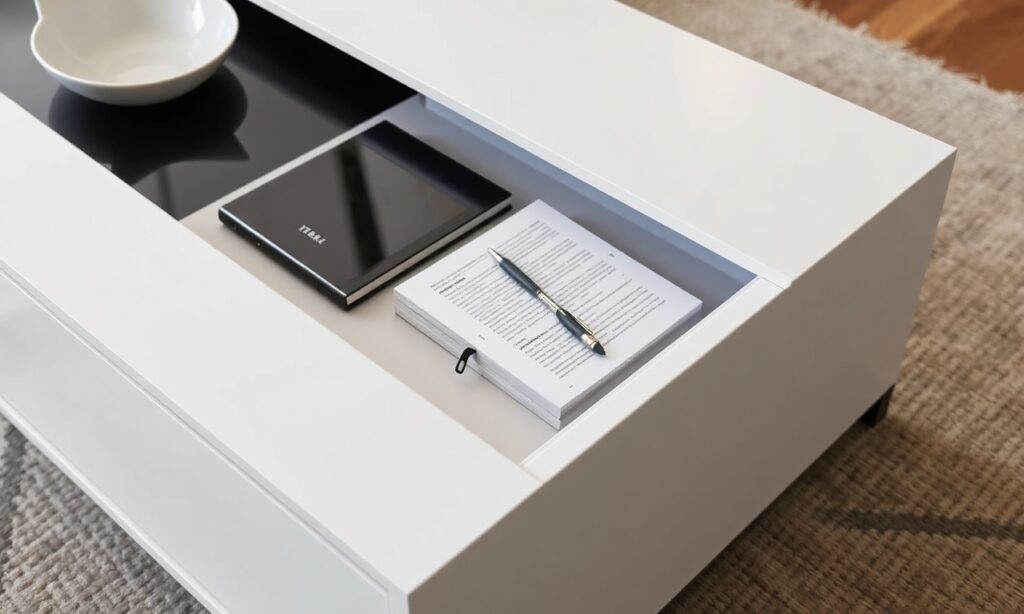
While space optimization is a primary driver, the advantages of multifunctional furniture extend far beyond mere spatial efficiency. These pieces often incorporate innovative storage solutions, negating the need for separate shelving units or chests of drawers. Beds with built-in drawers or lift-up mechanisms can discreetly house linens, seasonal clothing, or extra bedding. Coffee tables with hidden compartments are perfect for stowing away remote controls, magazines, or even a laptop. This integrated storage contributes to a cleaner, more streamlined aesthetic, reducing visual clutter and enhancing the overall sense of calm in a home.
Furthermore, multifunctional furniture can significantly enhance the utility and comfort of a room. A sofa that reclines into a chaise lounge or a bed provides versatile seating and relaxation options. A dining table that extends can accommodate larger gatherings without permanently occupying a vast footprint. These pieces are designed with user experience at the forefront, offering adaptability without compromising on comfort or style. Research published in design journals often highlights how well-designed, adaptable spaces can positively influence mood and productivity, underscoring the holistic benefits of thoughtfully chosen furniture.
Navigating the World of Multifunctional Furniture: A Practical Guide
The sheer variety of multifunctional furniture available today can be overwhelming. To make informed choices, it’s essential to approach selection with a clear understanding of your specific needs and the layout of your home.
Step 1: Assess Your Space and Needs
Before you even begin browsing, conduct a thorough assessment of your living situation.
- Identify Problem Areas: Where do you feel space is most constricted? Is it the living room, bedroom, or perhaps a home office? Pinpointing these areas will guide your furniture search.
- Define Your Lifestyle: How do you typically use your space? Do you entertain often? Do you work from home? Do you have children? Your daily routines and habits are crucial indicators of the type of multifunctional furniture that will be most beneficial.
- Measure Meticulously: Accurate measurements are paramount. Note down the dimensions of your rooms, including windows, doors, and any architectural features. This will prevent costly mistakes and ensure a seamless fit.
Step 2: Explore Key Categories of Multifunctional Furniture
Understanding the different types available will help you target your search effectively.
- Sleeping Solutions: Beyond the classic sofa bed, consider daybeds that can function as seating and a guest bed, or wall beds (murphy beds) that retract entirely. Futons and trundle beds also offer excellent space-saving sleeping options.
- Seating with Storage: Ottomans, benches, and storage sofas are invaluable for their dual purpose. They provide extra seating while cleverly concealing items like blankets, toys, or books.
- Tables with Hidden Talents: Coffee tables that lift to become dining or work surfaces, nesting tables that can be expanded or stacked, and console tables that unfold into full dining tables are highly practical.
- Storage & Display Units: Bookshelves that incorporate desks, wall units with hidden beds or tables, and cabinets that can be reconfigured for different uses offer immense flexibility.
Step 3: Prioritize Quality and Design
Investing in multifunctional furniture is an investment in your home’s functionality and aesthetics.
- Material Matters: Opt for durable materials that can withstand frequent transformation and use. Solid wood, high-quality metal, and robust upholstery fabrics are excellent choices.
- Mechanism Check: If the furniture involves moving parts (like lifting tables or unfolding beds), ensure the mechanisms are smooth, secure, and easy to operate. Test them if possible.
- Aesthetic Cohesion: While functionality is key, don’t sacrifice style. Choose pieces that complement your existing decor and enhance the overall ambiance of your home.
Real-World Applications: Transforming Diverse Living Spaces
The adaptability of multifunctional furniture makes it suitable for a wide array of living situations.
Small Apartments and Studios
For residents of compact dwellings, every inch counts. A sofa that converts into a bed eliminates the need for a separate guest room. A wall-mounted folding desk can be stowed away when not in use, preserving valuable floor space in the living area. A dining table that extends from a console against the wall can transform a narrow hallway or living room corner into a functional dining space for a few people, or a larger gathering when fully extended. This strategic use of convertible furniture allows small spaces to feel significantly larger and more versatile.
Growing Families
As families expand, so do their needs for adaptable living areas. Multifunctional furniture can help manage clutter and provide flexible solutions. A toy chest that doubles as a bench offers seating and storage for children’s toys. A modular shelving unit can be reconfigured as children grow, transitioning from a baby’s room to a teenager’s den. Dining tables that extend can accommodate visiting grandparents or friends during holidays. The ability of furniture to adapt to evolving family needs reduces the frequency of costly furniture replacements.
Home Offices and Hybrid Workspaces
The rise of remote work has made multifunctional furniture indispensable for creating effective home offices. A desk that folds into a cabinet keeps work materials out of sight when not in use, maintaining a clean and serene living environment. A comfortable sofa can double as a secondary workspace or a place for informal meetings. Storage units that integrate desks and shelving allow for a dedicated workspace that can be seamlessly incorporated into a living room or bedroom without compromising the room’s primary function.
The Psychology of Smart Design: How Multifunctional Furniture Impacts Well-being
Beyond the tangible benefits of space and utility, multifunctional furniture also has a subtle yet significant impact on our psychological well-being. A well-organized home, facilitated by furniture that helps maintain order, can lead to reduced stress and anxiety. The ability to transform a space from a work environment to a relaxation zone with a few simple adjustments can enhance work-life balance and promote a greater sense of control over one’s surroundings. This psychological comfort is a critical, often overlooked, benefit of embracing smart design principles.
Moreover, multifunctional furniture encourages intentionality in how we use our homes. By choosing pieces that serve multiple purposes, we are making a conscious decision to live more efficiently and with less clutter. This mindful approach to consumption and living can foster a deeper appreciation for our spaces and the items within them. Psychologists suggest that environments that are organized and adaptable can boost creativity and reduce feelings of overwhelm, making multifunctional furniture a tool not just for spatial management, but for mental well-being.
Future Trends in Multifunctional Furniture
The innovation in multifunctional furniture is far from over. We are seeing a growing integration of technology, with pieces that incorporate charging ports, smart lighting, and even responsive surfaces. The emphasis on sustainability is also driving the use of recycled and eco-friendly materials, alongside designs that are built for longevity and ease of repair. Expect to see more modular systems that can be endlessly reconfigured, as well as furniture that adapts to different user heights and needs, further blurring the lines between form, function, and future-proofing our homes. The concept of “smart homes” is increasingly extending to the very furniture that inhabits them, promising an even more integrated and adaptive living experience.
Frequently Asked Questions
What are the main benefits of using multifunctional furniture?
The primary advantages include significant space-saving, enhanced utility, improved organization, cost-effectiveness by reducing the need for multiple items, and a more adaptable living environment that can cater to diverse needs and lifestyles. It also contributes to a more streamlined aesthetic and can positively impact psychological well-being by reducing clutter and stress.
Is multifunctional furniture durable?
The durability of multifunctional furniture varies depending on the quality of its design and materials. High-quality pieces, crafted from robust materials like solid wood, metal, and durable upholstery, with well-engineered mechanisms, can be just as durable, if not more so, than traditional single-purpose furniture. It’s crucial to research brands and read reviews to ensure you are investing in well-made items.
How do I choose the right multifunctional furniture for my home?
Start by assessing your specific space constraints and lifestyle needs. Identify the rooms or areas where space is most limited or utility is most lacking. Consider how you use your space daily and what functions you need furniture to perform. Measure your space accurately and prioritize quality, durability, and aesthetic appeal that complements your existing decor.
Can multifunctional furniture be stylish?
Absolutely. The market for multifunctional furniture has evolved considerably, moving far beyond purely utilitarian designs. Today, you can find a vast array of stylish, contemporary, and even luxurious options that seamlessly blend functionality with high-end aesthetics. Many designers are now focusing on creating pieces that are as beautiful as they are practical, ensuring that smart design doesn’t mean sacrificing personal style.
What are some common examples of multifunctional furniture?
Common examples include sofa beds, ottomans with hidden storage, coffee tables that lift to become desks or dining tables, nesting tables, extendable dining tables, beds with built-in drawers or lift-up storage, and wall units that incorporate desks or beds. Modular seating systems that can be reconfigured are also a popular choice.
Final Recommendations
Embracing multifunctional furniture is not merely about outfitting your home; it’s about adopting a smarter, more intentional way of living. It’s proof of human ingenuity, proving that with thoughtful design, even the most limited spaces can become havens of comfort, efficiency, and style. By carefully assessing your needs, exploring the diverse options available, and prioritizing quality, you can unlock the full potential of your home, creating a living environment that is as dynamic and adaptable as your own life. The journey towards a smarter home begins with the intelligent choices you make about the furniture that inhabits it.
See also: multifunctional furniture