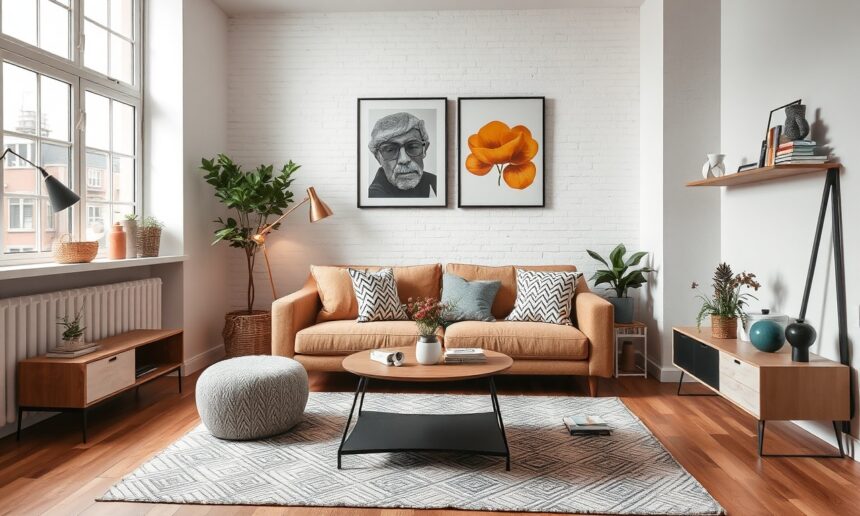
The Allure and Challenge of the Studio Apartment
The compact living revolution is undeniably here, and at its heart lies the studio apartment. For many, it represents a strategic choice—a more affordable entry into desirable urban neighborhoods, a commitment to a minimalist lifestyle, or simply a practical solution for a transient phase of life. Yet, the inherent charm of a studio, with its open-plan design and perceived simplicity, often belies the significant challenges it presents to efficient and comfortable living. The very lack of distinct rooms that defines a studio can quickly devolve into a chaotic jumble of functions—bedroom bleeding into living area, kitchen encroaching on workspace. This isn’t merely an aesthetic concern; it’s a fundamental issue of mental well-being and daily functionality.
- The Allure and Challenge of the Studio Apartment
- The Foundation: Understanding Your Studio’s Potential
- Furniture: The Multi-Functional Marvels
- The Illusionists: Mirrors and Lighting
- Maximizing Kitchen and Bathroom Efficiency
- The Art of Illusion: Creating Depth and Dimension
- Frequently Asked Questions
- What are the most important considerations when designing a studio apartment?
- How can I make my studio apartment feel larger without expensive renovations?
- What type of furniture is best suited for a studio apartment?
- How do I effectively divide the sleeping area from the living area in a studio?
- What are some smart storage solutions for a small studio apartment?
- Final Recommendations for Studio Apartment Success
When it comes to studio apartment, How can one foster a sense of sanctuary and distinct zones when the walls are, quite literally, absent?
This is where the art of studio apartment design transcends mere decoration and enters the realm of spatial engineering and psychological understanding. It’s about creating illusions of space, implementing clever multi-functional furniture, and establishing visual and functional dividers that bring order and purpose to every square inch. The goal is not simply to *fit* everything in, but to make the space *work* for you, enhancing your quality of life rather than detracting from it. Mastering the studio apartment is less about acquiring more things and more about strategically curating and arranging what you have, transforming perceived limitations into opportunities for creative and sophisticated living.
Mastering a studio apartment is about transforming perceived limitations into opportunities for creative and sophisticated living. It’s proof of intentionality in design and daily life.
Key Insights & Takeaways
- Strategic Zoning is Paramount: Utilize furniture, rugs, and lighting to delineate distinct functional areas (sleeping, living, working, dining) within the open plan.
- Embrace Multi-Functionality: Invest in furniture that serves multiple purposes, such as sofa beds, storage ottomans, and extendable tables, to maximize utility.
- Vertical Space is Your Ally: Employ tall shelving units, wall-mounted storage, and loft beds to draw the eye upward and utilize often-overlooked vertical real estate.
- Mirrors and Light are Illusionists: Strategically placed mirrors and thoughtful lighting schemes can dramatically expand the perceived size of a studio.
The Foundation: Understanding Your Studio’s Potential
Before embarking on any transformative design choices, a deep understanding of your specific studio apartment is crucial. This involves not just measuring the dimensions, but also analyzing the flow of natural light, identifying existing architectural features that can be leveraged (like alcoves or built-in shelving), and critically assessing your personal lifestyle needs. Are you a homebody who entertains frequently, or do you require a dedicated, quiet workspace? Do you have an extensive wardrobe, or do you subscribe to a capsule collection? Answering these questions honestly will inform every subsequent decision, ensuring that your maximized space is not just aesthetically pleasing but also deeply functional and tailored to your unique rhythm of life.
In the context of studio apartment, Furthermore, consider the psychological impact of color and texture. Lighter, cooler color palettes tend to recede, making walls appear further apart, thus creating an illusion of greater spaciousness. Conversely, darker or warmer tones can make a space feel more intimate and cozy, which, while desirable in certain zones, can be detrimental to the overall feeling of openness in a small apartment. Textural variety, however, can add depth and interest without sacrificing perceived space. Think about incorporating different materials like natural wood, woven fabrics, and polished metals to create visual richness.
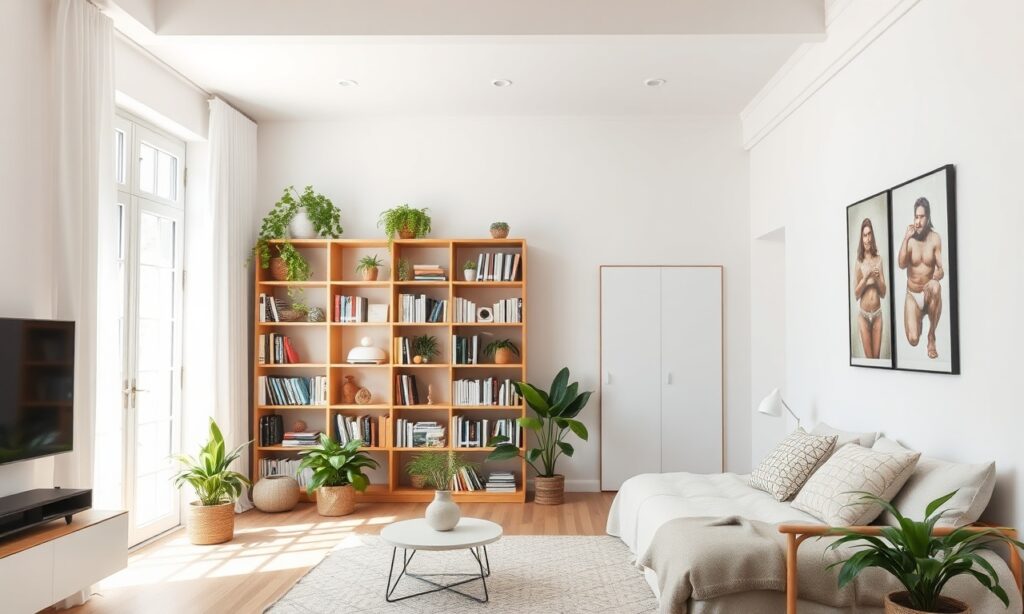
Deconstructing the Open Plan: The Power of Zones
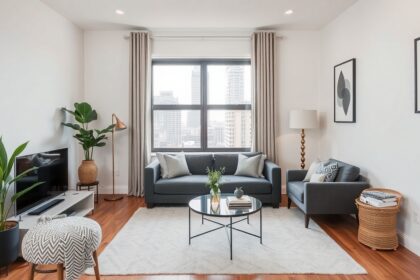
The most significant challenge in a studio apartment is the lack of inherent separation. To combat this, the concept of “zoning” becomes your most powerful tool. This isn’t about building walls, but about creating distinct areas for different activities through visual and functional cues. A well-defined living area, for instance, can be anchored by a plush area rug, a comfortable sofa, and a coffee table. Adjacent to this, a dining nook might be established with a smaller, round table and chairs, perhaps positioned near a window. The sleeping area, often the most sensitive to privacy, can be subtly sectioned off using a strategically placed bookshelf, a decorative screen, or even a substantial curtain system.
Around studio apartment, The effectiveness of these zones is amplified by thoughtful lighting. Task lighting—such as a pendant light over a dining table or a floor lamp beside a reading chair—can subtly define an area’s purpose. Ambient lighting, like strategically placed floor or table lamps, can create a cohesive mood across the entire space, while accent lighting can highlight specific features or zones. Research suggests that distinct spatial configurations can positively impact mood and cognitive function, underscoring the importance of well-defined zones even in compact living environments.
Furniture: The Multi-Functional Marvels
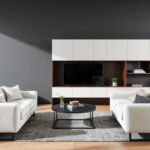
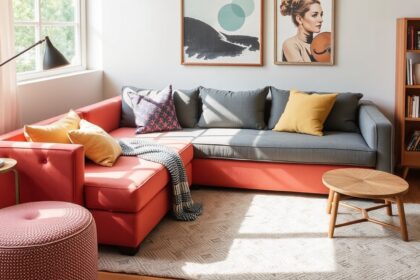
In a studio apartment, every piece of furniture must earn its keep, and often, it needs to do the work of two or three items. This is where the magic of multi-functional furniture truly shines. A sofa that converts into a comfortable bed is a staple, instantly transforming your living room into a guest bedroom. Storage ottomans provide both seating and discreet space for blankets, books, or electronics. Expandable dining tables are invaluable; they can serve as compact consoles when not in use, then unfurl to accommodate guests for meals.
Regarding studio apartment, Consider wall-mounted solutions extensively. Floating shelves can hold books, decor, and even serve as a minimalist media unit without encroaching on floor space. A wall-mounted desk can be folded away when not needed, freeing up valuable room. Look for beds with built-in drawers or those that can accommodate under-bed storage containers. The key is to select pieces that are not only utilitarian but also aesthetically pleasing, ensuring they contribute to, rather than detract from, your desired ambiance.
Leveraging Vertical Space: The Unsung Hero
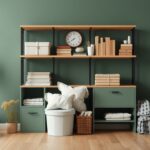
Many studio apartments suffer from underutilized vertical real estate. Tall, slender shelving units can draw the eye upward, creating an illusion of height and providing substantial storage without a large footprint. Consider the power of wall-mounted cabinets, especially in the kitchen area, to store essentials out of sight. Even the space above doorways can be utilized for shallow shelving for less frequently accessed items.
When it comes to studio apartment, Loft beds are a classic solution for maximizing floor space in a studio, effectively creating two distinct zones: a sleeping area above and a living or workspace below. Even if a full loft bed isn’t feasible, a raised platform bed with integrated storage can offer similar benefits. Think creatively about the space above your wardrobe, your kitchen cabinets, and even your windows. Utilizing wall-mounted organizers for everything from spices in the kitchen to toiletries in the bathroom can clear precious counter space, making the entire apartment feel more open and tidy.
The Illusionists: Mirrors and Lighting
The strategic deployment of mirrors and a well-thought-out lighting scheme can profoundly impact the perceived spaciousness of a studio apartment. Mirrors are unparalleled in their ability to reflect light and create the illusion of depth. Placing a large mirror opposite a window can effectively double the natural light in a room and visually extend the space. Even smaller decorative mirrors, strategically positioned, can bounce light around and add a touch of sparkle.
In the context of studio apartment, Lighting is equally critical. Harsh, overhead lighting can make a small space feel stark and uninviting. Instead, opt for layered lighting that includes ambient, task, and accent lighting. Floor lamps, table lamps, and wall sconces can create warm, inviting pools of light, breaking up the space and adding visual interest. Dimmers are an excellent addition, allowing you to adjust the mood and intensity of the light to suit different activities and times of day. Consider strip lighting under cabinets or behind furniture for a subtle, modern glow that enhances the sense of depth.
Color Psychology and Visual Flow
The color palette you choose for your studio apartment can significantly influence its perceived size. As mentioned, lighter, cooler colors like soft blues, greens, and off-whites tend to recede, making walls appear further away. This creates an airy, open feel. However, this doesn’t mean your studio has to be bland. You can introduce warmth and personality through accent colors in your decor, textiles, or a single feature wall.
Maintaining visual flow is also crucial. Try to keep the color palette consistent throughout the main living area to avoid visually chopping up the space. When introducing different colors or textures, ensure they transition smoothly. For instance, if you have a wooden floor in one area, extending a similar wood tone or a complementary material into the adjacent zone can create a sense of continuity. The goal is to guide the eye seamlessly through the space, making it feel larger and more cohesive.
Studies suggest that the perception of room size can be influenced by color; specifically, rooms painted with lighter shades were perceived as larger and more spacious compared to those painted with darker or more saturated colors.
Maximizing Kitchen and Bathroom Efficiency
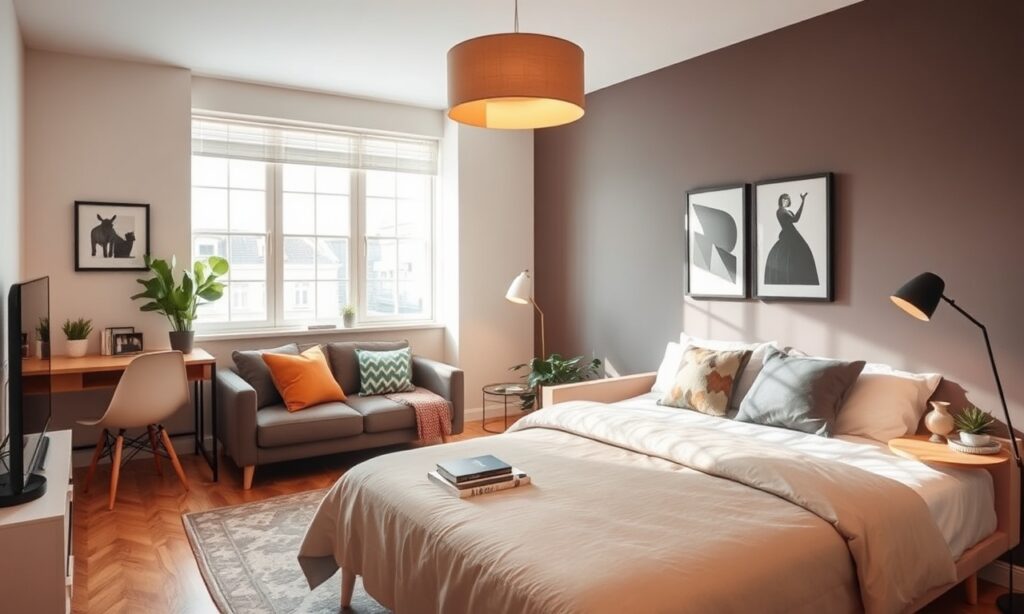
Even in a compact studio, the kitchen and bathroom require careful planning to ensure functionality. In the kitchen, think vertically. Utilize wall-mounted pot racks, magnetic knife strips, and tiered shelving units within cabinets to maximize storage. Opt for slim-profile appliances where possible. Consider a rolling kitchen cart that can provide extra counter space and storage, and can be moved out of the way when not in use. A well-organized pantry, even a small one, is crucial for keeping essentials tidy.
For the bathroom, wall-mounted vanities can create the illusion of more floor space. Utilize the space behind the door for towel racks or hanging organizers. Over-the-toilet storage units are invaluable for maximizing vertical storage in a small footprint. Ensure ample lighting to make the space feel bright and clean. If possible, opt for a shower with a clear glass door rather than a curtain, as this creates a more seamless visual flow and makes the bathroom appear larger.
The Art of Illusion: Creating Depth and Dimension
Beyond mirrors and light, other design elements can contribute to the illusion of depth. Using different textures can add visual interest and prevent a small space from feeling monotonous. For example, a textured rug in the living area, a smooth finish on a coffee table, and a woven throw on the sofa can create dimension.
Arranging furniture strategically is also important. Avoid pushing all your furniture against the walls; pulling pieces slightly away can sometimes create a sense of more open space. Consider the scale of your furniture. Oversized pieces will overwhelm a small studio, while appropriately scaled items will fit seamlessly and enhance the flow. Artwork can also play a role; a single, large piece of art can make a statement and draw the eye, creating a focal point, whereas too many small pieces can make a wall feel cluttered.
Incorporating Greenery: Bringing Life In
Plants can dramatically enhance the atmosphere of any living space, and studios are no exception. They add color, texture, and a sense of life. In a studio, however, it’s important to choose plants that are appropriately sized and strategically placed. Hanging plants can utilize vertical space without taking up floor area. Tall, slender plants can draw the eye upward, contributing to the illusion of height. Smaller potted plants can adorn shelves and windowsills, adding pops of color and freshness.
Consider low-maintenance plants if you don’t have a green thumb. Succulents, snake plants, and ZZ plants are hardy and require minimal care. The presence of greenery can also have a positive psychological impact, contributing to a sense of well-being and making the space feel more inviting and serene.
Frequently Asked Questions
What are the most important considerations when designing a studio apartment?
The most critical considerations revolve around maximizing functionality and creating distinct zones for living, sleeping, and working. This involves strategic furniture selection (multi-functional pieces are key), effective use of vertical space for storage, and thoughtful application of lighting and mirrors to create an illusion of spaciousness. Personal lifestyle needs should guide every decision to ensure the space is not just visually appealing but also practical for daily living.
How can I make my studio apartment feel larger without expensive renovations?
You can make a studio feel larger through clever design choices. Use a light and neutral color palette, strategically place mirrors to reflect light and create depth, and opt for furniture with clean lines and a smaller footprint. Employing vertical storage solutions, such as tall bookshelves or wall-mounted units, draws the eye upward. Layered lighting and clear visual flow between areas also contribute significantly to the perception of space.
What type of furniture is best suited for a studio apartment?
The best furniture for a studio apartment is multi-functional and space-saving. This includes sofa beds, storage ottomans, expandable dining tables, nesting coffee tables, and wall-mounted desks or shelves. Furniture with a smaller visual footprint, such as pieces with exposed legs, can also make a space feel more open. Prioritize items that can serve multiple purposes to reduce clutter and enhance utility.
How do I effectively divide the sleeping area from the living area in a studio?
Effective division can be achieved without permanent walls. Consider using a tall, open bookshelf as a partial divider, allowing light to pass through while still delineating the spaces. A decorative screen, a substantial floor-to-ceiling curtain, or even a strategically placed large plant can also serve as a visual and functional separator. Rugs can also be used to define different zones; placing one in the living area and another in the bedroom can create distinct areas.
What are some smart storage solutions for a small studio apartment?
Smart storage solutions include utilizing vertical space with tall shelves, wall-mounted cabinets, and hanging organizers. Under-bed storage is invaluable, as are furniture pieces with built-in storage, like storage beds and ottomans. Creative solutions like over-the-door organizers, magnetic strips for knives in the kitchen, and tiered shelving within cabinets can maximize every inch. Decluttering regularly is also a crucial ongoing storage strategy.
Final Recommendations for Studio Apartment Success
Transforming a studio apartment from a mere living space into a functional, stylish sanctuary is an achievable goal. It requires a shift in perspective – viewing each element not just for its primary function, but for its potential to enhance space, light, and organization. Prioritize pieces that offer dual utility, embrace the often-overlooked potential of vertical real estate, and harness the transformative power of light and mirrors. Remember that intentionality is key; every item should serve a purpose, whether it’s functional or aesthetic, contributing to a cohesive and inviting environment. By implementing these expert strategies, you can unlock the full potential of your studio, creating a home that feels expansive, comfortable, and uniquely yours.
See also: studio apartment