The Silent Tyranny of Horizontal Clutter
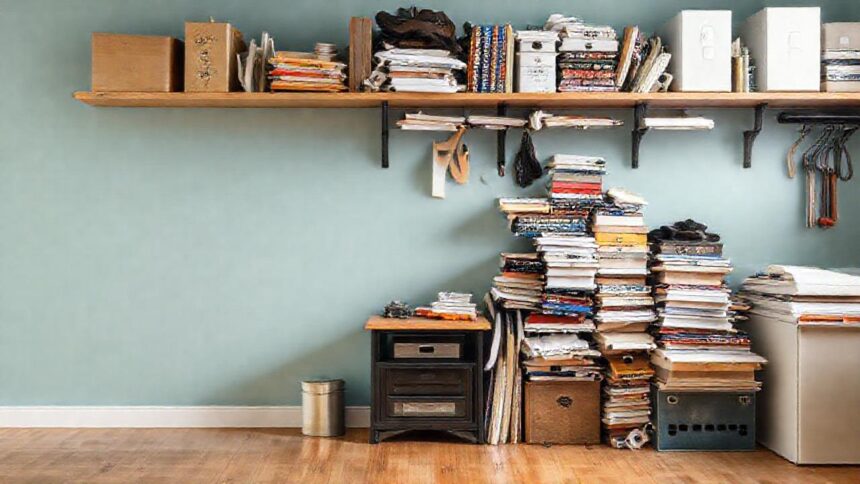
Picture this: you’re searching for that one crucial item—a document, a tool, a favorite book—and instead of finding it readily, you’re met with an overwhelming landscape of horizontal surfaces. Desks buried under stacks, countertops groaning under appliances, floors becoming repositories for forgotten items. This isn’t just an aesthetic problem; it’s a pervasive drain on our mental energy and productivity. We often fall into the trap of thinking that more space is the answer, when in reality, the solution often lies not in expanding outwards, but in looking upwards. This is where the profound, often underestimated, power of vertical storage comes into play.
- The Silent Tyranny of Horizontal Clutter
- Vertical Storage: A Strategic Imperative for Modern Living
- The Science and Art of Vertical Storage Solutions
- Leveraging Wall Space: Shelving Systems and Wall-Mounted Solutions
- The Power of Tall Furniture and Stackable Containers
- Harnessing the Unseen: Under-Shelf Baskets and Drawer Inserts
- Vertical Storage in Action: Practical Applications Across the Home
- Kitchens: The Epicenter of Vertical Efficiency
- Closets and Bedrooms: Reclaiming Your Wardrobe
- Living Areas and Home Offices: Combating Surface Clutter
- Garages and Workshops: The Ultimate Frontier for Verticality
- Choosing the Right Vertical Storage Solutions: Factors to Consider
- Assessing Your Needs and Inventory
- Material and Durability: Investing for the Long Term
- Aesthetics and Integration with Your Decor
- Safety Considerations: Anchoring and Weight Distribution
- Maximizing Your Space: Advanced Vertical Storage Strategies
- Modular Systems and Customizable Solutions
- Hidden Storage and Multi-Functional Furniture
- The Use of Vertical Space in Small Apartments
- Vertical Gardens and Living Walls
- Frequently Asked Questions
- What is the primary advantage of vertical storage?
- How can I make vertical storage look aesthetically pleasing?
- Is vertical storage suitable for all types of items?
- What are the safety considerations for tall vertical storage units?
- How do I start implementing vertical storage in my home?
- Final Recommendations for an Organized Vertical Life
Wikipedia: Contents — Wikipedia
It’s a fundamental shift in perspective, transforming unused air into valuable, accessible real estate within our homes and workplaces.
Vertical Storage: A Strategic Imperative for Modern Living
Vertical storage isn’t merely about stacking things higher; it’s a strategic approach to spatial organization that leverages the often-ignored vertical dimension. In an era where living spaces are frequently at a premium, and the sheer volume of our possessions seems to grow exponentially, mastering vertical storage becomes less of a lifestyle choice and more of an imperative. It’s about reclaiming your environment, creating order from chaos, and enhancing the functionality of every room. This approach fundamentally redefines what it means to have “enough space.” It’s not about the square footage, but how intelligently and effectively you utilize every cubic foot.
“The most effective way to combat clutter isn’t by acquiring more storage, but by intelligently utilizing the space you already have, particularly by looking upwards.”
The Psychological and Practical Benefits of Going Vertical
The advantages of adopting a robust vertical storage strategy extend far beyond mere tidiness. Psychologically, a well-organized space can significantly reduce stress and improve focus. When items have designated homes, the mental energy spent searching for them is liberated, allowing for greater concentration on tasks or relaxation. Practically, it enhances accessibility. Items stored vertically are often more visible and easier to retrieve than those buried in deep drawers or piled high. This is particularly beneficial in kitchens, workshops, or garages where quick access to tools and ingredients is paramount. Furthermore, vertical storage can create a sense of spaciousness, making even compact areas feel larger and more open by clearing horizontal surfaces.
Key Takeaways:
- Strategic Space Utilization: Vertical storage transforms unused air into functional storage, crucial for maximizing limited living or working areas.
- Reduced Stress and Improved Focus: An organized environment, facilitated by vertical solutions, significantly lowers mental clutter and enhances productivity.
- Enhanced Accessibility: Items stored vertically are typically more visible and easier to retrieve, saving time and reducing frustration.
- Aesthetic Improvement: Clearing horizontal surfaces through vertical organization can make spaces appear larger, cleaner, and more visually appealing.
The Science and Art of Vertical Storage Solutions
Implementing effective vertical storage requires a blend of practical design principles and an understanding of how we interact with our environment. It’s about thoughtfully selecting and arranging elements that allow us to store items efficiently along walls, from floor to ceiling. This isn’t a one-size-fits-all solution; the best approach is tailored to the specific needs of the space and its occupants. Whether it’s a minimalist apartment or a sprawling family home, the core idea remains the same: to harness the vertical plane.
Leveraging Wall Space: Shelving Systems and Wall-Mounted Solutions
Walls are the most obvious canvas for vertical storage. The ubiquity of shelving systems, from simple floating shelves to elaborate built-in units, underscores their importance. Floating shelves offer a clean, modern aesthetic and are excellent for displaying decorative items or storing frequently used books and decorative pieces. For heavier items or more substantial storage needs, sturdy wall-mounted shelving units are indispensable. These can range from industrial-style metal racks in garages to elegant wooden bookcases in living rooms. The key is to ensure they are securely anchored to the wall, especially when supporting significant weight.
Beyond static shelving, wall-mounted organizers provide dynamic solutions. Pegboards, for instance, are incredibly versatile, allowing for the customization of tool storage in workshops or craft supplies in creative spaces. Magnetic strips can hold knives in kitchens or small metal tools in garages. Over-the-door organizers, often overlooked, can add substantial storage for shoes, cleaning supplies, or pantry items without consuming floor space. The strategic placement of these elements can dramatically alter the functionality of a room.
The Power of Tall Furniture and Stackable Containers
When it comes to furniture, opting for taller, slimmer pieces is a prime example of embracing verticality. A tall, narrow bookcase can hold more books than a wide, short one, occupying a similar floor footprint. Wardrobes and cabinets that reach towards the ceiling are essential for maximizing clothing and linen storage in bedrooms and hallways. The upper shelves in these units, while sometimes harder to reach, are ideal for storing seasonal items or things used infrequently.
Stackable containers are another cornerstone of effective vertical storage, particularly in pantries, closets, and playrooms. Clear, uniform containers allow for easy identification of contents and can be stacked securely to create stable vertical towers. This not only maximizes shelf space but also creates a visually cohesive and organized appearance. For items that aren’t uniform in shape, like toys or craft supplies, fabric bins and baskets that can be nested or stacked offer a flexible solution.
Harnessing the Unseen: Under-Shelf Baskets and Drawer Inserts
Often, the space *between* shelves or within drawers remains underutilized. Under-shelf baskets, designed to hook onto existing shelves, create an extra layer of storage, perfect for lighter items like napkins, cleaning cloths, or small snacks. These effectively double the storage capacity of a single shelf. Similarly, drawer inserts and dividers are crucial for vertical organization *within* drawers. Instead of a jumbled mess, dividers allow you to create compartments for cutlery, socks, undergarments, or office supplies, ensuring that everything has its place and can be found at a glance. This prevents the common problem of a drawer becoming a black hole where items disappear.
Vertical Storage in Action: Practical Applications Across the Home
The principles of vertical storage can be applied universally, transforming even the most challenging spaces into models of efficiency. Understanding specific room needs allows for the most impactful implementation.
Kitchens: The Epicenter of Vertical Efficiency
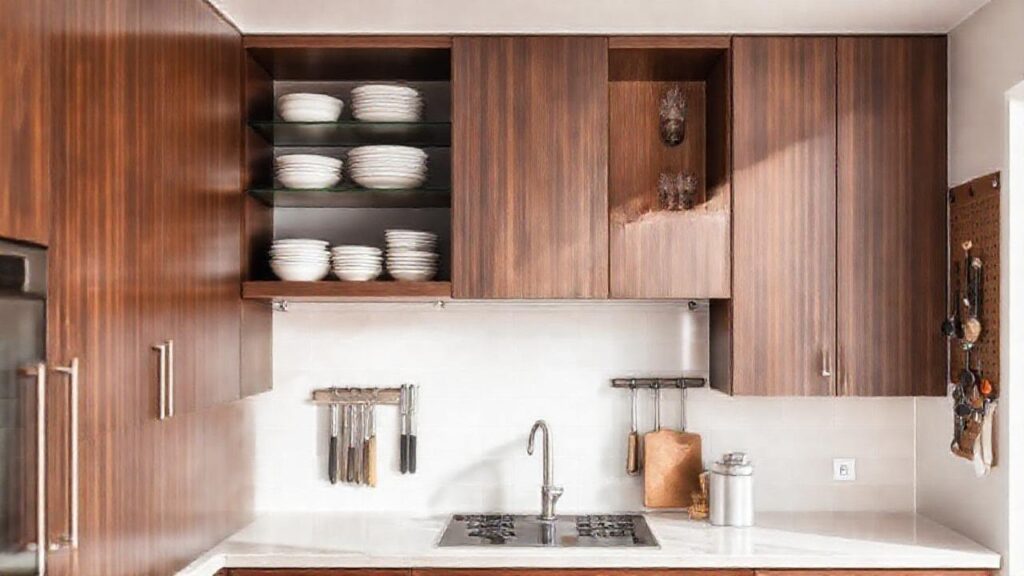
The kitchen is arguably the room that benefits most from intelligent vertical storage. From cookware to pantry staples, the sheer volume of items necessitates looking upwards. Wall-mounted pot racks free up cabinet space and keep frequently used pots and pans within easy reach. Spice racks that mount inside cabinet doors or on walls keep your seasonings organized and visible. Tiered shelves within cabinets can elevate items, allowing you to see what’s behind them without having to move everything. Over-the-sink drying racks and dish organizers utilize the space above the sink, a prime area often overlooked. Even the space above the refrigerator can be used with a sturdy shelf or cabinet for storing seldom-used appliances or bulk items.
Closets and Bedrooms: Reclaiming Your Wardrobe
Closets are prime real estate for vertical expansion. Double hanging rods can instantly double your garment-hanging capacity. Shelf dividers prevent stacks of sweaters or t-shirts from toppling over. Shoe racks that utilize vertical space, either on the floor or mounted on the door, can accommodate a surprisingly large number of footwear. For items like handbags or scarves, hanging organizers with multiple compartments are invaluable. In bedrooms, tall, slim dressers and wardrobes are more space-efficient than wide, short ones. Utilizing the top of wardrobes with storage boxes for seasonal clothing or extra bedding is also a key strategy.
Living Areas and Home Offices: Combating Surface Clutter
In living areas, vertical storage is about more than just books. Wall-mounted media consoles can house electronics and reduce the need for bulky furniture. Floating shelves can display art, photographs, or plants while providing space for smaller decorative items. In a home office, a well-designed shelving unit can house books, files, and decorative elements, keeping the desk clear for productive work. Wall-mounted file holders and letter sorters keep essential documents organized and accessible. Even the space above a desk can be utilized with narrow shelves for stationery or small office supplies.
Garages and Workshops: The Ultimate Frontier for Verticality
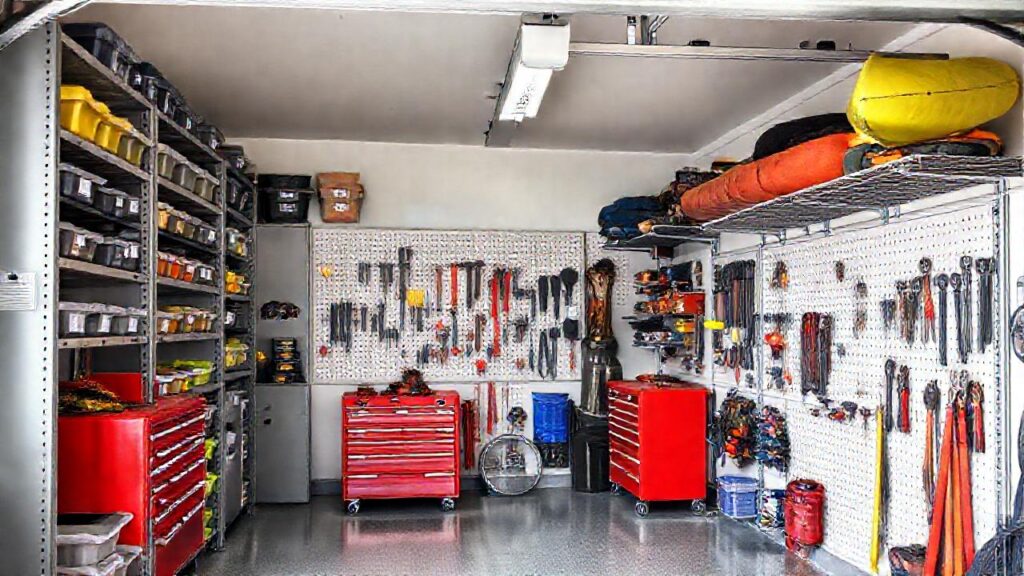
Garages and workshops are often chaotic spaces where vertical storage can have the most dramatic impact. Heavy-duty shelving units designed for load-bearing are essential. Pegboards are a DIYer’s best friend, allowing for the organized hanging of tools of all shapes and sizes. Wall-mounted tool chests and cabinets keep smaller items secure and out of the way. Overhead storage racks, while requiring safe installation, are perfect for storing seasonal equipment like camping gear, sports equipment, or holiday decorations. Utilizing the vertical space between the floor and the ceiling can transform a cluttered garage into a highly functional workspace.
Choosing the Right Vertical Storage Solutions: Factors to Consider
Not all vertical storage solutions are created equal. The most effective choices are those that align with your specific needs, aesthetic preferences, and the structural limitations of your space.
Assessing Your Needs and Inventory
Before purchasing any storage solutions, take stock of what you need to store. Categorize your items: frequently used, occasionally used, seasonal, decorative, bulky, small. This inventory will dictate the type, size, and strength of the storage you require. For instance, storing heavy books requires sturdier shelves than storing lightweight linens.
Material and Durability: Investing for the Long Term
The materials used in vertical storage solutions significantly impact their longevity and suitability. Solid wood shelving offers durability and a classic aesthetic, but can be heavy and expensive. Metal shelving, particularly industrial-grade options, is robust and suitable for heavy loads, often found in garages and workshops. Particleboard or MDF shelving is more budget-friendly but may sag under heavy weight over time. For wall-mounted solutions, ensure the hardware is appropriate for your wall type (drywall, plaster, concrete) and the weight capacity.
Aesthetics and Integration with Your Decor
While functionality is paramount, the visual appeal of vertical storage should not be overlooked. Floating shelves can lend a minimalist, modern feel. Built-in units can smoothly connect with your home’s architecture. Open shelving can be used to display curated collections or decorative items, adding personality to a room. For those who prefer a cleaner look, cabinets and closed storage solutions hide clutter effectively. Consider how the chosen solutions will complement your existing decor and contribute to the overall ambiance of the space.
Safety Considerations: Anchoring and Weight Distribution
Safety is non-negotiable when implementing vertical storage. Tall shelving units, especially those in children’s rooms or high-traffic areas, should always be anchored to the wall to prevent tipping. This is crucial for preventing accidents. Always adhere to the manufacturer’s recommended weight limits for shelves, brackets, and hanging systems. Distribute weight evenly across shelves, placing heavier items closer to the wall and towards the bottom of the unit. For any overhead storage, ensure it is installed by a professional if you are unsure of your DIY capabilities.
Maximizing Your Space: Advanced Vertical Storage Strategies
Beyond the basic shelving and containers, several advanced strategies can further enhance your vertical storage capabilities.
Modular Systems and Customizable Solutions
Modular storage systems offer incredible flexibility. These are often comprised of interconnected components—vertical standards, shelves, cabinets, drawers—that can be configured and reconfigured to suit changing needs. This is particularly beneficial for dynamic spaces like home offices or garages, where the items you store might evolve. Customizable closet systems, for example, allow you to adjust shelf heights and add hanging rods or drawers as your wardrobe changes.
Hidden Storage and Multi-Functional Furniture
The concept of “hidden storage” is a sophisticated application of verticality. This can involve built-in cabinets that blend seamlessly with walls, or furniture designed with integrated storage. For instance, a bed frame with built-in drawers or a storage ottoman can provide significant space for linens or seasonal clothing without adding extra furniture. Wall units that incorporate fold-down desks or hidden compartments offer functional workspaces that disappear when not in use.
The Use of Vertical Space in Small Apartments
For residents of small apartments, vertical storage is not just a convenience; it’s a necessity. This often means thinking creatively. Wall-mounted desks that fold away, tall and narrow bookcases that fit into awkward nooks, and over-the-door organizers become indispensable tools. Even the space above kitchen cabinets can be utilized for storing seldom-used items in attractive baskets. Loft beds, which elevate the sleeping area to create space for a desk or storage underneath, are a prime example of maximizing vertical space in compact living.
According to recent research, the average home size in many regions has been decreasing, making efficient space utilization more critical than ever. This trend amplifies the importance of smart storage solutions, with vertical storage emerging as a key strategy for homeowners and renters alike seeking to optimize their living environments.
Vertical Gardens and Living Walls
While not traditional storage for possessions, vertical gardens and living walls are a form of vertical utilization that enhances both aesthetics and well-being. They transform blank walls into vibrant, green spaces, improving air quality and adding a natural element to interior design. These systems can be designed for herbs in the kitchen, succulents in the living room, or larger plants in any area that receives adequate light.
Frequently Asked Questions
What is the primary advantage of vertical storage?
The primary advantage of vertical storage is its ability to maximize space by utilizing the often-underused vertical dimension. This is particularly crucial in smaller living or working areas, allowing for more efficient organization, reduced clutter, and improved accessibility of items without sacrificing valuable floor space.
How can I make vertical storage look aesthetically pleasing?
Aesthetic appeal in vertical storage is achieved through thoughtful selection of materials, consistent design, and curated display. Opt for complementary colors and finishes that match your decor. Use uniform containers, arrange items neatly, and incorporate decorative elements like plants or artwork on open shelves. For a cleaner look, consider closed cabinets or custom-built units that blend seamlessly with the room’s architecture.
Is vertical storage suitable for all types of items?
Vertical storage is highly adaptable and can accommodate a vast array of items, from books and clothing to tools and kitchenware. However, for extremely heavy or awkwardly shaped items, careful consideration must be given to the structural integrity of the storage solution and the weight capacity. Certain delicate or highly sensitive items might be better suited to specialized storage, but the principle of vertical organization can still apply to their containment.
What are the safety considerations for tall vertical storage units?
Safety is paramount with tall vertical storage. Always anchor tall units, such as bookcases or shelving systems, securely to the wall to prevent tipping, especially in areas with children or pets. Ensure shelves are not overloaded, and distribute weight evenly. For any installations requiring mounting at height, professional installation is recommended if you are not experienced, to guarantee secure attachment.
How do I start implementing vertical storage in my home?
Begin by assessing your current storage needs and identifying areas where clutter is most prevalent. Declutter ruthlessly, then plan your vertical solutions. Start with one area, like a kitchen pantry or a closet, and implement simple solutions like adding extra shelves or using stackable containers. Gradually expand to other areas, choosing solutions that best fit the space and the items you need to store. Prioritize functionality and safety in your initial choices.
Final Recommendations for an Organized Vertical Life
Embracing vertical storage is more than just a tidying technique; it’s a philosophy of mindful spatial utilization. It empowers you to reclaim your environment, reduce mental friction, and create spaces that are both beautiful and highly functional. The truth about maximizing your space isn’t found in acquiring more square footage, but in looking up, leveraging the untapped potential of your walls, and investing in solutions that bring order and efficiency to your daily life. Start small, experiment with different solutions, and witness the transformative power of going vertical. Your future, less cluttered self will thank you.
See also: vertical storage