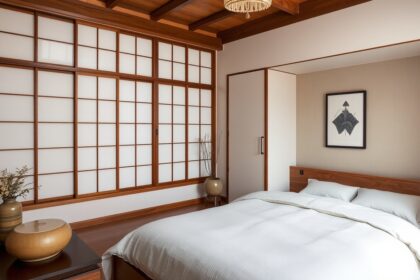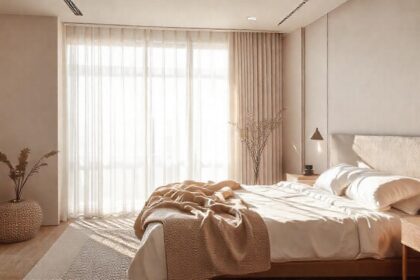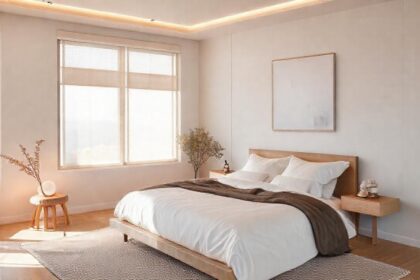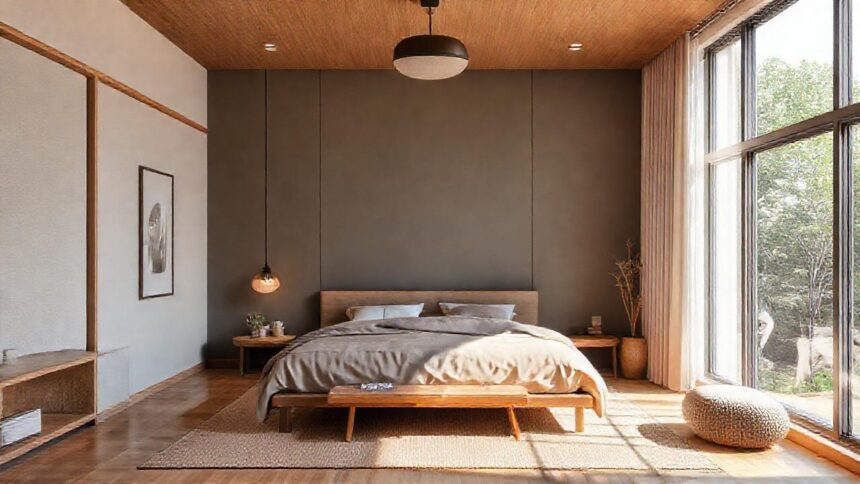
Korean bedroom design has captured global attention, not merely as a fleeting trend, but as a sophisticated philosophy of living that prioritizes tranquility, functionality, and a profound connection with nature. Far from simply arranging furniture, it’s an intricate dance of minimalism, natural elements, and thoughtful consideration for the user’s well-being. For those seeking to infuse their personal space with this serene aesthetic, understanding the core tenets is paramount. This guide will equip you with the essential design secrets to transform your bedroom into a haven of Korean-inspired calm, offering tangible benefits for both your physical and mental state.
- The Philosophy of Intentional Simplicity
- The Palette of Serenity: Color and Texture
- Furniture: Low-Profile and Functional
- Lighting: Embracing Natural Light and Soft Ambiance
- Maximizing Natural Light
- Creating Evening Ambiance
- 💡 Expert Insight Expert Insight: Layering light is key to a functional and atmospheric Korean bedroom. Combine ambient, task, and accent lighting to create a space that is both practical for reading and relaxing, and also visually soothing. Decor and Accessories: Intentional Curation In a Korean bedroom, decor and accessories are chosen with extreme care, embodying the principle of “less is more.” Each item should contribute to the overall sense of calm and intentionality, rather than adding to visual clutter. The focus is on quality over quantity, with pieces that are meaningful and aesthetically pleasing. Natural Elements and Biophilic Design
- Art and Personal Touches
- Textiles as Decor
- ⚠️ Pro-Caution Pro-Caution: Avoid over-accessorizing. While personal touches are important, too many decorative items, even if beautiful, can detract from the minimalist ambiance and create visual noise, counteracting the intended calming effect. The Role of Space and Layout The layout of a Korean bedroom is as crucial as its individual elements. The emphasis is on creating an open, flowing space that feels uncluttered and conducive to relaxation. This often involves strategic furniture placement and a mindful approach to room division. Creating Flow and Openness
- Zoning for Functionality
- Maintaining Your Korean Bedroom Sanctuary
- Frequently Asked Questions
- H3: What are the key color palettes for a Korean bedroom?
- H3: Is a Korean bedroom suitable for small spaces?
- H3: How can I incorporate plants into a Korean bedroom?
- H3: What kind of artificial lighting is best for a Korean bedroom?
- H3: How important is floor space in Korean bedroom design?
- Final Recommendations
The allure of the Korean bedroom lies in its ability to create an environment that is both aesthetically pleasing and deeply conducive to rest and rejuvenation. It’s a space designed to declutter not only the physical environment but also the mind, fostering a sense of peace that is often elusive in our hyper-connected world. The principles are rooted in centuries of cultural practice, emphasizing harmony, simplicity, and a reverence for natural materials and light.
The Korean bedroom is more than just a room; it’s a deliberate sanctuary designed to nurture the mind and body through the art of intentional simplicity.
The foundational principle of Korean bedroom design is minimalism, but it’s a nuanced minimalism that eschews sterile austerity for a warm, inviting, and profoundly functional aesthetic. This isn’t about owning fewer things for the sake of it, but about curating a space where every object serves a purpose, contributing to an overall sense of order and calm. The absence of clutter is not merely visual; it’s a deliberate strategy to reduce mental noise, allowing for deeper relaxation and more restorative sleep. Research consistently points to the impact of environment on sleep quality, with studies highlighting how bedroom clutter can contribute to stress and anxiety, thereby impairing sleep.
The Philosophy of Intentional Simplicity
At its heart, the Korean bedroom is proof of the power of intentional living. Every element, from the color palette to the furniture choices, is selected with purpose. This philosophy extends beyond mere aesthetics; it’s a way of life that encourages mindfulness and appreciation for the present moment. Instead of filling a room with transient decor, Korean design focuses on creating a lasting atmosphere of serenity. This approach resonates deeply in contemporary society, where the constant influx of stimuli can be overwhelming. By cultivating a bedroom that is intentionally simple, individuals can create a powerful antidote to external chaos.
Wikipedia: Contents — Wikipedia
The cultural underpinnings of this design approach are significant. Korean traditional architecture, for instance, emphasizes a smoothly connect with nature, utilizing natural materials and maximizing natural light. This philosophy naturally translates into interior design, where the bedroom becomes a microcosm of this harmonious relationship. The goal is to create a space that feels organic, breathable, and supportive of natural rhythms.
Embracing Minimalism: Beyond the Surface
True Korean-inspired minimalism goes beyond simply clearing surfaces. It involves a deep consideration of negative space—the empty areas that allow elements to breathe and stand out. This principle applies to furniture arrangement, wall decor, and even the selection of textiles. The aim is to create a sense of spaciousness, even in smaller rooms, fostering an atmosphere of calm and openness. This is not about depriving oneself of comfort, but about understanding that true comfort often arises from a lack of excess.
The psychological benefits of a minimalist environment are well-documented. Studies have shown that a less cluttered environment can lead to improved focus, reduced stress levels, and enhanced feelings of well-being. For the bedroom, this translates to a more conducive atmosphere for sleep and relaxation.
The Palette of Serenity: Color and Texture
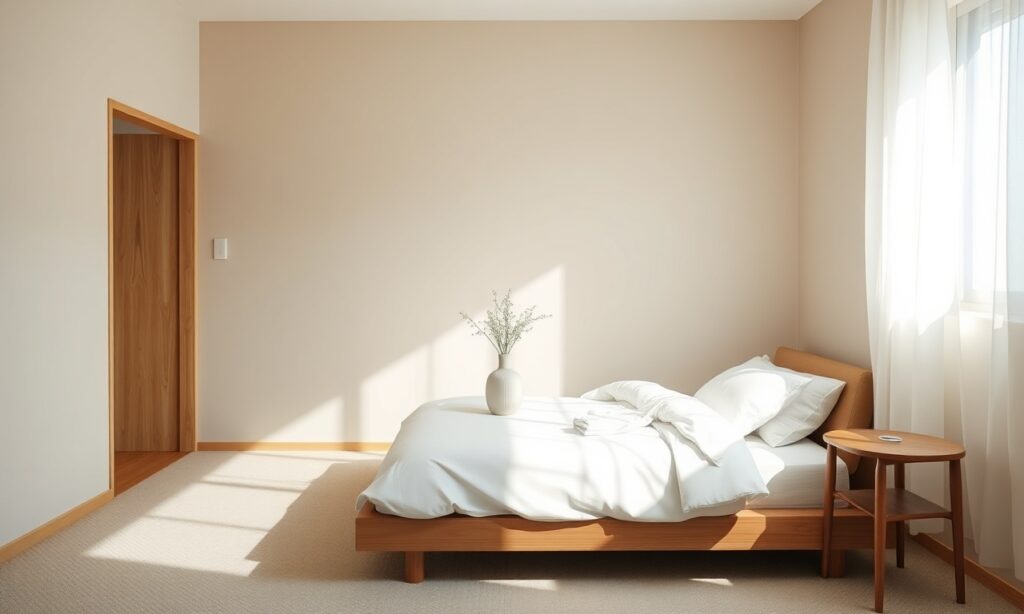
The color palette in a Korean bedroom is typically muted and inspired by nature, creating a soothing visual experience that promotes relaxation. Think soft neutrals, earthy tones, and gentle pastels. These colors are not merely decorative; they are chosen for their ability to evoke feelings of calm and tranquility. The interplay of color and texture is crucial in creating a multi-sensory experience that enhances the feeling of a sanctuary.
Nature-Inspired Hues
Dominant colors often include various shades of beige, cream, light grey, and soft whites, mirroring the natural tones of wood, stone, and sand. These can be complemented by subtle accents of muted greens, blues, or even pale blush, reminiscent of natural landscapes. The absence of harsh or overly stimulating colors is a deliberate choice to minimize visual distraction and promote a restful state.
The Tactile Experience: Textures for Comfort
Texture matter significantly in adding warmth and depth to a minimalist Korean bedroom. Natural materials are favored, such as unbleached cotton, linen, wool, and wood. The tactile sensation of these materials contributes to a sense of comfort and grounding. Think of the soft weave of a linen duvet, the subtle texture of a woven rug, or the smooth finish of natural wood furniture. These elements invite touch and create a sensory richness that prevents the space from feeling stark or impersonal.
The strategic use of texture can also help to define different zones within the room, even in an open-plan layout. For example, a subtly textured rug can anchor the sleeping area, while smoother finishes on other surfaces maintain the minimalist aesthetic.
Furniture: Low-Profile and Functional
Korean bedroom furniture is characterized by its low profile, clean lines, and emphasis on functionality. The aim is to create an uncluttered and airy feel, with pieces that are both practical and aesthetically pleasing. This approach is deeply rooted in traditional Korean living, where furniture was often kept low to the ground to facilitate a closer connection with the floor and enhance the sense of space.
The Platform Bed: A Cornerstone of Design
The platform bed is perhaps the most iconic piece of furniture in Korean bedroom design. Its low height not only visually expands the room but also contributes to a grounded, stable feeling. Platform beds are often made from natural wood and feature simple, clean designs, devoid of ornate carvings or excessive embellishments. This minimalist choice allows the bedding and the overall room to take center stage. Furthermore, the lower profile of the bed can make it easier to get in and out of, which can be beneficial for individuals with mobility issues, promoting a sense of independence and comfort.
Multifunctional Pieces and Smart Storage
In line with the minimalist ethos, furniture in a Korean bedroom is often multifunctional. This could include storage ottomans, beds with integrated drawers, or minimalist shelving units that serve dual purposes. The emphasis is on maximizing utility without sacrificing visual simplicity. Smart storage solutions are essential for maintaining the uncluttered aesthetic. This might involve discreet built-in wardrobes, under-bed storage boxes, or elegant wall-mounted shelves that keep essentials organized and out of sight. The key is to ensure that storage solutions are integrated seamlessly into the design, rather than appearing as an afterthought.
Lighting: Embracing Natural Light and Soft Ambiance
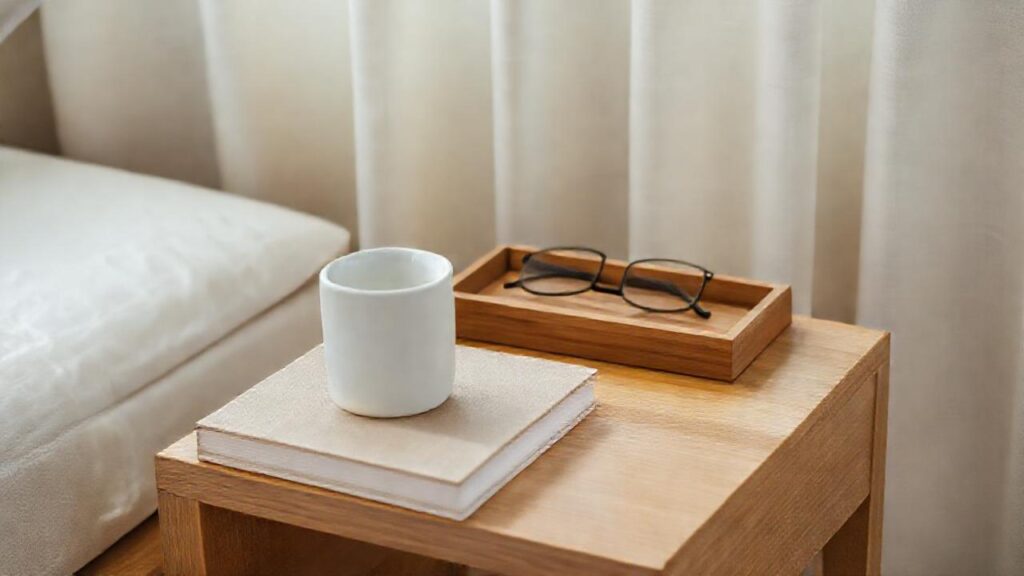
Lighting is a critical element in creating the serene atmosphere of a Korean bedroom. The design prioritizes maximizing natural light during the day and employing soft, diffused artificial light in the evening. This mindful approach to lighting significantly impacts the mood and functionality of the space, promoting relaxation and a sense of well-being.
Maximizing Natural Light
Large windows are often a feature, allowing ample natural light to flood the room. Sheer, lightweight curtains in neutral tones are used to soften the light and maintain privacy without obscuring the view or blocking daylight. The goal is to create a bright and airy feel during the day, connecting the interior space with the natural world outside. This connection to nature through light has been shown to positively influence circadian rhythms, leading to better sleep patterns. Exposure to natural light during the day helps regulate the body’s internal clock, promoting wakefulness and signaling when it’s time to wind down.
Creating Evening Ambiance
As evening approaches, the focus shifts to creating a warm and inviting ambiance. Harsh overhead lighting is generally avoided. Instead, soft, diffused lighting is achieved through the use of bedside lamps with fabric shades, floor lamps that cast a gentle glow, or even strategically placed wall sconces. Dimmers are often incorporated to allow for precise control over light intensity, enabling the creation of a truly tranquil environment conducive to winding down. The absence of bright, cool-toned lighting in the evening is crucial for signaling to the brain that it is time to prepare for sleep, supporting melatonin production.
Decor and Accessories: Intentional Curation
Incorporating natural elements is a cornerstone of Korean design. This can include plants, natural wood accents, stone elements, or even dried botanical arrangements. Biophilic design, which seeks to connect occupants more closely to nature, is intrinsically woven into this aesthetic. A well-placed potted plant can purify the air and add a touch of vibrant life, while natural wood accessories like trays or picture frames reinforce the connection to the earth.
Art and Personal Touches
While minimalism is key, the Korean bedroom is not devoid of personality. Art can be incorporated, but it is typically selected for its serene subject matter and simple framing. Think abstract pieces with calming colors, nature-inspired prints, or traditional Korean calligraphy. Personal photographs can also be displayed, but they are often presented in minimalist frames and arranged thoughtfully, rather than scattered across surfaces. The aim is to curate a collection of items that bring joy and tranquility, rather than distraction.
Textiles as Decor
Beyond their functional role, textiles can also serve as decorative elements. Consider a beautiful, intricately patterned throw blanket made from natural fibers, or decorative cushions that add a subtle pop of color or texture. These additions can elevate the aesthetic without overwhelming the minimalist design. The key is to ensure that any decorative textiles complement the overall color scheme and maintain the serene atmosphere.
The Role of Space and Layout
Furniture is typically arranged to maximize open floor space. Low-profile beds, as mentioned, are central to this. Other pieces, like wardrobes or dressing tables, are often kept streamlined and may even be built-in to minimize their visual footprint. The aim is to create clear pathways and an unobstructed sense of movement throughout the room, which can have a subtly calming effect on the mind.
Zoning for Functionality
Even in a small room, thoughtful zoning can enhance functionality. The sleeping area is clearly defined, often by the placement of the bed and perhaps a soft rug. A small, dedicated corner for reading or quiet contemplation, perhaps with a comfortable floor cushion and a minimalist lamp, can also be incorporated. These zones are created through subtle shifts in texture, color, or the placement of a few key items, rather than through rigid dividers. This allows the room to feel cohesive while still offering distinct functional areas.
Maintaining Your Korean Bedroom Sanctuary
The beauty of Korean bedroom design lies not only in its initial transformation but also in its ongoing maintenance. The principles of minimalism and intentionality naturally lend themselves to easier upkeep, ensuring the sanctuary remains a place of peace.
Regular decluttering is paramount. This doesn’t need to be a daunting task; rather, it’s a continuous practice of returning items to their designated places. A daily five-minute tidy-up can prevent clutter from accumulating. Furthermore, investing in high-quality, durable items means less frequent replacement and a more sustainable approach to design. Natural materials, while beautiful, may require specific care. Understanding how to clean and maintain wood furniture, linen textiles, and ceramic pieces will ensure their longevity and preserve the aesthetic.
The focus on natural light also means keeping windows clean and curtains well-maintained. This simple act ensures that the room continues to benefit from the positive psychological effects of daylight. Ultimately, maintaining a Korean bedroom is about embracing the philosophy of mindful living and applying it to your personal space, ensuring it remains a haven of tranquility.
Frequently Asked Questions
H3: What are the key color palettes for a Korean bedroom?
Korean bedroom design favors a palette inspired by nature, emphasizing muted neutrals and earthy tones. Think soft beiges, creams, light greys, and off-whites. These can be subtly enhanced with gentle accents of pale greens, blues, or blush. The objective is to create a calming and serene visual environment that promotes relaxation and reduces visual stimulation.
H3: Is a Korean bedroom suitable for small spaces?
Absolutely. The principles of minimalism, low-profile furniture, and maximizing natural light are exceptionally well-suited for small spaces. By focusing on functional, multi-purpose items and maintaining an uncluttered aesthetic, a Korean bedroom can feel surprisingly spacious and airy, even in a compact room. The intentional use of negative space also contributes to this feeling of openness.
H3: How can I incorporate plants into a Korean bedroom?
Plants are a wonderful way to bring natural elements into a Korean bedroom. Opt for plants with clean lines and relatively simple foliage, such as snake plants, ZZ plants, or small bonsais. Place them in minimalist ceramic or wooden planters. Avoid overly large or bushy plants that might overwhelm the space. A single, well-chosen plant can add a touch of life and color without disrupting the minimalist aesthetic.
H3: What kind of artificial lighting is best for a Korean bedroom?
For a Korean bedroom, artificial lighting should be soft, diffused, and warm-toned. Avoid harsh overhead lights. Instead, utilize bedside lamps with fabric shades, floor lamps that cast a gentle glow, or wall sconces. Dimmers are highly recommended to allow for precise control over light intensity, enabling you to create a relaxing ambiance in the evenings. The goal is to mimic the warmth of natural light and create a cozy, inviting atmosphere.
H3: How important is floor space in Korean bedroom design?
Floor space is critically important in Korean bedroom design. The philosophy emphasizes creating an open, uncluttered environment that promotes a sense of calm and flow. Low-profile furniture, particularly platform beds, is essential for maximizing visible floor space. Strategic arrangement of furniture and the avoidance of excessive items contribute to an airy feel, which is conducive to relaxation and mental clarity.
Final Recommendations
Embarking on a Korean bedroom makeover is an investment in your well-being. Begin by decluttering ruthlessly, embracing the principle that intentionality is the foundation of serenity. Select a soothing, nature-inspired color palette and layer textures using natural materials to create a tactile, comforting environment. Prioritize low-profile, functional furniture, especially a platform bed, to enhance the sense of space. Harness the power of natural light and supplement it with soft, diffused artificial lighting to cultivate a tranquil ambiance. Finally, curate your decor with purpose, allowing each piece to contribute to the overall sense of calm. By adhering to these essential design secrets, you can transform your bedroom into a true sanctuary that nurtures rest, relaxation, and a profound sense of peace.
See also: Korean bedroom