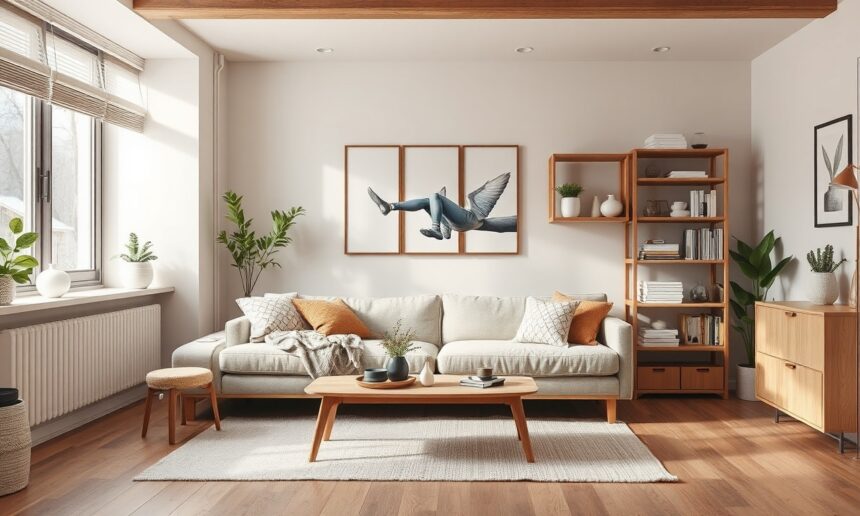
“The greatest luxury is not owning more, but living with less.” – Marie Kondo
- The Art and Science of Maximizing Small Spaces
- The Foundation of Compact Living: Understanding Your Needs
- Transformative Furniture Categories for Compact Dwellings
- Multi-Functional Marvels: The Cornerstone of Space Efficiency
- Vertical Solutions: Reaching for the Sky
- Modular and Transformable Designs: The Future of Compact Living
- Strategic Placement and Design Principles for Space Saving Success
- The Illusion of Space: Light, Color, and Mirrors
- Flow and Functionality: Navigating Your Compact Home
- Integrating Space Saving Furniture into Different Rooms
- Living Rooms: The Hub of Activity
- Dining Areas: Flexible Feasting Solutions
- Bedrooms: Restful Retreats, Maximized Storage
- Home Offices: Productive Corners, Discreet Workspaces
- The Psychology of Compact Living: Beyond Furniture
- The Future of Space Saving Furniture
- Frequently Asked Questions
- What is the most important factor when choosing space saving furniture?
- Are space saving furniture pieces generally less durable than traditional furniture?
- How can I make a small living room feel larger without buying all new furniture?
- What are some good space saving solutions for small kitchens?
- Is space saving furniture a good investment for renters?
The Art and Science of Maximizing Small Spaces
In an era where urban living increasingly dictates smaller footprints, the demand for intelligent design solutions has never been more pronounced. The concept of space saving furniture is no longer a niche market for studios and dorm rooms; it has evolved into a sophisticated design philosophy that enhances livability, functionality, and aesthetic appeal across a wide spectrum of homes. Mastering your compact living environment through the strategic selection and implementation of space saving furniture is not merely about fitting more into less, but about curating an environment that feels open, organized, and deeply personal. This involves a nuanced understanding of how furniture interacts with space, light, and human movement, transforming perceived limitations into opportunities for ingenious design.
The challenge of compact living is universal, affecting millions globally who grapple with the desire for comfort and style within restrictive square footage. It necessitates a shift in perspective – viewing furniture not just as objects of utility or decoration, but as active participants in the spatial narrative of a home. This approach moves beyond mere furniture selection to encompass the very essence of how we experience our living environments. The principles of space saving are rooted in practicality, but their execution can elevate a dwelling from cramped to capacious, from cluttered to serene.
The true measure of a home isn’t its size, but the quality of life it fosters within its walls. Intelligent furniture choices are the bedrock of this quality in compact spaces.
The Foundation of Compact Living: Understanding Your Needs
Before exploring specific furniture types, a fundamental understanding of your personal needs and the specific characteristics of your living space is paramount. This initial assessment is the bedrock upon which all effective space saving solutions are built. It’s about identifying not just where furniture will go, but *how* it needs to function within your daily routines. Consider the primary activities that occur in each room: cooking, dining, working, relaxing, sleeping, entertaining. Each of these functions dictates different furniture requirements and potential for multi-functionality.
Furthermore, understanding the inherent limitations and advantages of your space is crucial. Are there awkward nooks or underutilized corners? Is natural light abundant, or does it need to be amplified? What are the traffic flow patterns? Answering these questions will reveal opportunities for bespoke solutions and highlight the types of space saving furniture that will integrate seamlessly, rather than feeling like an imposition. This phase is less about shopping for furniture and more about architectural introspection.
Transformative Furniture Categories for Compact Dwellings
The market abounds with innovative space saving furniture designed to adapt to the dynamic needs of modern living. These pieces often blur the lines between traditional furniture categories, offering versatility that is indispensable in smaller homes. Their ingenuity lies in their ability to perform multiple roles, often disappearing or transforming when not in use, thereby reclaiming valuable floor space.
Multi-Functional Marvels: The Cornerstone of Space Efficiency
Multi-functional furniture is the undisputed champion of space saving. These are pieces that serve more than one purpose, significantly reducing the number of individual items needed in a room. Think of a sofa that cleverly conceals a bed, a coffee table that lifts to become a dining surface, or ottomans that offer both seating and hidden storage. The genius of these items lies in their ability to adapt to different times of day and different activities without sacrificing style or comfort.
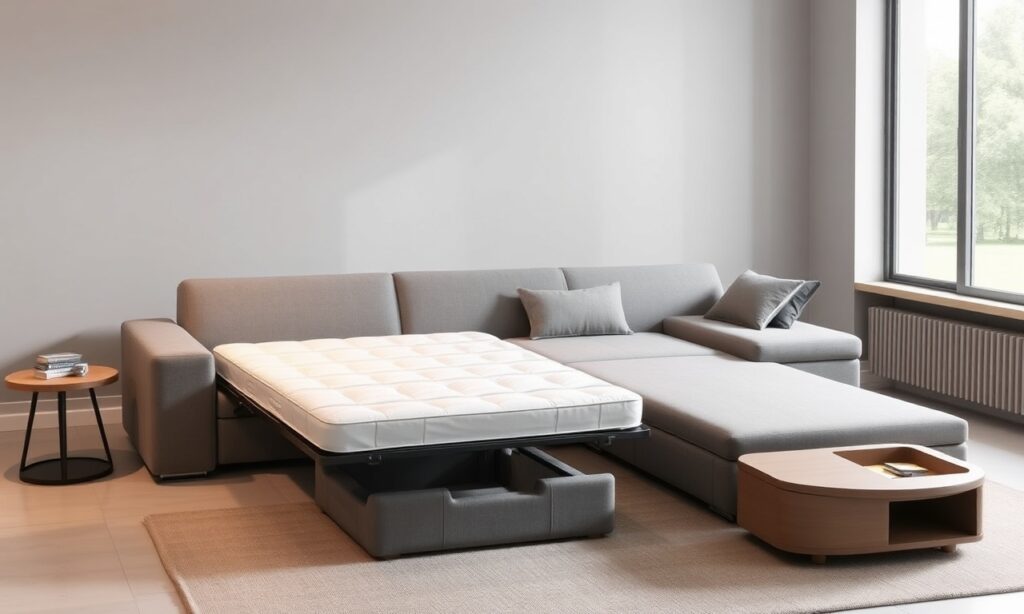
One of the most popular categories is the sofa bed. Modern designs have moved far beyond the clunky, uncomfortable models of the past. Today’s space saving sofa beds are stylish, comfortable to sit on, and feature easy-to-operate mechanisms that transform them into surprisingly comfortable sleeping surfaces. They are ideal for guest rooms, living rooms, or even studios where a dedicated guest sleeping area is a luxury. Similarly, storage ottomans are incredibly versatile. They can serve as extra seating, a footrest, a makeshift coffee table (with a tray), and most importantly, a discreet place to stash blankets, magazines, board games, or toys, thereby reducing visual clutter.
Another highly effective category involves expandable and foldable tables. Dining tables that can be folded away against a wall or extended from a compact console are invaluable. For kitchens or dining nooks, a drop-leaf table can provide ample dining space for several people when needed, then fold down to a fraction of its size, allowing for free movement or serving as a convenient workspace. These tables embody the core principle of space saving: utility on demand, unobtrusiveness when not.
Vertical Solutions: Reaching for the Sky
When floor space is at a premium, the logical next step is to look upwards. Vertical space saving solutions utilize the often-underused height of a room to create storage and functionality without encroaching on living areas. This is where shelving units, wall-mounted storage, and tiered furniture come into their own.
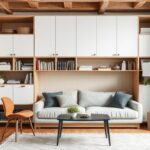
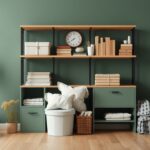
Tall, narrow bookshelves or modular shelving systems are far more effective than wide, short units. They draw the eye upward, creating a sense of verticality, and can house a substantial amount of books, decorative items, or even serve as storage for smaller bins and boxes. Wall-mounted shelves are particularly effective as they leave the floor entirely clear, enhancing the feeling of spaciousness. Consider floating shelves for a minimalist aesthetic or more robust bracketed shelves for heavier items.
Wall beds (Murphy beds) are perhaps the most dramatic example of vertical space saving. These ingenious beds fold up into a cabinet or wall unit, completely disappearing during the day to reveal a living room, office, or den. While a significant investment, they offer unparalleled space reclamation for studios or multi-purpose rooms. Less extreme, but equally effective, are high-rise beds with integrated storage. These loft beds or platform beds with deep drawers underneath can replace traditional dressers and wardrobes, consolidating storage and sleeping functions into one footprint.
Modular and Transformable Designs: The Future of Compact Living
The most sophisticated space saving furniture is often modular or transformable, allowing it to adapt to a multitude of configurations and needs. This type of furniture is not static; it’s dynamic and responsive to the user’s lifestyle.
Modular seating systems, such as sectional sofas with movable components, can be reconfigured into different layouts – a straight sofa, an L-shape, or even separate armchairs. This adaptability is perfect for homes that host varying numbers of guests or whose occupants’ needs change over time. Similarly, modular shelving can be stacked, expanded, and rearranged to fit different wall spaces and storage requirements.
Transformable furniture goes a step further, changing its form entirely. Think of wall desks that fold down from a wall unit, revealing a workspace that disappears when not in use. Or nesting tables, a set of tables of varying sizes that tuck neatly under each other, allowing you to pull out additional surfaces as needed. These pieces are the epitome of intelligent design, offering maximum utility with minimal visual and physical footprint.
Strategic Placement and Design Principles for Space Saving Success
Beyond selecting the right furniture, the art of mastering compact living lies in its strategic placement and adherence to core design principles that amplify the sense of space. Even the most clever space saving furniture can feel cramped if not integrated thoughtfully into the room.
The Illusion of Space: Light, Color, and Mirrors
Creating the illusion of more space is a powerful tool in compact living. This is achieved through careful consideration of light and color.
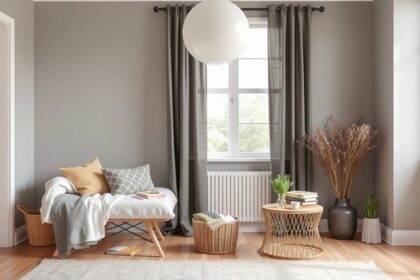
- Light: Maximize natural light wherever possible. Keep windows unobstructed. Use sheer curtains that allow light to filter through. For artificial lighting, opt for layered lighting – overhead, task, and accent lighting – to create depth and avoid dark corners that can make a room feel smaller. Consider wall-mounted sconces or slim floor lamps that take up minimal floor space.
- Color: Light, neutral colors on walls and ceilings reflect light, making spaces feel larger and more open. Avoid dark, heavy colors that absorb light. If you want to introduce color, use it in accents through cushions, artwork, or decorative objects. Painting the ceiling a slightly lighter shade than the walls can also create a sense of height.
- Mirrors: Mirrors are indispensable in small spaces. They reflect light and create the illusion of depth, making a room appear significantly larger. Strategically place mirrors opposite windows to maximize natural light or in narrow hallways to create a sense of width. A large floor mirror can dramatically open up a room.
Flow and Functionality: Navigating Your Compact Home
Ensuring unimpeded flow through your living space is critical. Furniture should be arranged to create clear pathways, allowing for easy movement between areas. Avoid placing large pieces of furniture in high-traffic zones.
Consider the scale of your furniture. Overly large or bulky pieces can overwhelm a small room, making it feel even more confined. Opt for furniture with clean lines, slender legs, and a visually lighter appearance. Furniture raised on legs, for instance, allows light and air to flow underneath, creating an illusion of more open floor space compared to solid, floor-hugging pieces.
Integrating Space Saving Furniture into Different Rooms
The principles of space saving can be applied to every room in the house, transforming even the most compact areas into functional and aesthetically pleasing environments.
Living Rooms: The Hub of Activity
The living room is often the most utilized space, demanding a balance of comfort, functionality, and style. Space saving sofas with built-in storage or those that convert into beds are essential. Consider nesting coffee tables that can be expanded for entertaining or tucked away when not needed. Wall-mounted media consoles reduce the need for bulky entertainment units. Slim profiles and multi-functional pieces are key to maintaining an open feel.
Dining Areas: Flexible Feasting Solutions
For small dining areas, a drop-leaf table or a wall-mounted fold-down table is an excellent choice. These can be expanded to accommodate guests and folded away to free up floor space. Instead of bulky chairs, consider stackable stools or benches that can be easily stored or used as extra seating elsewhere. A narrow console table can double as a serving surface and a compact dining table for two.
Bedrooms: Restful Retreats, Maximized Storage
Bedrooms are inherently personal spaces, and maximizing their utility without sacrificing tranquility is a delicate art. Platform beds with integrated drawers are a fantastic space saving solution, eliminating the need for a separate dresser. Wall-mounted bedside tables or floating shelves can hold essentials without taking up floor space. Consider wardrobes with sliding doors rather than hinged ones, as they require less clearance. If space is extremely limited, a Murphy bed integrated into a custom wall unit can be a breakthrough.
Home Offices: Productive Corners, Discreet Workspaces
Creating a functional home office in a small space often means integrating it into another room. Wall-mounted desks that fold away are ideal. A narrow console table can serve as a compact workstation. Vertical shelving units can house office supplies and files, keeping them organized and within reach. When not in use, these elements can recede, allowing the room to revert to its primary function.
The Psychology of Compact Living: Beyond Furniture
Mastering compact living is not solely about furniture; it’s also about adopting a mindset that embraces efficiency and mindfulness. The principles of space saving extend to decluttering and organization.
Decluttering: The First Step to Space Saving
Before acquiring any new space saving furniture, a rigorous decluttering process is essential. The less you own, the less you need to store, and the more effective your space saving solutions will be. Adopt a “one in, one out” policy for new purchases. Regularly review your belongings and donate or discard items that are no longer used or loved. This practice not only frees up physical space but also mental space.
Organization Systems: Maintaining Order
Once you’ve decluttered, implementing effective organization systems is crucial for maintaining the order that space saving furniture enables. Use drawer dividers, shelf organizers, and storage bins to keep items tidy and accessible. Vertical storage solutions, such as over-the-door organizers or tiered drawer units, can further optimize cabinet and closet space. The goal is to make everything have its place, minimizing visual clutter and maximizing efficiency.
The Future of Space Saving Furniture
The innovation in space saving furniture shows no signs of slowing down. We are seeing a rise in smart furniture that integrates technology, such as charging ports and adjustable lighting. Biophilic design principles are also influencing space saving solutions, with more furniture incorporating natural materials and elements that promote well-being. As urban density continues to increase, the demand for intelligent, adaptable, and aesthetically pleasing space saving solutions will only grow, pushing the boundaries of what is possible in compact living.
The concept of space saving has evolved from a practical necessity to a design movement. It’s about living smarter, not just smaller. By understanding your needs, choosing versatile furniture, and applying thoughtful design principles, you can transform any compact living space into a haven of comfort, style, and unparalleled functionality.
Frequently Asked Questions
What is the most important factor when choosing space saving furniture?
The most crucial factor is understanding your specific needs and how you use your space. Before purchasing any space saving furniture, assess the primary functions of each room, your daily routines, and the number of people who will use the space. Prioritize pieces that offer genuine multi-functionality and adapt to your lifestyle, rather than simply buying items that look compact. For instance, a sofa bed is only effective if you frequently have overnight guests.
Are space saving furniture pieces generally less durable than traditional furniture?
Not necessarily. While some budget-friendly space saving options might compromise on durability, many high-quality pieces are built with robust materials and innovative engineering to withstand regular use and transformation. The key is to research brands, read reviews, and invest in well-constructed items, especially for frequently used or complex mechanisms like sofa beds or wall units. Durability often correlates with price and brand reputation.
How can I make a small living room feel larger without buying all new furniture?
You can significantly enhance the perception of space through strategic styling and arrangement. Maximize natural light by keeping windows clear and using sheer curtains. Employ a light, neutral color palette on walls and ceilings. Introduce mirrors strategically to reflect light and create depth. Declutter ruthlessly, as visual clutter makes any space feel smaller. Rearrange your existing furniture to create clear pathways and avoid blocking natural light sources or traffic flow.
What are some good space saving solutions for small kitchens?
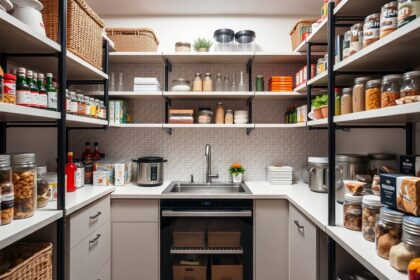
In small kitchens, look for space saving solutions that maximize vertical space and multi-functionality. Consider wall-mounted pot racks or magnetic knife strips to free up counter space. Foldable or extendable dining tables can serve as prep surfaces when not used for meals. Stackable stools or benches can be tucked away when not in use. Pull-out pantry shelves or tiered drawer organizers can make cabinets more efficient. Appliances like compact multi-cookers can replace several single-purpose gadgets.
Is space saving furniture a good investment for renters?
Yes, space saving furniture can be an excellent investment for renters, especially those in studios or smaller apartments. Many space saving pieces, like modular shelving, ottomans with storage, or compact dining sets, are relatively portable and can be easily moved to a new residence. For larger investments like wall beds, it’s important to consider whether they can be safely installed and removed without damaging the property, or if they are a good fit for your future living situations.
See also: space saving