Why Your Pantry Shelving is the Unsung Hero of Your Kitchen
Does the mere thought of opening your pantry send a shiver of disorganization down your spine? For many, the pantry is a chaotic jumble, a dark abyss where lost ingredients and forgotten purchases reside. Yet, this often-neglected space holds immense potential, capable of transforming from a source of frustration into a sanctuary of culinary efficiency. Mastering your pantry shelving isn’t just about aesthetics; it’s about streamlining your cooking process, minimizing food waste, and reclaiming valuable mental real estate. When your pantry is expertly organized, you can locate ingredients with ease, plan meals more effectively, and even save money by avoiding duplicate purchases.
- Why Your Pantry Shelving is the Unsung Hero of Your Kitchen
- The Foundational Principles of Effective Pantry Shelving
- Visibility: Seeing What You Have
- Accessibility: Reaching What You Need
- Adaptability: Growing with Your Needs
- Exploring Proven Pantry Shelving Solutions
- Adjustable Shelving Systems
- Fixed Shelving: The Classic Approach
- Wire Shelving: Breathability and Visibility
- Deep Shelving vs. Shallow Shelving: A Strategic Choice
- Specialized Storage Solutions
- The Step-by-Step Guide to Expert Pantry Shelving Transformation
- Maximizing Small Pantry Shelving: Genius Hacks
- Vertical Storage is Your Best Friend
- Embrace the Power of Turntables
- Door and Wall Space Utilization
- Clear, Stackable Containers
- The Psychological Impact of Expert Pantry Organization
- Expert Tips for Maintaining Pantry Perfection
- The “One In, One Out” Rule
- Regular Inventory Checks
- The “First In, First Out” (FIFO) Method
- Seasonal Pantry Purges
- Frequently Asked Questions
- What are the best types of containers for pantry shelving?
- How often should I declutter my pantry?
- Can I use open shelving in my pantry?
- What is the most important factor for pantry shelving success?
- How do I organize a very small pantry with limited shelving?
- Final Recommendations for Pantry Shelving Mastery
This is where the power of intelligent pantry shelving truly shines, acting as the silent, yet crucial, backbone of a well-functioning kitchen.
- Expert pantry shelving elevates kitchen functionality and reduces stress.
- Strategic organization minimizes food waste and optimizes grocery spending.
- The right shelving solutions adapt to your unique culinary needs and space constraints.
- A well-organized pantry is a cornerstone of an efficient and enjoyable cooking experience.
The Foundational Principles of Effective Pantry Shelving
Before diving into specific solutions, understanding the core principles of effective pantry shelving is paramount. It’s not merely about cramming items onto shelves; it’s a thoughtful process rooted in accessibility, visibility, and adaptability. The goal is to create a system where everything has its place, is easily seen, and can be retrieved without disturbing other items. This requires a strategic approach that considers the types of items you store, the dimensions of your pantry, and your personal cooking habits. Think of it as designing an efficient workflow for your food and kitchen essentials.
Visibility: Seeing What You Have
When it comes to Pantry Shelving, One of the most significant challenges in pantry organization is the inability to see what’s actually stored. Items get pushed to the back, hidden behind taller containers, leading to forgotten ingredients and expired products. This is where strategic shelf height, risers, and clear containers become invaluable. The principle is simple: if you can see it, you’re more likely to use it. Studies on consumer behavior have shown that improved product visibility directly correlates with increased purchase and consumption rates. For instance, research suggests that clear packaging and shelf placement significantly influence shopper decisions, a principle directly transferable to home pantry organization.
Accessibility: Reaching What You Need
In the context of Pantry Shelving, Beyond visibility, accessibility is key. Items used most frequently should be within easy reach, typically at eye level or slightly below. Bulkier items might need lower shelves, while less frequently used or specialty items can reside on higher shelves. A well-organized pantry minimizes the need for excessive bending, stretching, or rummaging, making the process of cooking and meal preparation far more enjoyable. This thoughtful placement prevents the frustration of having to move multiple items just to get to one, saving precious time during busy periods.
Adaptability: Growing with Your Needs
Around Pantry Shelving, Your pantry needs will evolve. As your culinary interests expand or your family’s needs change, your shelving system should be able to adapt. This means opting for flexible solutions that can be reconfigured, expanded, or modified. Adjustable shelving, modular systems, and stackable containers offer this crucial adaptability, ensuring your pantry remains optimized over time. A rigid, fixed system can quickly become obsolete, leading back to disorganization.
Exploring Proven Pantry Shelving Solutions
With the foundational principles in mind, We examine the diverse range of pantry shelving solutions available. The “best” solution is highly subjective, depending on your pantry’s architecture, your budget, and your personal style. However, understanding the strengths of each option can guide you toward the most effective transformation.
Adjustable Shelving Systems
Regarding Pantry Shelving, Perhaps the most versatile option, adjustable shelving systems offer unparalleled flexibility. These typically involve a track system mounted on the pantry walls, allowing you to reposition shelves at various heights as needed. This is particularly beneficial for accommodating items of different sizes, from tall cereal boxes to small spice jars.
When it comes to Pantry Shelving, 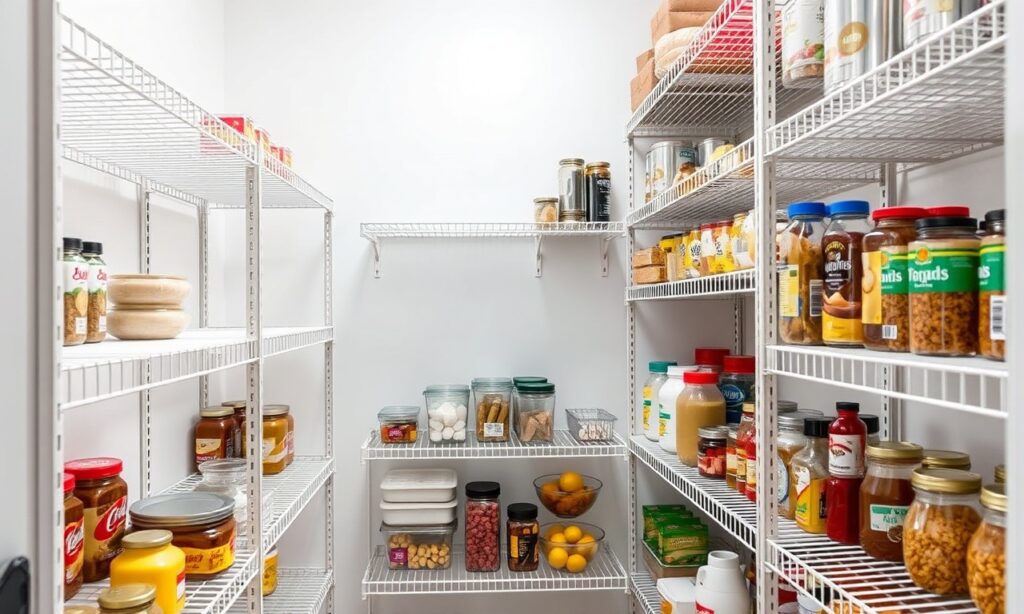
In the context of Pantry Shelving, The ability to fine-tune shelf spacing is a significant advantage. For example, if you acquire a new appliance that needs to be stored in the pantry, you can easily adjust the shelves to create the perfect fit. This modularity ensures that your pantry space is never wasted.
Fixed Shelving: The Classic Approach
Around Pantry Shelving, While less flexible, fixed shelving remains a popular and often cost-effective choice. These shelves are permanently installed, providing a sturdy and reliable storage surface. If your pantry has a standard layout and your storage needs are relatively consistent, fixed shelving can be an excellent option. The key to maximizing its effectiveness lies in smart organization *on* the shelves themselves.
Wire Shelving: Breathability and Visibility
Regarding Pantry Shelving, Wire shelving offers excellent breathability, which can be beneficial for certain food items, preventing the buildup of moisture and potential mold. Its open design also enhances visibility, allowing you to see items on lower shelves more easily than with solid shelving. However, smaller items can fall through the gaps, necessitating the use of bins or liners.
Deep Shelving vs. Shallow Shelving: A Strategic Choice
When it comes to Pantry Shelving, The depth of your pantry shelves significantly impacts organization. Deep shelves can be challenging, as items at the back become inaccessible and prone to being forgotten. Solutions like pull-out drawers, lazy Susans, and tiered risers are essential for maximizing the utility of deep shelving. Conversely, shallow shelves can be highly efficient for smaller pantries or specific zones, such as spice racks or canned goods, where everything remains within easy sight and reach.
Specialized Storage Solutions
Beyond basic shelving, a host of specialized storage solutions can further optimize your pantry:
- Can Organizers: These tiered racks allow cans to roll forward as they are used, ensuring older stock is consumed first and improving visibility.
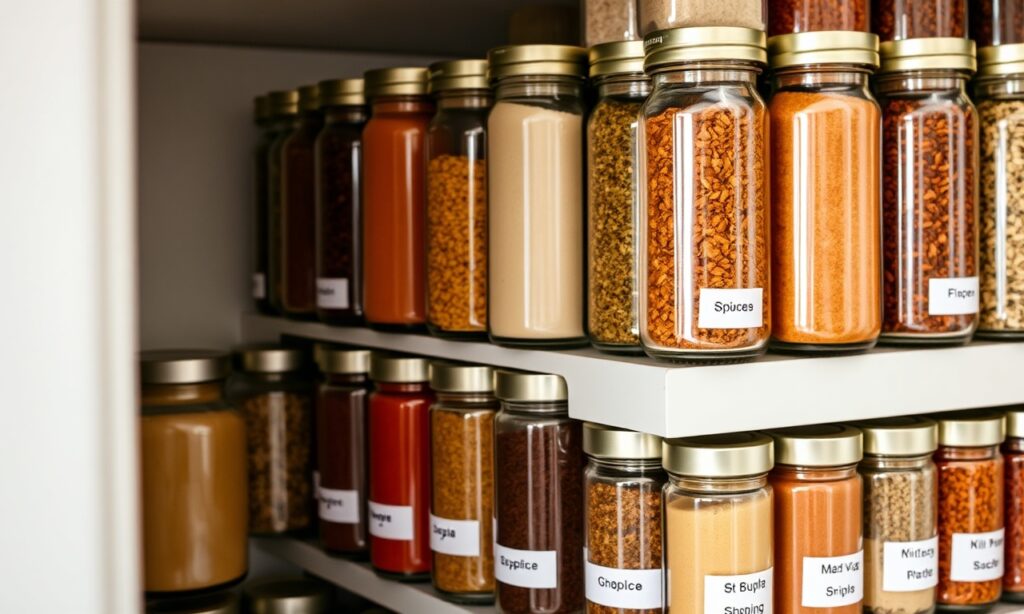
- Spice Racks: Whether mounted on the door, wall, or integrated into shelves, dedicated spice racks keep your seasonings organized and accessible.
- Drawer Systems: For items that are best stored in drawers (like baking supplies or produce), pantry drawers offer a neat and contained solution.
- Door Organizers: The back of the pantry door is often underutilized real estate. Over-the-door organizers with pockets or shelves are perfect for storing smaller items like spice packets, wraps, or cleaning supplies.
The Step-by-Step Guide to Expert Pantry Shelving Transformation
Achieving expertly organized pantry shelving is a journey, not a destination. It requires a systematic approach to declutter, categorize, and implement the right solutions. Here’s a practical, step-by-step guide to get you there:
- Empty Everything Out: This is non-negotiable. Completely clear your pantry. This allows you to assess the space, clean it thoroughly, and see exactly what you have.
- Declutter Ruthlessly: As you empty, sort items into three categories: keep, donate/discard. Discard anything expired, stale, or that you know you won’t use. Be honest with yourself. Food waste is a significant issue; according to many reports, a substantial portion of the food supply is wasted annually. Organizing your pantry can directly combat this.
- Clean and Prepare the Space: With the pantry empty, give it a thorough cleaning. Wipe down shelves, vacuum or sweep the floor, and check for any necessary repairs. Consider adding shelf liners for easier cleaning and a polished look.
- Categorize Your Inventory: Group similar items together. Think: baking supplies, breakfast items, canned goods, pasta and grains, snacks, oils and vinegars, spices, etc. This step is crucial for effective zoning.
- Measure Your Space and Inventory: Before purchasing any new storage solutions, accurately measure your pantry’s dimensions (width, depth, height). Also, measure your existing containers and packaging to ensure new organizers will fit.
- Zone Your Pantry: Based on your categories, assign specific zones within your pantry. For example, the baking zone might be on one shelf, breakfast items on another, and canned goods in a dedicated area. Frequently used items should be at eye level.
- Implement Storage Solutions: Now, bring in your chosen shelving and organizational tools. Use clear bins for smaller items, tiered risers for cans, and turntables (lazy Susans) for oils and sauces. Prioritize containers that allow for visibility.
- Label Everything: This is a critical step often overlooked. Labeling bins, shelves, and even individual containers ensures everyone in the household knows where things belong and where to find them. Clear, consistent labeling is the hallmark of an expertly organized pantry.
- Maintain the System: Organization is not a one-time event. Schedule regular (e.g., monthly) pantry check-ins to tidy up, restock, and remove any items that have expired or are no longer needed. The key is consistent, small efforts.
Maximizing Small Pantry Shelving: Genius Hacks
For those with compact pantry spaces, maximizing every inch of shelving is an art form. The principles remain the same, but the execution requires a more strategic approach to space-saving.
Vertical Storage is Your Best Friend
When horizontal space is limited, think vertically. Utilize shelf risers and stackable bins to create multiple levels within a single shelf. This transforms a single shelf into several functional storage zones. For instance, a stackable bin system can hold various types of pasta, rice, or snacks, each in its own compartment, maximizing the vertical real estate.
Embrace the Power of Turntables
Lazy Susans, or turntables, are indispensable for deep or corner shelving in small pantries. They allow you to access items stored at the back with a simple spin, eliminating the need to dig or move items. This is particularly effective for oils, vinegars, sauces, and jars.
Door and Wall Space Utilization
Don’t forget the often-underutilized surfaces of your pantry door and walls. Over-the-door organizers with multiple pockets are ideal for small, frequently accessed items like spice packets, tea bags, or small jars. Wall-mounted racks can hold canned goods, spices, or even small appliances.
Clear, Stackable Containers
Opting for clear, stackable containers is a dual-purpose strategy. They protect your food from pests and moisture, keep items consolidated, and, crucially, allow you to see the contents at a glance. Square or rectangular containers are more space-efficient than round ones, as they fit together more snugly.
The Psychological Impact of Expert Pantry Organization
Beyond the practical benefits, an expertly organized pantry has a profound psychological impact. The visual order can reduce stress and anxiety associated with meal preparation. Knowing exactly what ingredients you have on hand fosters a sense of control and confidence in the kitchen. This is a concept explored in various fields, suggesting that our surroundings significantly influence our mental state. A cluttered pantry can contribute to a feeling of overwhelm, while an organized one promotes a sense of calm and efficiency.
Reducing Decision Fatigue
The sheer act of deciding what to make for dinner can be taxing. When your pantry is a disorganised mess, finding ingredients adds another layer of mental effort. An organized pantry streamlines this process, reducing decision fatigue and making the culinary experience more enjoyable.
Fostering Culinary Creativity
When ingredients are readily visible and accessible, you’re more likely to experiment with new recipes or combine existing ingredients in novel ways. An organized pantry can be a catalyst for culinary creativity, inspiring you to try new dishes and embrace your inner chef.
Expert Tips for Maintaining Pantry Perfection
The journey to an organized pantry doesn’t end with the initial setup. Maintaining that expert organization requires ongoing effort and smart habits.
The “One In, One Out” Rule
When you purchase a new item that’s similar to something you already have, try to use up the older item first. This principle, often applied in wardrobe organization, is equally effective in the pantry, preventing an overabundance of any single ingredient.
Regular Inventory Checks
Make it a habit to glance at your pantry contents periodically. Before grocery shopping, quickly review what you have to avoid duplicate purchases. This also helps you identify items nearing their expiration date.
The “First In, First Out” (FIFO) Method
When stocking your pantry, place newer items behind older ones. This ensures that older products are used first, minimizing the risk of spoilage and waste. This simple rotation is a cornerstone of efficient inventory management.
Seasonal Pantry Purges
Just as you might declutter your closets seasonally, consider a more thorough pantry review a couple of times a year. This allows you to reassess your storage needs, discard any accumulated clutter, and ensure your system remains effective.
Frequently Asked Questions
What are the best types of containers for pantry shelving?
The best containers are clear, airtight, and stackable. Materials like BPA-free plastic, glass, or metal are excellent choices. Clear containers allow for easy visibility of contents, while airtight seals preserve freshness and protect against pests. Stackable designs maximize vertical space. Examples include airtight canisters for flour and sugar, clear bins for snacks or produce, and tiered organizers for canned goods.
How often should I declutter my pantry?
Ideally, a quick declutter and inventory check should happen before every major grocery shopping trip. A more thorough decluttering and reorganization is recommended every 3-6 months, depending on your household’s usage patterns. This ensures expired items are removed and the system remains efficient.
Can I use open shelving in my pantry?
Open shelving can be very effective and aesthetically pleasing in a pantry, provided the items are well-organized and visually appealing. It enhances accessibility and visibility. However, it requires consistent tidiness, as clutter is immediately apparent. Using attractive bins, baskets, and uniform containers can make open shelving work beautifully.
What is the most important factor for pantry shelving success?
The most critical factor for pantry shelving success is consistency and habit formation. Even the most sophisticated shelving system will fail if not maintained. Regularly putting items back in their designated places, performing quick inventory checks, and adhering to basic organizational principles are far more important than the specific shelving products used.
How do I organize a very small pantry with limited shelving?
For small pantries, prioritize vertical space with shelf risers and stackable containers. Utilize the back of the pantry door with over-the-door organizers. Use turntables for corners and deep shelves. Decant bulk items into uniform, clear containers to save space and improve visibility. Think creatively about every available surface.
Final Recommendations for Pantry Shelving Mastery
Transforming your pantry shelving from a source of chaos into a paragon of organization is an achievable goal with the right approach. It’s about implementing smart, adaptable solutions that cater to your specific needs. Remember that the most effective pantry is one that is consistently maintained. By embracing the principles of visibility, accessibility, and adaptability, and by committing to regular upkeep, you’ll not only declutter your space but also streamline your culinary life, reduce waste, and bring a sense of calm and control to your kitchen. The investment in expert pantry shelving is an investment in a more efficient, enjoyable, and less stressful home environment.
See also: Pantry Shelving