Spice rack. For many, the mere mention conjures images of culinary triumph – a well-stocked arsenal ready to transform the mundane into the magnificent. But for others, it’s a chaotic jumble, a dusty testament to forgotten flavors and culinary indecision. How often have you stood before your spice collection, a tantalizing aroma wafting from a jar, only to realize you can’t quite recall when you acquired it, or worse, if it’s still potent? This isn’t just about aesthetics; a disorganized spice rack can stifle creativity, lead to wasted ingredients, and ultimately, diminish the joy of cooking.
- The Foundation of Flavor: Understanding Your Spices
- Choosing Your Culinary Command Center: Spice Rack Styles
- Wall-Mounted Racks: Maximizing Vertical Space
- Drawer Inserts: The Hidden Order
- Countertop Spinners and Tiered Stands: Accessible and Visible
- Magnetic Racks: Innovative and Space-Saving
- In-Cabinet Solutions: Leveraging Existing Space
- The Art of Arrangement: Strategizing Your Spice Layout
- Alphabetical Order: The Classic Approach
- By Frequency of Use: The Pragmatic System
- By Cuisine Type: The Thematic Organization
- By Color: The Aesthetic Choice
- Essential Tools for Spice Rack Nirvana
- Airtight Containers: The Guardians of Freshness
- Labels: Your Navigator’s Compass
- Spice Rack Organizer Inserts: Optimizing Drawer Space
- A Small Scale: For Accurate Replenishment
- Maintaining the Momentum: Habits for Lasting Organization
- The “First In, First Out” (FIFO) Principle
- Regular Audits: The Spice Check-Up
- Mindful Purchasing: Buy What You Need
- Cleaning as You Go: Small Efforts, Big Impact
- Beyond the Basics: Advanced Spice Rack Strategies
- Creating Your Own Blends: Signature Flavors
- Bulk Buying Whole Spices: Cost-Effective and Fresh
- The “Spice Library” Approach: Documenting Your Collection
- Frequently Asked Questions
- Q1: How long do spices typically last?
- Q2: What is the best way to store spices to maximize their freshness?
- Q3: Should I buy whole spices or ground spices?
- Q4: How often should I clean my spice rack?
- Q5: What are the most important factors to consider when buying a spice rack?
- Final Recommendations for Your Culinary Sanctuary
The true power of a spice rack lies not in its quantity, but in its accessibility and freshness. A well-organized collection is an invitation to culinary exploration.
The journey to a perfectly organized spice rack is more than just a tidying exercise; it’s an investment in your culinary prowess. It’s about creating a system that respects the integrity of your ingredients and empowers you to experiment with confidence. This comprehensive guide will equip you with the knowledge and strategies to transform your spice collection from a source of frustration into a wellspring of flavor. We’ll explore the science of spice longevity, various organizational methodologies, and expert tips to ensure your culinary adventures are always vibrant and delicious.
The Foundation of Flavor: Understanding Your Spices
Before we even consider the vessel, it’s crucial to understand the precious cargo it will hold. Spices, unlike dried herbs, are typically derived from seeds, fruits, roots, bark, or buds of plants. This means they possess volatile oils responsible for their potent aromas and flavors. These oils, however, are also susceptible to degradation from light, heat, air, and moisture. This is why the lifespan of your spices is a critical consideration when organizing your spice rack.
When it comes to Spice rack, Whole spices, such as peppercorns, cumin seeds, or cinnamon sticks, generally retain their potency for much longer than their ground counterparts. Grinding exposes more surface area to the elements, accelerating the loss of their essential oils. For instance, studies have shown that the flavor compounds in ground spices can diminish significantly within six months to a year, while whole spices can remain vibrant for two to three years, sometimes even longer if stored correctly.
In the context of Spice rack, 
Understanding these nuances is the first step towards a truly effective spice rack. It dictates not only *how* you store them but also *which* spices you might consider keeping whole versus ground, and how frequently you should replenish your stock.
The Enemy of Aroma: Factors Affecting Spice Potency
- Light: Direct sunlight and even strong ambient light can break down the volatile oils in spices, leading to a duller flavor and aroma. Opaque containers are often preferred for this reason.
- Heat: Proximity to the stove, oven, or even a sunny windowsill can accelerate the degradation process. Avoid storing spices directly above or next to heat sources.
- Air: Oxygen is a catalyst for oxidation, which causes spices to lose their flavor. Airtight containers are paramount to preserving freshness.
- Moisture: Humidity can lead to clumping in ground spices and can encourage mold growth, rendering them unusable. Keep spices away from sinks and steamy environments.
Whole vs. Ground: A Strategic Decision
Around Spice rack, The debate between whole and ground spices is not merely about convenience; it’s a strategic choice that impacts flavor. While ground spices offer immediate flavor infusion, their shelf life is considerably shorter. Keeping a selection of essential spices in their whole form and grinding them as needed provides a significant boost in flavor and aroma. Consider investing in a small spice grinder or a mortar and pestle dedicated solely to spices. This practice unlocks a level of freshness that pre-ground spices simply cannot match.
Choosing Your Culinary Command Center: Spice Rack Styles
With an understanding of spice preservation, we can now turn our attention to the architectural marvel that will house your collection: the spice rack. The “best” spice rack is entirely subjective, dependent on your kitchen’s layout, your cooking habits, and your personal aesthetic. However, certain designs offer distinct advantages for organization and accessibility.
Wall-Mounted Racks: Maximizing Vertical Space
For kitchens where counter and drawer space is at a premium, wall-mounted spice racks are an elegant solution. They bring your spices into easy view and reach, transforming them from hidden treasures into readily available tools. Options range from simple wooden shelves to elaborate tiered systems. Ensure they are mounted away from direct heat sources like the stovetop.
Drawer Inserts: The Hidden Order
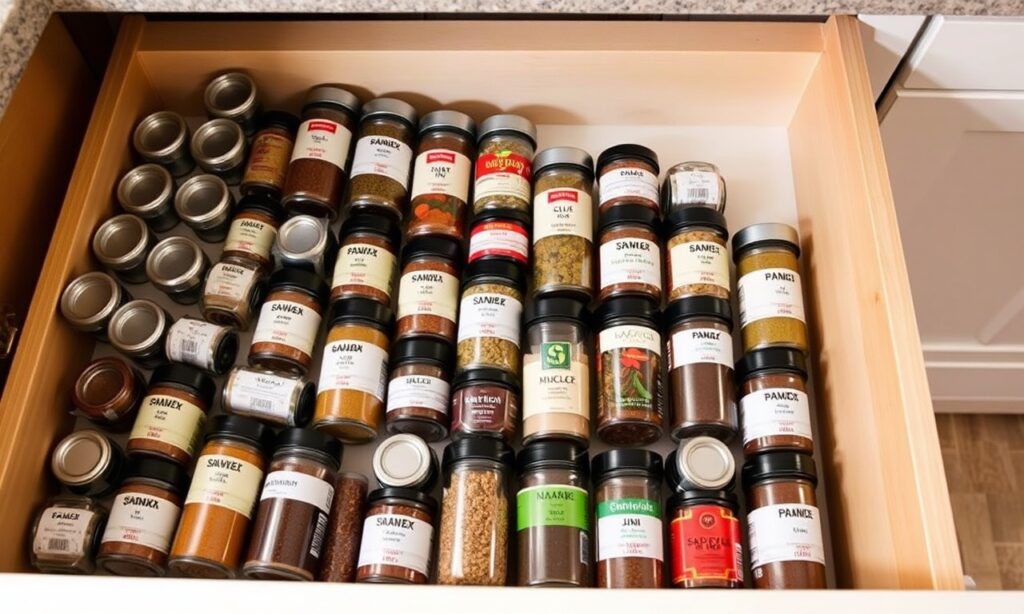
Regarding Spice rack, If you prefer a clean, minimalist countertop, drawer inserts are an excellent choice. These specialized organizers fit within existing drawers, holding spice jars horizontally or at an angle, allowing you to see labels at a glance. This method offers excellent protection from light and keeps your counters clutter-free.
Countertop Spinners and Tiered Stands: Accessible and Visible
These classic options keep your most frequently used spices within easy reach on your countertop. Tiered stands allow for multiple levels of organization, while rotating spinners provide 360-degree access. Choose a material that complements your kitchen décor, and be mindful of their footprint on your workspace.
Magnetic Racks: Innovative and Space-Saving
Magnetic spice racks, often featuring metal tins that adhere to a wall or the side of your refrigerator, are a modern and highly adaptable solution. They offer flexibility in placement and can be particularly useful in smaller kitchens. Ensure the magnets are strong enough to securely hold the tins, especially when full.
In-Cabinet Solutions: Leveraging Existing Space
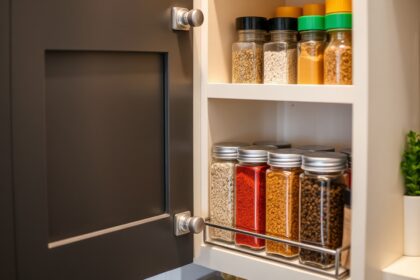
Even within your cabinets, there are ways to optimize spice storage. Pull-out shelves, tiered risers, and door-mounted racks can dramatically increase the usable space and improve visibility. These solutions transform often-overlooked cabinet interiors into highly functional storage zones.
The Art of Arrangement: Strategizing Your Spice Layout
Once you’ve chosen your ideal rack, the real artistry begins: arranging your spices. This is where personal preference and practical utility merge. There’s no single “right” way, but several systematic approaches can elevate your spice rack from functional to phenomenal.
Alphabetical Order: The Classic Approach
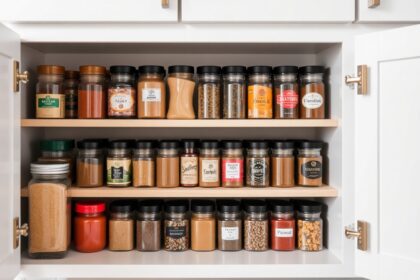
This is perhaps the most straightforward method. Arranging spices from A to Z ensures that any spice can be located with minimal searching. It’s particularly effective for larger collections where remembering the exact position of each spice might be challenging.
By Frequency of Use: The Pragmatic System
Place your most-used spices – salt, pepper, garlic powder, onion powder, perhaps a go-to blend like Italian seasoning – in the most accessible spots. Less frequently used or exotic spices can reside on higher shelves or in less prominent positions. This minimizes time spent rummaging during meal preparation.
By Cuisine Type: The Thematic Organization
If you frequently cook specific cuisines, organizing by type can be incredibly intuitive. Group your Indian spices together (turmeric, cumin, coriander, garam masala), your Mediterranean spices (oregano, basil, rosemary, thyme), or your baking spices (cinnamon, nutmeg, cloves, ginger). This streamlines the process for specific culinary endeavors.
A real-world example of thematic organization can be seen in many professional kitchens. Chefs often arrange their “mise en place” – their prepared ingredients and seasonings – in sections corresponding to the dishes they are creating. For home cooks, this translates to having your “Taco Tuesday” spice blend right next to your chili powder and cumin, ready for action.
By Color: The Aesthetic Choice
For those who prioritize visual appeal, arranging spices by color can create a stunning display. Think vibrant reds of paprika and cayenne, earthy browns of cumin and cinnamon, and the green hues of dried herbs. While visually pleasing, this method might sacrifice some speed in locating specific spices unless you have a photographic memory for color.
Essential Tools for Spice Rack Nirvana
Beyond the rack itself, a few ancillary tools can significantly enhance your organization and spice preservation efforts.
Airtight Containers: The Guardians of Freshness
Investing in a set of uniform, airtight spice jars is a significant improvement. Opt for glass jars with snug-fitting lids. Opaque containers are ideal for protecting spices from light, but clear glass jars can be used if your rack provides sufficient protection from light or if you store them in a dark drawer. Square or rectangular jars often maximize space more efficiently than round ones.
Labels: Your Navigator’s Compass
Clear, legible labels are non-negotiable. You can opt for pre-printed labels, create your own using a label maker, or even hand-write them. Ensure the labels include the spice name and, crucially, the date of purchase or expiration. This simple addition prevents the use of stale spices and aids in inventory management.
Spice Rack Organizer Inserts: Optimizing Drawer Space
If you’re using a drawer, specialized inserts can keep your jars from rolling around and ensure labels are always visible. These inserts come in various configurations, from angled tiers to individual slots.
A Small Scale: For Accurate Replenishment
While not strictly for organization, a small kitchen scale can be surprisingly useful for tracking your spice usage. Weighing your jars periodically can give you a clear indication of which spices you’re going through quickly and which are gathering dust, informing your purchasing decisions.
Maintaining the Momentum: Habits for Lasting Organization
The initial organization is just the beginning. The true success of your spice rack lies in establishing sustainable habits that keep it in pristine condition.
The “First In, First Out” (FIFO) Principle
Apply the FIFO principle to your spice purchases. When you buy new spices, place them at the back of your shelf or drawer, pushing the older ones to the front. This ensures you use older stock before it loses its potency.
Regular Audits: The Spice Check-Up
Schedule regular “spice audits” – perhaps every six months. This is an opportunity to:
- Check expiration dates.
- Discard any spices that have lost their aroma or flavor. A quick sniff test or a tiny pinch on the tongue can reveal staleness.
- Wipe down containers and shelves.
- Re-evaluate your organization system. Is it still working for you?
Mindful Purchasing: Buy What You Need
Resist the urge to buy large quantities of spices unless you are a very heavy user of a particular ingredient. Smaller, more frequent purchases of ground spices will ensure you always have fresh, potent flavorings at your disposal. For whole spices, buying in slightly larger quantities is often more economical and practical, as they last longer.
Cleaning as You Go: Small Efforts, Big Impact
After cooking, take a moment to wipe down any spice jars that may have been dusted or splashed. Clean your spice rack shelves periodically to prevent a buildup of residue. These small, consistent efforts prevent the gradual descent into disarray.
Beyond the Basics: Advanced Spice Rack Strategies
For the truly dedicated home chef, a few advanced techniques can further enhance the spice rack experience.
Creating Your Own Blends: Signature Flavors
Once you’re comfortable with individual spices, consider creating your own signature spice blends. This allows for unparalleled control over flavor profiles and can be a fun, creative outlet. Keep your custom blends in clearly labeled, airtight containers. Examples include a versatile barbecue rub, a warming curry powder, or a zesty taco seasoning.
Bulk Buying Whole Spices: Cost-Effective and Fresh
For frequently used whole spices like peppercorns, cumin seeds, or coriander seeds, consider buying in bulk from reputable spice merchants. This is often more cost-effective, and as whole spices have a long shelf life, you can be assured of freshness for an extended period. Store them in large airtight containers in a cool, dark place.
The “Spice Library” Approach: Documenting Your Collection
For the ultimate organizer, consider creating a digital “spice library.” This could be a simple spreadsheet or a dedicated app where you log each spice, its purchase date, its perceived freshness level, and even notes on its flavor profile or best uses. This is particularly useful for extensive collections or for those who want to track their inventory meticulously. Consumer interest in global flavors continues to rise, making a well-managed spice collection more relevant than ever.
Frequently Asked Questions
Q1: How long do spices typically last?
The lifespan of spices varies significantly. Whole spices can remain potent for 2-3 years, sometimes longer if stored correctly. Ground spices, however, typically lose their flavor within 6 months to a year. Always check for aroma and color – a faded appearance and lack of scent are indicators of staleness.
Q2: What is the best way to store spices to maximize their freshness?
The key is to protect spices from light, heat, air, and moisture. Store them in airtight containers in a cool, dark, dry place, such as a pantry or a dedicated spice drawer. Avoid storing them above the stove or near a sunny window.
Q3: Should I buy whole spices or ground spices?
For the best flavor and longest shelf life, opt for whole spices whenever possible and grind them just before use. If you frequently use ground spices, be prepared to replace them more often than whole ones.
Q4: How often should I clean my spice rack?
A good rule of thumb is to do a thorough cleaning every 6-12 months. This involves checking expiration dates, wiping down containers and shelves, and discarding any expired or stale spices. Smaller, spot-cleaning of any spills or dust should be done more frequently.
Q5: What are the most important factors to consider when buying a spice rack?
Consider the size of your spice collection, the available space in your kitchen (countertop, drawer, wall), your cooking frequency, and your aesthetic preferences. Prioritize functionality and ease of access to ensure you actually use your spices.
Final Recommendations for Your Culinary Sanctuary
Transforming your spice rack is a journey, not a destination. It’s about cultivating a relationship with your ingredients, understanding their nuances, and creating an environment where culinary creativity can flourish. By implementing the strategies outlined – from understanding spice longevity and selecting the right rack to employing smart organizational systems and maintaining consistent habits – you are not just tidying up; you are investing in a more flavorful, efficient, and enjoyable cooking experience. Your spice rack is more than just storage; it’s the vibrant heart of your kitchen, proof of your passion for good food.
Embrace the process, experiment with what works best for you, and savor the elevated tastes that a well-organized spice collection will undoubtedly bring to your table.
See also: Spice rack