The Enduring Promise of Food Storage Reliability
Did you know that an estimated one-third of all food produced globally for human consumption is lost or wasted annually, amounting to about 1.3 billion tons? This staggering figure highlights a critical challenge in our modern food system, one that begins with the very act of preserving what we buy and prepare. At the heart of this battle against spoilage and waste lie food storage containers, seemingly simple vessels that often go unheralded for their profound impact on our kitchens, our wallets, and our planet. But why are these everyday items so remarkably reliable? It’s a question that explore material science, design engineering, and an intuitive understanding of biological processes.
- The Enduring Promise of Food Storage Reliability
- The Material Science Behind Lasting Freshness
- The Science of the Seal: Airtightness and Beyond
- Beyond Preservation: Versatility and Durability
- Innovations Enhancing Reliability
- Expert Insight and Proactive Storage
- The Environmental and Economic Imperative of Reliable Food Storage
- Frequently Asked Questions
- What are the best materials for food storage containers?
- How do I ensure my food storage containers remain airtight?
- Can I freeze food in any type of container?
- How often should I replace my food storage containers?
- What is the difference between airtight and vacuum-sealed containers?
- Final Recommendations
Wikipedia: Contents — Wikipedia
Far from being mere plastic boxes, they are sophisticated tools designed to create a micro-environment that thwarts the relentless forces of oxidation, microbial growth, and moisture degradation, thereby extending the life and maintaining the quality of our food.
Food storage containers are not just containers; they are silent guardians of freshness, meticulously engineered to defy the natural decay of food.
These containers, in their myriad forms, represent a triumph of applied science in the domestic sphere. Their reliability stems from a combination of carefully selected materials, innovative sealing mechanisms, and thoughtful design principles that work in concert to safeguard the integrity of whatever they hold. From the crispness of a salad to the vibrant hue of berries, the difference between a well-stored item and a spoiled one often boils down to the efficacy of its containment. Understanding the underlying principles that make them so dependable offers a richer appreciation for these indispensable kitchen staples and empowers us to use them more effectively.
The humble food storage container is proof of how basic scientific principles, when applied thoughtfully, can yield exceptionally reliable results in our daily lives.
The Material Science Behind Lasting Freshness
The reliability of food storage containers is fundamentally rooted in the properties of the materials from which they are constructed. Historically, materials like ceramic, glass, and wood were used, each offering certain protective qualities but often lacking in durability, portability, or airtightness. The advent of modern polymers, however, revolutionized food storage. Plastics, in particular, offer a spectrum of properties that can be precisely engineered for different applications.
One of the most critical properties is impermeability. High-quality food storage containers are made from materials that exhibit very low permeability to gases like oxygen and carbon dioxide, as well as water vapor. Oxygen is a primary driver of oxidation, a chemical reaction that leads to rancidity in fats, browning in fruits and vegetables, and a general decline in flavor and nutritional value. Similarly, water vapor can lead to sogginess, mold growth, and accelerated spoilage. Materials like polypropylene (PP) and high-density polyethylene (HDPE) are frequently used for their excellent barrier properties and durability.
Polypropylene, for instance, is known for its resistance to heat and chemicals, making it suitable for microwave use and dishwasher cycles, while also providing a good barrier against moisture.
Glass containers offer superior inertness, meaning they do not react with food or leach chemicals, which is a significant advantage for long-term storage and for storing acidic foods like tomato sauces or citrus-based marinades. While glass itself is impermeable, its reliability often hinges on the lid’s sealing mechanism. Studies have shown that the interaction between food and packaging material is a crucial factor in maintaining food quality, and inert materials like glass minimize this interaction. For instance, research in food science consistently highlights how packaging material choice significantly impacts shelf-life by controlling gas exchange and moisture transfer.
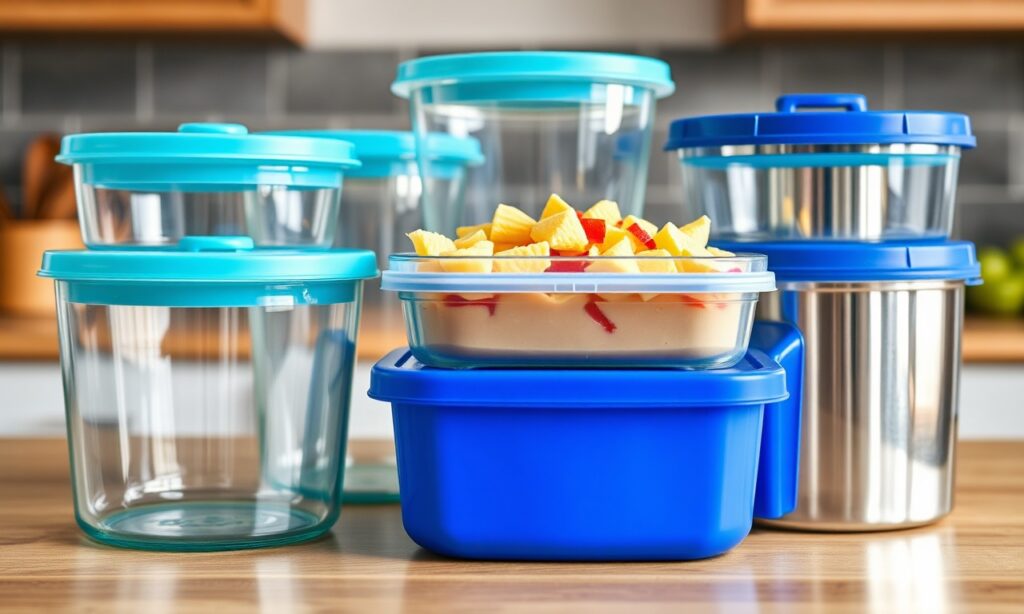
Another material gaining traction is stainless steel. It is exceptionally durable, non-reactive, and offers a completely opaque barrier, protecting food from light which can also degrade certain nutrients and flavors. Its primary limitation is its lack of transparency, making it impossible to see the contents without opening. However, for items like prepped meals or dry goods, stainless steel containers are incredibly reliable and long-lasting.
The Science of the Seal: Airtightness and Beyond
Perhaps the most crucial element contributing to the reliability of food storage containers is their sealing mechanism. A truly effective seal creates an environment that drastically slows down spoilage processes. This is typically achieved through a combination of lid design and material.
Many modern containers employ gasket seals, often made from silicone. Silicone is an excellent material for gaskets because it remains flexible across a wide temperature range, is resistant to degradation from food acids and oils, and creates a tight, conforming seal against the rim of the container. This creates a near-airtight environment, minimizing the ingress of oxygen and the egress of moisture and volatile aroma compounds. The reliability of these seals is a direct function of the gasket’s integrity and the lid’s ability to apply consistent pressure.
The difference between a container that keeps food fresh for days and one that doesn’t often lies in the precision and material science of its seal.
The design of the lid itself also matter significantly. Snap-on lids with interlocking features ensure that when pressure is applied, the gasket is compressed evenly, creating a uniform seal. Some advanced containers feature vacuum-sealing capabilities, either manually operated or integrated with a vacuum pump. By removing air from the container, these systems dramatically reduce the presence of oxygen, thereby inhibiting oxidation and aerobic bacterial growth, significantly extending shelf life. According to food safety guidelines, proper food storage can prevent spoilage and reduce the risk of foodborne illnesses, with vacuum sealing being a highly effective method for extending the shelf life of many perishable foods.
The lid-to-container fit is paramount. A loose or ill-fitting lid compromises the entire containment system. Manufacturers invest significant resources in ensuring precise molding and manufacturing tolerances so that the lid mates perfectly with the container rim, maximizing the effectiveness of the gasket and the overall seal. This meticulous attention to detail is what elevates a container from a simple receptacle to a reliable food preservation tool.
Beyond Preservation: Versatility and Durability
The reliability of food storage containers extends beyond their primary function of keeping food fresh. Their versatility and inherent durability contribute significantly to their enduring value and widespread adoption.
Durability is a key factor. High-quality containers are designed to withstand the rigors of daily kitchen use. This includes resistance to cracking, breaking, staining, and warping, even after repeated cycles of washing (including dishwashers), microwaving, and freezing. Materials like BPA-free polypropylene and tempered glass are chosen for their resilience. For instance, borosilicate glass, commonly used in bakeware and high-quality storage, is significantly more resistant to thermal shock than standard glass, meaning it can be safely transferred from freezer to oven or microwave without shattering. This inherent robustness means that a good set of food storage containers can last for many years, providing consistent reliability and a strong return on investment.
Versatility is another cornerstone of their reliability. Modern food storage containers are designed to accommodate a wide range of food types and storage conditions.
- Freezer Storage: Containers designed for the freezer must be able to withstand extremely low temperatures without becoming brittle and cracking. They also need to protect food from freezer burn, which is dehydration caused by exposure to cold, dry air. Airtight seals are crucial here.
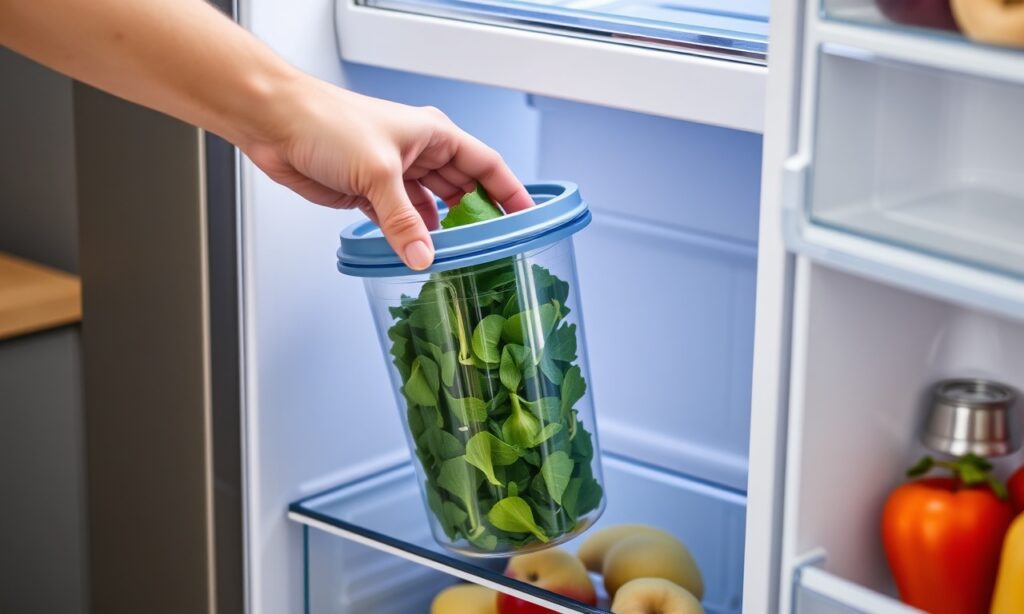
- Refrigerator Storage: In the refrigerator, containers prevent cross-contamination between foods and keep items fresh by minimizing exposure to air and ambient moisture. Clear containers are particularly useful for easy identification of contents.
- Pantry Storage: For dry goods like flour, sugar, pasta, and cereals, reliable containers prevent pest infestation, moisture absorption (which can lead to clumping and spoilage), and oxidation.
- Microwave and Oven Use: Certain containers, typically made of glass or specific microwave-safe plastics, allow for reheating food directly in the container. Their reliability in this context depends on their ability to withstand high temperatures without melting, warping, or leaching chemicals.
- Portability: For packed lunches or meal prepping, containers need secure lids that prevent leaks during transport. This often involves robust locking mechanisms and leak-proof gaskets.
This multi-faceted utility means that a single set of reliable food storage containers can serve numerous purposes throughout the food lifecycle, from preserving leftovers to transporting meals, making them an indispensable part of an organized and efficient kitchen.
Innovations Enhancing Reliability
The quest for ever-greater reliability has spurred continuous innovation in the design and manufacturing of food storage containers. Beyond basic airtight seals, several advanced features enhance their performance and user experience.
One such innovation is the incorporation of ventilation features. While airtightness is crucial for preventing spoilage, some foods benefit from controlled air exchange to maintain optimal texture and prevent condensation. Containers with adjustable vents allow users to regulate airflow, which is particularly useful for storing fruits and vegetables. For example, the ethylene gas released by ripening produce can accelerate spoilage in nearby items. Vented containers can help manage this gas exchange.
Another area of innovation is the development of smart containers. While still a niche market, some containers are being developed with integrated sensors that can monitor temperature, humidity, or even the presence of specific spoilage gases, alerting users via a smartphone app when food is at risk. This level of technological integration promises to elevate food storage reliability to an entirely new level, moving beyond passive preservation to active monitoring.
The development of stackable and modular designs also contributes to perceived reliability by optimizing space and organization. While not directly impacting food preservation, a well-organized pantry or refrigerator, facilitated by intelligently designed containers, reduces the likelihood of forgotten or misplaced food, thereby minimizing waste. This organizational aspect indirectly supports the goal of reliable food storage by making it easier to manage and utilize stored food.
Furthermore, advancements in material science continue to yield more robust, safer, and environmentally friendly options. Research into bioplastics and recycled materials is ongoing, aiming to balance performance with sustainability. The reliability of these newer materials is continually being tested and validated to ensure they meet the stringent demands of food preservation.
Expert Insight and Proactive Storage
While the containers themselves are designed for reliability, their effective use is equally critical. Expert insights can significantly amplify their performance.
The principle of First-In, First-Out (FIFO) is a cornerstone of efficient food management. By storing newer items behind older ones and using older items first, you reduce the chances of food expiring unnoticed in the back of the refrigerator or pantry. Reliable containers, especially clear ones, make it easier to implement this strategy.
Understanding the types of food and their specific storage needs is also vital. For instance, while a tightly sealed container is excellent for preventing spoilage of cooked meals, it might not be ideal for items that need to “breathe” or continue ripening, like certain fruits. Selecting the right container for the right food is a key aspect of reliable storage.
The reliability of food storage containers is not an immutable property; it is a performance that is maintained through proper care and thoughtful application. Knowing when to use a vented container versus an airtight one, ensuring lids are securely fastened, and regularly checking for signs of wear and tear are all practices that uphold their intended function.
The Environmental and Economic Imperative of Reliable Food Storage
The reliability of food storage containers has far-reaching implications that extend beyond individual kitchens. Reducing food waste has significant economic and environmental benefits. When food is stored effectively, less is thrown away. This translates directly into cost savings for households, as they purchase less food to replace spoiled items. Globally, reducing food waste can alleviate pressure on agricultural resources, reduce greenhouse gas emissions from landfills, and improve food security.
According to estimates, food waste is responsible for a significant percentage of global greenhouse gas emissions. By extending the shelf life of food through reliable storage, we can directly contribute to mitigating these environmental impacts. The durability of high-quality containers also means they are a more sustainable choice in the long run, reducing the need for frequent replacements and the associated manufacturing and disposal impacts.
The economic argument is equally compelling. Studies estimate that the average household loses money each year due to food waste. Investing in a good set of reliable food storage containers is a proactive step that can yield substantial savings over time. They are an investment in efficiency, in reducing waste, and in making the most of the food we buy.
Frequently Asked Questions
What are the best materials for food storage containers?
The best materials often depend on the intended use. For general storage and reheating, borosilicate glass is an excellent choice due to its inertness, durability, and ability to withstand temperature changes. Polypropylene (PP) is a versatile plastic known for its durability, heat resistance, and good barrier properties, making it suitable for a wide range of applications, including freezer and microwave use. Stainless steel is ideal for its extreme durability and non-reactivity, though it lacks transparency. Always ensure materials are BPA-free and food-grade.
How do I ensure my food storage containers remain airtight?
To maintain an airtight seal, ensure the container and lid are clean and dry before sealing. Check the gasket (if present) for any damage, debris, or wear and tear. Silicone gaskets are generally very durable but can degrade over time. For snap-on lids, ensure they are pressed down evenly around the entire rim to create uniform pressure. For vacuum-seal containers, ensure the vacuum pump is functioning correctly and that the seal is properly engaged.
Can I freeze food in any type of container?
No, not all containers are suitable for freezing. Containers intended for freezing must be made of materials that can withstand extremely low temperatures without becoming brittle and cracking, such as tempered glass or specific types of BPA-free plastic like polypropylene. They also need to be freezer-safe and have airtight lids to prevent freezer burn, which is the dehydration and oxidation of food due to exposure to air in the freezer.
How often should I replace my food storage containers?
The lifespan of food storage containers varies greatly depending on the material, quality, and how they are used. However, it’s advisable to replace containers if you notice any of the following: deep scratches or cracks in plastic containers, significant staining or lingering odors that cannot be removed, warped lids or containers, or damaged or degraded gaskets. For glass containers, replace them if they develop chips or cracks. Regular inspection will help you determine when replacement is necessary to ensure continued reliability and food safety.
What is the difference between airtight and vacuum-sealed containers?
An airtight container significantly restricts the passage of air into and out of the container, slowing down spoilage processes like oxidation. A vacuum-sealed container goes a step further by actively removing most of the air from the container before sealing it. This creates a much lower-oxygen environment, which dramatically inhibits the growth of aerobic bacteria and significantly extends the shelf life of many foods compared to standard airtight containers.
Final Recommendations
The reliability of food storage containers is a cornerstone of efficient kitchen management, waste reduction, and maintaining the quality of our food. By understanding the science behind their construction—from the choice of impermeable materials to the precision of their sealing mechanisms—we can better appreciate their value. Prioritize containers made from durable, food-safe materials like borosilicate glass, high-quality polypropylene, or stainless steel. Invest in designs that offer secure, airtight seals, ideally with flexible silicone gaskets. Regularly inspect your containers for signs of wear and tear, replacing any that show damage to ensure ongoing effectiveness. Embrace a proactive approach by cooling food properly before storage, using the FIFO method, and selecting the right container for the specific food item.
Ultimately, well-chosen and well-maintained food storage containers are not just kitchen accessories; they are essential tools for a more sustainable, economical, and health-conscious lifestyle.
See also: Food Storage