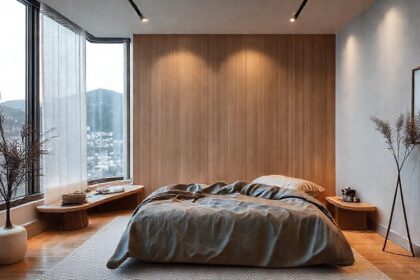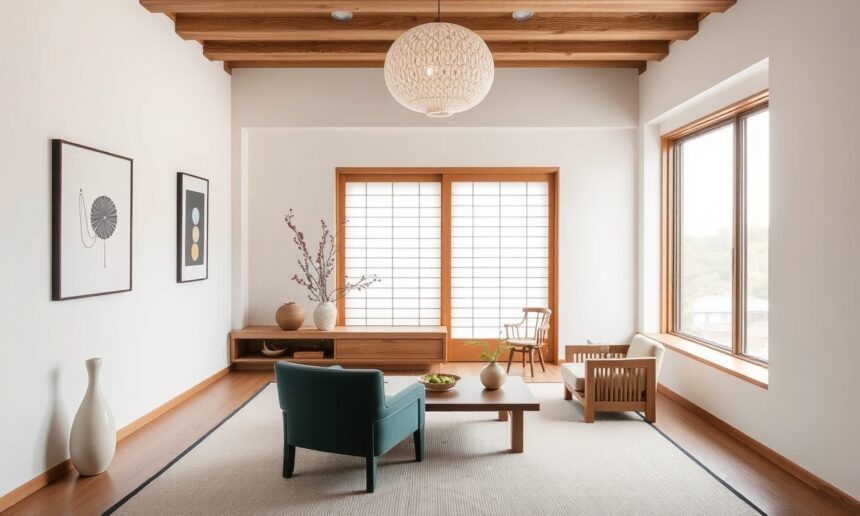
Korean room spaces are more than just aesthetically pleasing; they are meticulously crafted environments that foster a sense of calm, order, and mindful living. Far from a fleeting trend, this design philosophy draws deeply from Korean culture, emphasizing simplicity, natural materials, and an intentional connection with one’s surroundings. This isn’t about replicating a K-drama set; it’s about integrating principles that enhance well-being.
- The Foundation: Minimalism and Natural Elements
- Color Palette: The Serenity of Neutrals
- Key Furniture and Layout Principles
- Lighting: The Art of Soft Illumination
- Decor and Accessories: Meaningful Curation
- Plants as Living Art
- Textiles for Warmth and Texture
- Minimalist Art and Wall Decor
- Ceramics and Natural Objects
- The Role of Technology
- Creating a Korean Room: A Step-by-Step Approach
- The Psychological Benefits of a Korean Room Aesthetic
- Reduced Stress and Anxiety
- Improved Focus and Productivity
- Enhanced Sleep Quality
- A Sense of Control and Well-being
- Frequently Asked Questions
- What are the core principles of a Korean room aesthetic?
- How can I incorporate plants into my Korean room without making it look cluttered?
- Is it possible to achieve a Korean room aesthetic in a small apartment?
- What kind of lighting is best for a Korean room?
- How does the Korean room aesthetic differ from Japanese minimalism?
The true essence of a Korean room aesthetic lies not in the accumulation of objects, but in the deliberate curation of space, creating an atmosphere that is both visually serene and deeply restorative.
The Foundation: Minimalism and Natural Elements
At its core, the Korean room aesthetic champions minimalism. This isn’t about stark emptiness, but rather about a thoughtful reduction to essentials, allowing each chosen item to breathe and command attention. The principle is to eliminate visual clutter, thereby reducing mental clutter. Think of it as creating a visual palate cleanser for your senses. This approach directly combats the often overwhelming sensory input of modern life, offering a sanctuary of peace.
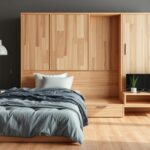
When it comes to korean room, Natural materials are paramount. Wood, particularly light-toned woods like pine or birch, forms the backbone of this aesthetic. Furniture is often low-profile, mirroring traditional Korean living where people sat on the floor. This creates a sense of groundedness and makes the room feel more spacious. Fabrics tend to be natural and breathable – cotton, linen, and wool – in muted, earthy tones. The interplay of these textures adds warmth and depth without introducing visual noise.
Embracing the ‘Jeong’ (정) in Design
In the context of korean room, This aesthetic is deeply intertwined with the Korean concept of ‘jeong’ (정), a complex emotion that encompasses affection, attachment, and a sense of profound connection. In interior design, ‘jeong’ translates to creating spaces that feel welcoming, lived-in, and imbued with personal meaning. It’s about the subtle details – the placement of a single meaningful artifact, the texture of a hand-woven blanket, the aroma of a subtle diffuser. These elements contribute to a room that feels not just decorated, but cared for and imbued with a gentle spirit.
Color Palette: The Serenity of Neutrals
The Korean room aesthetic thrives on a subdued and harmonious color palette. Neutrals dominate, with whites, creams, beiges, and soft grays forming the base. These colors are not just passive backdrops; they actively contribute to the sense of tranquility. They reflect light beautifully, making spaces feel larger and more airy.
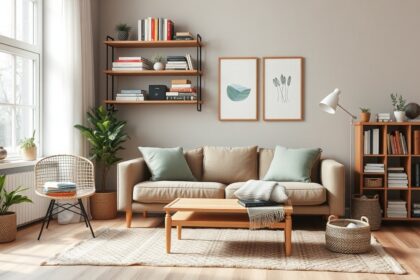
Around korean room, Subtle pops of color are introduced through natural elements. The gentle green of a potted plant, the muted brown of a wooden furniture piece, or the soft blush of a linen cushion can add just enough visual interest without disrupting the overall calm. This deliberate use of color mirrors the natural world, bringing the outdoors in and fostering a connection to nature. Research from various psychological studies has indicated that exposure to natural colors can reduce stress and improve mood, aligning perfectly with the goals of this design philosophy.
Key Furniture and Layout Principles
Furniture in a Korean room is characterized by its simplicity, functionality, and often, its low profile. The absence of bulky, ornate pieces is intentional.
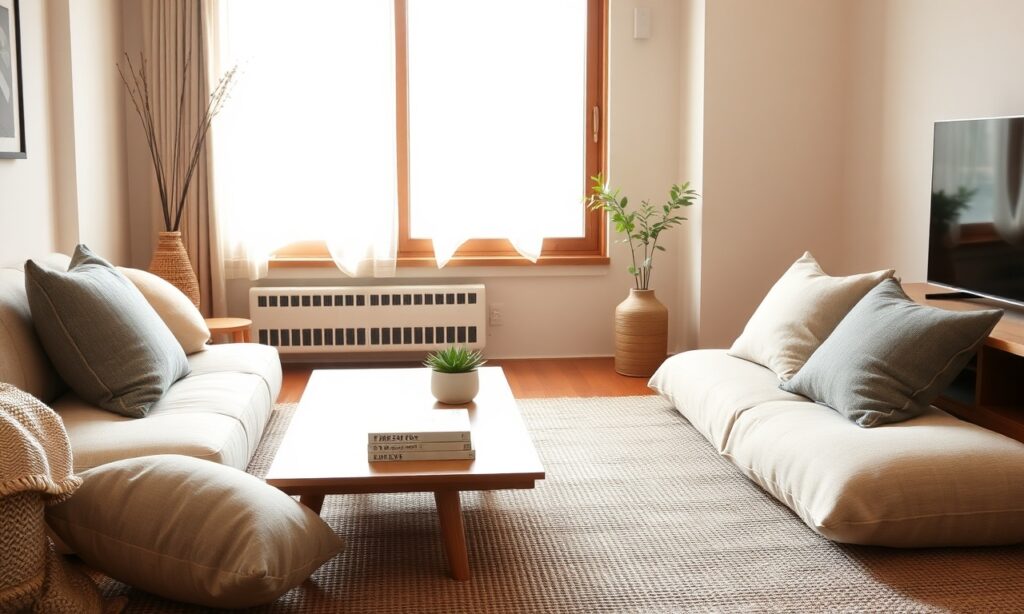
- Low-Profile Furniture: Embrace sofas, beds, and tables that sit closer to the floor. This design choice not only enhances the feeling of spaciousness but also promotes a sense of groundedness and tranquility, echoing traditional Korean living.
- Multi-functional Pieces: Given the emphasis on minimalism, furniture that serves multiple purposes is highly valued. Think ottomans that double as storage, or modular shelving units that can be reconfigured.
- Intentional Placement: Every item has a purpose and a designated place. Furniture is arranged to optimize flow and create distinct zones within the room, avoiding a cluttered or haphazard feel. The goal is to create clear pathways and open spaces.
- Accent Pieces: While minimalism is key, a few carefully chosen accent pieces can elevate the aesthetic. This might be a unique ceramic vase, a piece of minimalist art, or a beautifully crafted wooden stool. These items should be visually striking and hold personal significance.
Regarding korean room, The layout often prioritizes open space. Instead of filling every corner, the emphasis is on creating breathing room. This might mean strategically placing a single armchair by a window to create a reading nook, or leaving a central area of the floor clear. This deliberate emptiness is as important as the presence of furniture, contributing to the overall sense of peace.
When it comes to korean room, 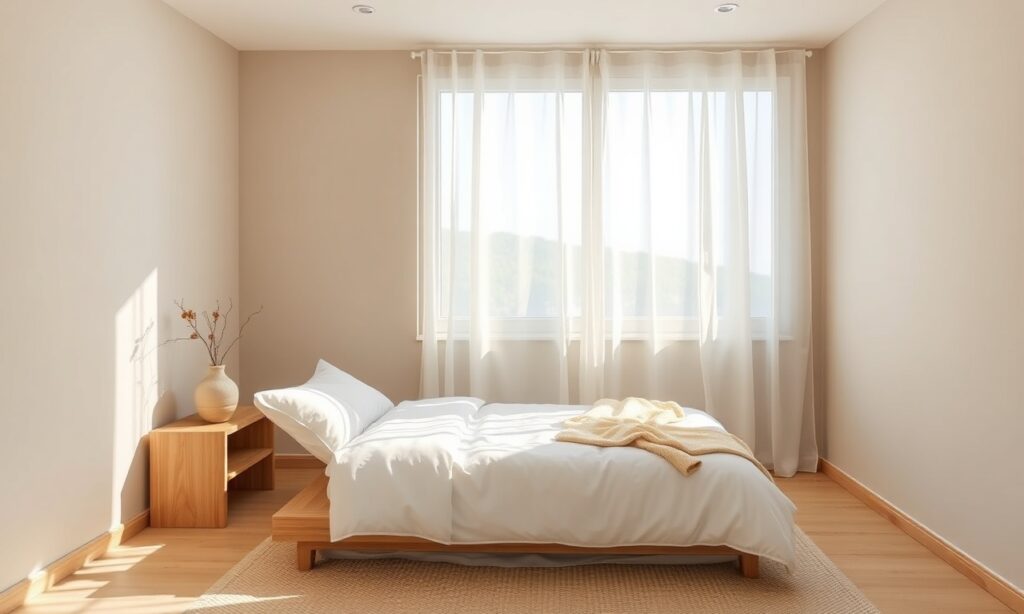
Lighting: The Art of Soft Illumination
Lighting matter significantly in establishing the tranquil ambiance of a Korean room. Harsh, overhead lighting is generally avoided in favor of softer, ambient sources. The aim is to create a warm, inviting glow that promotes relaxation and rest.
Natural Light Maximization
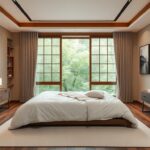
Maximizing natural light is a cornerstone. Large windows are ideal, and they are often dressed with sheer, lightweight curtains that diffuse sunlight rather than block it entirely. This creates a gentle, dappled light effect that is both uplifting and calming. The movement of light throughout the day becomes an integral part of the room’s dynamic.
Artificial Light Strategies
When artificial light is needed, multiple, smaller light sources are preferred over a single, bright fixture. This allows for greater control over the mood and intensity.
- Table Lamps: Strategically placed table lamps with fabric shades cast a warm, diffused light.
- Floor Lamps: A slender floor lamp in a corner can provide ambient illumination without dominating the space.
- String Lights: Delicate fairy lights or LED string lights can add a touch of magic and warmth, particularly in the evening.
- Dimmer Switches: Installing dimmer switches on all artificial lights offers the ultimate control, allowing you to adjust the brightness to suit the time of day or your mood.
The quality of light is as important as its quantity. Opt for warm-toned bulbs (around 2700K to 3000K) to enhance the cozy and inviting atmosphere. This is a far cry from the cool, sterile lighting that can often be found in more contemporary designs.
Decor and Accessories: Meaningful Curation
In a Korean room, decor is not about abundance; it’s about intention. Each item should be chosen for its aesthetic appeal, functionality, or personal significance. This is where the concept of ‘jeong’ truly comes to life.
Plants as Living Art
Greenery is a vital element. Potted plants, especially those with simple, elegant forms like snake plants, ZZ plants, or small bonsai, bring life and a touch of nature indoors. They purify the air and add a natural splash of color. The placement of plants is also considered, often used to soften edges or create natural focal points.
Textiles for Warmth and Texture
Textiles are used judiciously to add warmth and tactile interest. Think of a soft, woven throw draped over a sofa, textured cushions on a floor seating area, or a natural fiber rug underfoot. These elements invite touch and enhance the feeling of comfort and coziness.
Minimalist Art and Wall Decor
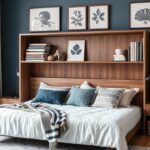
Wall art tends to be understated. This could be a single piece of abstract art with subtle colors, a framed calligraphy scroll, or a simple, nature-inspired print. The key is that it complements the overall aesthetic rather than competing with it. Avoid busy patterns or overly vibrant imagery.
Ceramics and Natural Objects
Handmade ceramics, such as vases or decorative bowls, are popular choices. Their unique textures and often earthy glazes add character. Other natural objects, like smooth stones or interesting driftwood, can also serve as subtle decorative elements.
The Role of Technology
While the Korean room aesthetic emphasizes tranquility and a connection to nature, it doesn’t necessarily exclude technology. The approach is to integrate it seamlessly and discreetly.
Hidden Technology
Cables should be managed and hidden as much as possible. Consider furniture with built-in cable management systems or use decorative boxes to conceal routers and power strips. Smart home devices can be integrated without being visually dominant.
Aesthetic Integration
When technology is visible, such as a television screen, consider its placement carefully. Many modern TVs can be mounted flush against the wall, or some even offer “Art Mode” where they display artwork when not in use, blending in with the decor. Sound systems can be chosen for their minimalist design or concealed within cabinetry.
Creating a Korean Room: A Step-by-Step Approach
Embarking on the creation of a Korean room aesthetic is a journey of intentionality and mindful selection. It’s less about following rigid rules and more about embracing a philosophy.
- Declutter Ruthlessly: Before you buy anything, conduct a thorough decluttering of your existing space. Remove anything that doesn’t serve a purpose, bring you joy, or hold significant meaning. This is the foundational step.
- Define Your Color Palette: Select a base of neutrals – whites, creams, grays, beiges. Then, choose one or two subtle accent colors inspired by nature.
- Choose Low-Profile Furniture: Invest in key pieces that are functional, comfortable, and sit low to the ground. Prioritize natural materials like wood.
- Embrace Natural Materials: Incorporate wood, linen, cotton, and wool through furniture, textiles, and decorative items.
- Curate Your Decor: Select a few meaningful items – plants, minimalist art, ceramics. Less is more. Each piece should have a purpose or tell a story.
- Focus on Soft Lighting: Layer artificial lighting with ambient sources and maximize natural light. Use warm-toned bulbs.
- Organize and Conceal: Ensure all cables and less aesthetically pleasing items are hidden from view.
- Incorporate Greenery: Add a few well-chosen plants to bring life and a natural element into the space.
This methodical approach ensures that each element contributes to the desired outcome, fostering a space that is both beautiful and deeply functional.
The Psychological Benefits of a Korean Room Aesthetic
The appeal of the Korean room aesthetic extends beyond its visual charm; it taps into fundamental human needs for peace, order, and connection.
Reduced Stress and Anxiety
The minimalist approach directly combats visual overload, a known contributor to stress and anxiety. By simplifying the environment, the mind has fewer stimuli to process, leading to a greater sense of calm. Research has indicated that a cluttered home environment may be linked to higher levels of stress and fatigue.
Improved Focus and Productivity
A well-organized and uncluttered space can significantly enhance concentration. When distractions are minimized, it becomes easier to focus on tasks, whether it’s work, study, or simply relaxing. This is particularly relevant for home offices or study areas within a Korean-inspired room.
Enhanced Sleep Quality
The emphasis on soft lighting, natural materials, and a serene atmosphere is conducive to better sleep. A bedroom designed with these principles in mind can signal to the brain that it’s time to wind down, promoting deeper and more restorative sleep. The absence of harsh blue light from screens and overwhelming visual stimuli before bed is crucial.
A Sense of Control and Well-being
Creating and maintaining such a space can provide a profound sense of accomplishment and control over one’s environment. This feeling of agency is intrinsically linked to overall well-being and happiness. It’s about creating a sanctuary that reflects your values and supports your lifestyle.
A real-world example of this aesthetic’s impact can be seen in the growing popularity of ‘hygge’ (Danish) and ‘wabi-sabi’ (Japanese) philosophies, which share many commonalities with the Korean room aesthetic in their emphasis on comfort, simplicity, and appreciation for imperfection and natural beauty. These design movements have gained traction because they address a universal human desire for tranquility and authenticity in our living spaces.
Frequently Asked Questions
What are the core principles of a Korean room aesthetic?
The core principles revolve around minimalism, natural materials, a serene color palette of neutrals, functional and low-profile furniture, and intentional, curated decor. The overarching aim is to create a tranquil, organized, and restorative living space that fosters a sense of calm and well-being.
Korean royal court cuisine — Wikipedia
How can I incorporate plants into my Korean room without making it look cluttered?
Select plants with simple, elegant forms like snake plants, ZZ plants, or small bonsais. Use minimalist pots in neutral colors. Place plants strategically as accent pieces rather than massing them together. A single, well-placed plant can have more impact than several smaller ones scattered around.
Is it possible to achieve a Korean room aesthetic in a small apartment?
Absolutely. The principles of minimalism and smart furniture choices are particularly beneficial for small spaces. Low-profile furniture, multi-functional items, and a light color palette can make even the smallest room feel more spacious and serene. Strategic organization and decluttering are key.
What kind of lighting is best for a Korean room?
Soft, ambient lighting is preferred. Maximize natural light with sheer curtains. For artificial light, use multiple, smaller sources like table lamps and floor lamps with fabric shades to cast a warm, diffused glow. Avoid harsh overhead lighting and opt for warm-toned bulbs (2700K-3000K).
How does the Korean room aesthetic differ from Japanese minimalism?
While both share a love for minimalism and natural materials, Japanese minimalism often emphasizes asymmetry, a deeper appreciation for imperfection (wabi-sabi), and a very restrained use of color. The Korean aesthetic, while also minimalist, can sometimes incorporate slightly warmer tones and a greater emphasis on comfort and a welcoming ‘jeong’ (정) – a sense of deep emotional connection and attachment to the space and its inhabitants.
Final Recommendations
Creating a Korean room aesthetic is not about adopting a strict set of rules, but about embracing a philosophy of mindful living. It’s an invitation to curate your surroundings intentionally, fostering a sense of peace and order that extends beyond the physical space into your mental and emotional state. Start with decluttering, embrace natural materials and soft colors, and prioritize functional, beautiful pieces that resonate with you. This approach to interior design is a powerful tool for enhancing your well-being, transforming your living space into a true sanctuary.
See also: korean room