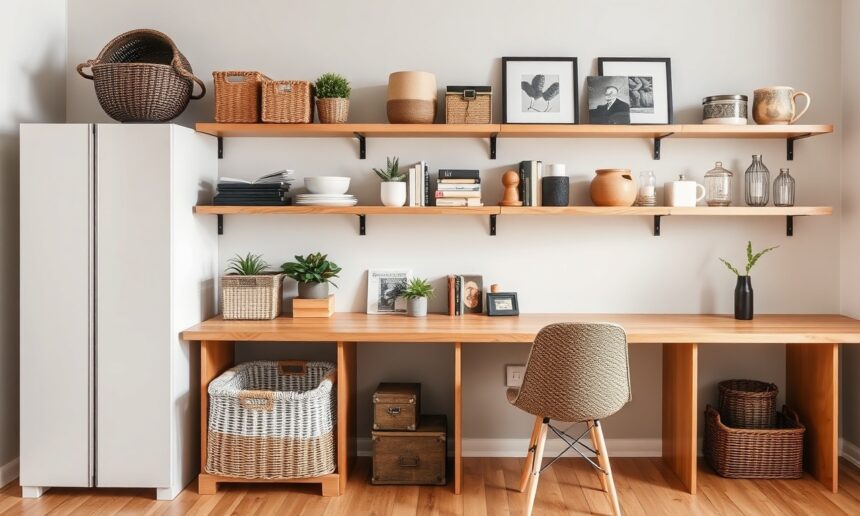
When it comes to Creative Storage, “The true measure of a home is not its size or grandeur, but the peace and order it affords its inhabitants.” – Unknown
- Embracing the Power of Creative Storage
- Foundations of an Organized Home: Decluttering and Assessment
- Maximizing Every Inch: Vertical and Underutilized Spaces
- Furniture as Functional Storage: The Dual-Purpose Marvel
- Clever Containerization and Organization Systems
- Creative Storage for Specific Areas of the Home
- Kitchen Organization: From Pantry to Countertops
- Bedroom Sanctuary: Creating a Restful Space
- Bathroom Bliss: Small Space, Big Impact
- Integrating Technology and Smart Storage
- Frequently Asked Questions
- What is the most effective first step in implementing creative storage?
- How can I make my small apartment feel less cluttered with creative storage?
- Are there specific creative storage solutions for sentimental items?
- How often should I reassess my storage needs and declutter?
- Can creative storage solutions improve my productivity?
- Final Recommendations for a Clutter-Free Lifestyle
Embracing the Power of Creative Storage
Creative storage is far more than just hiding belongings; it’s a philosophy of intentional living that prioritizes functionality, aesthetics, and peace of mind. In an era where living spaces are often at a premium, the ability to ingeniously store items without sacrificing style or accessibility is paramount. This isn’t about accumulating more, but about intelligently managing what we possess to foster an environment of calm and efficiency. The modern home, whether a sprawling suburban residence or a compact urban apartment, demands thoughtful solutions that transcend the conventional. We are no longer satisfied with mere utility; we seek storage that actively contributes to the beauty and tranquility of our living spaces.
Key Takeaways:
- Intentionality: Creative storage is about thoughtful management of possessions, not just hiding them.
- Space Maximization: Leverage vertical space, underutilized nooks, and multi-functional furniture.
- Aesthetic Integration: Storage solutions should enhance, not detract from, your home’s décor.
- Decluttering as Foundation: Effective storage begins with a commitment to owning less.
The pursuit of a less cluttered existence has tangible benefits, extending beyond mere visual appeal. Studies have indicated a strong correlation between organized environments and improved mental well-being. For instance, research suggests that clutter can contribute to increased stress and a diminished sense of control. Conversely, an organized home can foster feelings of accomplishment and reduce anxiety. The psychology of space is profound; the way we arrange and store our belongings directly impacts our emotional and cognitive states. Therefore, investing time and effort into creative storage solutions is an investment in our overall quality of life.
Foundations of an Organized Home: Decluttering and Assessment
Before diving into the myriad of creative storage options, it is imperative to lay a solid foundation by decluttering and conducting a thorough assessment of your needs. This initial step is perhaps the most critical, as even the most ingenious storage system will falter if overwhelmed by excess. The philosophy here is simple: you cannot effectively store what you do not need or truly value. This process requires honesty and a willingness to let go.
The Art of Letting Go: A Decluttering Strategy
In the context of Creative Storage, Approaching decluttering with a structured methodology can transform a daunting task into a manageable and even rewarding experience. Begin by segmenting your home into zones – a single room, a closet, or even a drawer. Within each zone, categorize items into logical groups: clothing, books, kitchenware, sentimental items, etc. Then, for each item, ask yourself a series of probing questions: “Have I used this in the past year?” “Does it serve a current purpose?” “Does it bring me genuine joy or hold significant sentimental value?” If the answers lean towards infrequent use, redundancy, or a lack of emotional connection, it may be time to consider donating, selling, or discarding the item.
Around Creative Storage, This mindful approach ensures that your storage efforts are directed towards items that genuinely enhance your life.
Assessing Your Storage Needs
Once the decluttering process has made significant inroads, take stock of what remains and identify specific storage challenges. Walk through your home and observe areas that feel perpetually messy or disorganized. Are there overflowing bookshelves? A chaotic pantry? A collection of charging cables that seems to multiply on its own? Understanding these pain points will guide your selection of creative storage solutions. Consider the size, shape, and frequency of access for the items you need to store. This detailed assessment prevents impulse purchases of storage solutions that may ultimately prove ineffective.
Maximizing Every Inch: Vertical and Underutilized Spaces
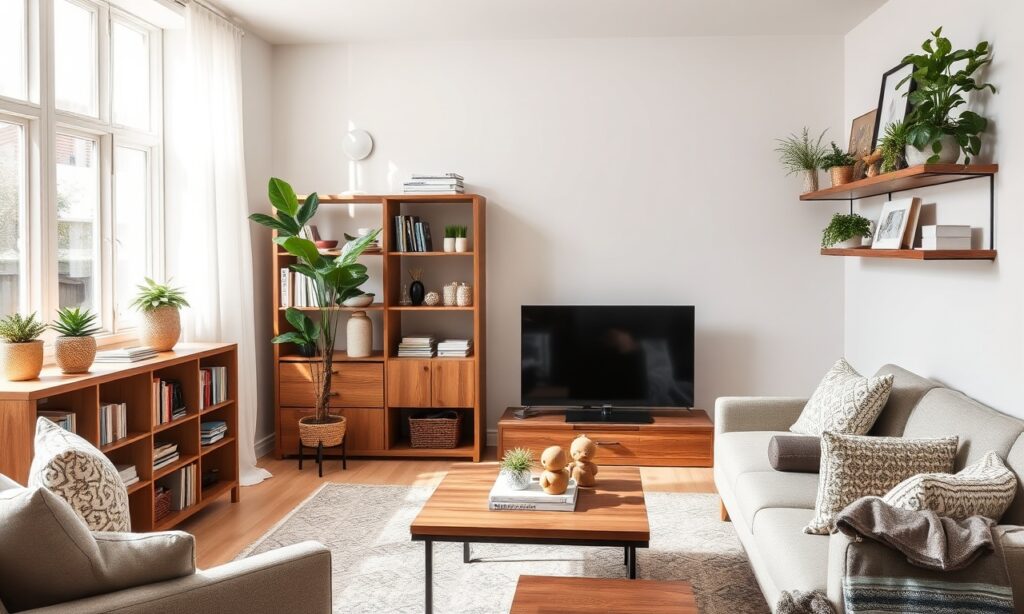
The true genius of creative storage lies in its ability to transform overlooked areas into functional storage hubs. This often means thinking vertically and creatively about spaces that are typically ignored.
Harnessing Vertical Space
Regarding Creative Storage, In homes where floor space is limited, vertical real estate becomes your most valuable asset. This involves looking upwards – walls, the space above doorways, and the full height of your closets.
Wall-Mounted Shelving: Beyond the Bookshelf
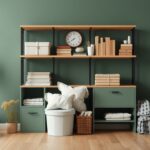
When it comes to Creative Storage, While traditional bookshelves are a staple, wall-mounted shelving can be far more versatile. Consider floating shelves for a minimalist aesthetic, perfect for displaying decorative items or housing frequently used smaller objects. In kitchens, open shelving can showcase attractive dishware and cookware, making them accessible while adding to the décor. For garages or utility rooms, heavy-duty wall-mounted shelving units can store everything from tools to seasonal decorations. The key is to ensure they are securely installed and appropriate for the weight they will bear.
Tall Storage Units and Cabinets
In the context of Creative Storage, Investing in tall, narrow storage units or cabinets can significantly increase storage capacity without consuming excessive floor space. These are ideal for bedrooms, living rooms, and even hallways. Look for units with adjustable shelves to accommodate items of varying heights. Consider units with doors to conceal clutter and maintain a polished look. The strategic placement of these units can also help define different zones within a larger room.
Conquering the Nooks and Crannies
Around Creative Storage, Often, the most challenging storage problems arise from irregular spaces – alcoves, corners, and the areas beneath stairs. These “dead spaces” are prime candidates for custom or cleverly adapted storage solutions.
Under-Stair Storage Solutions
Regarding Creative Storage, The space beneath a staircase is a treasure trove waiting to be unlocked. This can be transformed into a pull-out drawer system, a series of shelves for books or display items, or even a compact home office nook. For a more seamless look, consider custom-built cabinetry that follows the slope of the stairs. Even simple, shallow shelves can effectively house shoes, cleaning supplies, or children’s toys.
Corner Shelving and Units
When it comes to Creative Storage, Corners are notoriously difficult to furnish, but they can be surprisingly effective storage areas. Corner shelving units, whether freestanding or wall-mounted, can house plants, decorative objects, or even serve as a compact display for collections. In kitchens, corner cabinets with rotating carousels (lazy Susans) make the most of otherwise inaccessible space.
A practical example of underutilized space transformation can be seen in many modern apartments. Homeowners often install custom-built shelving units that fit perfectly into awkward alcoves, turning them from dusty voids into attractive display areas for books and art, or functional storage for electronics and media. This approach demonstrates how seemingly unusable spaces can be re-imagined with thoughtful design.
Furniture as Functional Storage: The Dual-Purpose Marvel
in creative storage, furniture that serves a dual purpose is an invaluable asset, particularly in smaller living spaces. These pieces smoothly connect storage into the everyday functionality of your home, eliminating the need for separate, often cumbersome, storage units.
The Rise of Multi-Functional Furniture
Multi-functional furniture is designed to perform more than one task, thereby reducing the overall number of items needed in a room and maximizing space efficiency. This concept is central to smart, modern living.
Ottomans and Storage Benches
Ottomans and storage benches are classic examples of furniture that offers both seating and concealed storage. These are perfect for living rooms, bedrooms, or entryways. They can house blankets, pillows, magazines, children’s toys, or even shoes. Opt for designs with lift-off lids or drawers for easy access. Upholstered benches can also serve as practical seating at the foot of a bed or in a dining area.
Sofa Beds and Storage Beds
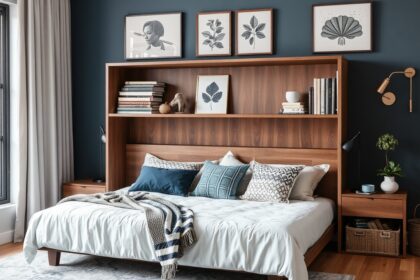
For guest rooms or studio apartments, sofa beds offer a seating solution that can quickly convert into a sleeping area. Similarly, beds with built-in drawers or lift-up mechanisms provide substantial under-bed storage, ideal for seasonal clothing, extra bedding, or infrequently used items. The headboard can also incorporate shelving or small compartments for books and personal items.
Nesting Tables and Expandable Surfaces
Nesting tables are a brilliant solution for living rooms, providing multiple surface areas when needed and tucking away neatly to save space when not in use. Expandable dining tables or desks also offer flexibility, allowing you to adapt your furniture to your changing needs without permanently occupying a large footprint.
Clever Containerization and Organization Systems
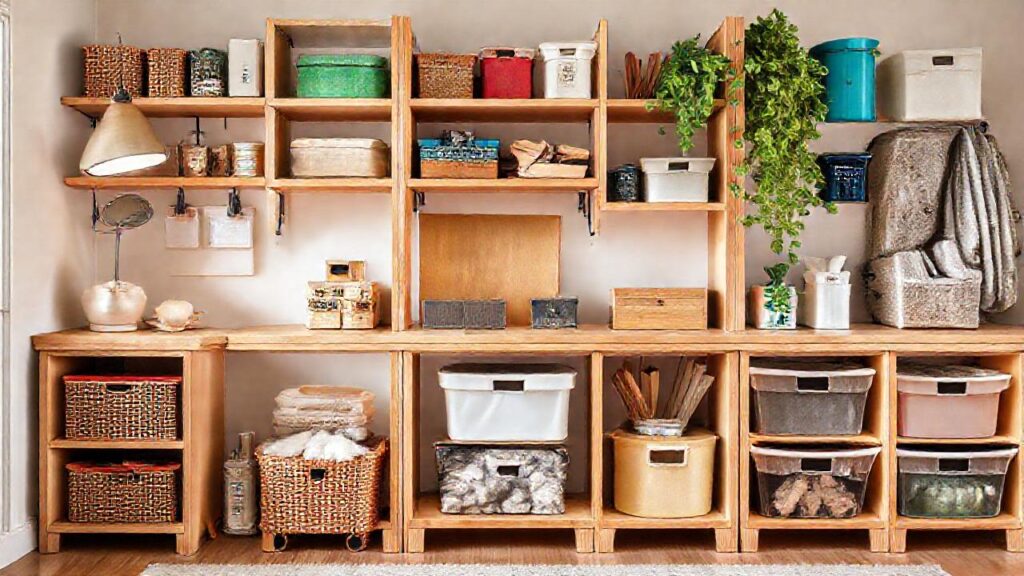
Beyond furniture and structural modifications, the strategic use of containers and organizational systems is fundamental to achieving a truly clear and functional home. This involves selecting the right tools to group, protect, and compartmentalize your belongings.
The Power of Compartmentalization
Dividing larger storage areas into smaller, manageable compartments is key to preventing chaos. This applies to everything from kitchen drawers to closet shelves.
Drawer Dividers and Organizers
Kitchen drawers can quickly become a jumbled mess of utensils and gadgets. Drawer dividers, whether adjustable or pre-configured, can create distinct zones for cutlery, cooking tools, and spices. In bathrooms, drawer organizers can keep makeup, toiletries, and personal care items neatly separated and easily accessible.
Closet Systems and Shelf Dividers
Closets are often a prime candidate for disarray. Investing in a good closet organization system can transform a cramped space into an efficient storage hub. This might include modular shelving, hanging organizers, and shelf dividers. Shelf dividers are particularly useful for stacking items like sweaters or handbags without them toppling over.
Choosing the Right Containers
The type of container you choose depends on the item being stored and its intended location.
Clear vs. Opaque Containers
Clear containers offer the advantage of visibility, allowing you to see the contents at a glance, which is ideal for pantries, craft supplies, or children’s toys. Opaque containers, on the other hand, can create a more uniform and visually calming aesthetic, hiding less attractive items and contributing to a streamlined look. Fabric bins and baskets are excellent for this purpose, adding texture and warmth to shelving.
Stackable and Modular Systems
Opt for containers that are stackable or part of a modular system. This allows you to maximize vertical space within cabinets and on shelves, creating a tidy and efficient arrangement. Look for containers with lids to protect contents from dust and moisture.
Creative Storage for Specific Areas of the Home
The principles of creative storage can be applied universally, but certain areas present unique challenges and opportunities.
Kitchen Organization: From Pantry to Countertops
The kitchen is the heart of the home, and its organization significantly impacts daily routines.
Pantry Power-Ups
Maximize pantry space with tiered shelving, turntables (lazy Susans) for jars and cans, and clear, stackable containers for dry goods. Wall-mounted spice racks and over-the-door organizers can free up valuable shelf space. Grouping similar items together – baking supplies, breakfast cereals, snacks – makes meal preparation and grocery shopping much more efficient.
Countertop Clarity
Keep countertops as clear as possible to create a sense of spaciousness and facilitate easier cleaning. Utilize wall-mounted knife blocks, magnetic strips for utensils, and multi-tiered fruit baskets. A stylish utensil crock can keep frequently used tools within reach without cluttering the surface.
Bedroom Sanctuary: Creating a Restful Space
The bedroom should be a haven of tranquility, and clutter can actively undermine this goal.
Under-Bed Storage Solutions
As mentioned earlier, under-bed storage is a highly effective strategy. Rolling bins, shallow drawers, or vacuum-sealed bags for seasonal clothing can reclaim valuable closet space. Ensure these are easily accessible if you plan to use them frequently.
Nightstand and Dresser Optimization
Nightstands can become repositories for books, chargers, and miscellaneous items. Consider nightstands with drawers and shelves, or add a small decorative tray to corral essentials. Dressers can be organized with drawer dividers for socks, undergarments, and accessories.
Bathroom Bliss: Small Space, Big Impact
Bathrooms, especially smaller ones, require clever solutions to manage toiletries and linens.
Vertical Bathroom Storage
Wall-mounted shelving units, over-the-toilet storage cabinets, and tiered shower caddies are excellent for maximizing vertical space. Use small baskets or containers to group items within these units.
Shower and Vanity Organization
Utilize tension rod shelves in the shower for extra storage. In the vanity, drawer organizers and small bins can keep makeup and skincare products tidy. Consider a medicine cabinet with ample shelving or a wall-mounted cabinet for additional storage.
Integrating Technology and Smart Storage
In our increasingly digital world, technology plays a role in creative storage solutions as well.
Cable Management: Taming the Tech Tangle
The proliferation of electronic devices has led to an overwhelming number of cables and chargers. Cable clips, cord organizers, and designated charging stations can keep these wires neatly managed and out of sight. A well-organized charging station can prevent the common issue of tangled cords behind entertainment centers or on desks.
Digital Organization’s Physical Counterpart
While digital clutter is a separate concern, the physical organization of electronic devices and accessories is crucial. This includes designated spots for laptops, tablets, e-readers, and their respective chargers. Consider modular desk organizers or wall-mounted solutions to keep these items tidy and accessible.
A compelling real-world scenario involves a young professional living in a studio apartment. They invested in a storage bed with integrated drawers, a wall-mounted entertainment unit with hidden compartments for electronics and media, and a set of nesting coffee tables. This strategic approach allowed them to maintain a spacious and uncluttered living area, proving that even limited square footage can accommodate a highly organized and aesthetically pleasing home through thoughtful creative storage choices.
According to a survey by a professional organization group, approximately 80% of respondents reported that clutter negatively impacts their stress levels. This underscores the psychological benefits of implementing effective creative storage solutions, extending beyond mere tidiness to encompass mental well-being.
Frequently Asked Questions
What is the most effective first step in implementing creative storage?
The most effective first step is a thorough decluttering process. Before investing in any storage solutions, it’s crucial to assess your belongings and discard or donate items you no longer need, use, or love. This ensures that your storage efforts are focused on essential items and prevents you from simply organizing excess.
How can I make my small apartment feel less cluttered with creative storage?
In small spaces, focus on maximizing verticality with wall-mounted shelves, tall cabinets, and over-the-door organizers. Utilize multi-functional furniture like ottomans with storage and sofa beds. Opt for furniture with a light and airy design, and employ clear or visually light containers to avoid overwhelming the space. Regular decluttering is also vital.
Are there specific creative storage solutions for sentimental items?
Yes, sentimental items require a thoughtful approach. Consider shadow boxes to display cherished photographs and mementos, decorative chests or trunks for larger items, or custom-made display shelves. For items needing protection, use acid-free archival boxes and store them in a stable environment away from direct sunlight and humidity.
How often should I reassess my storage needs and declutter?
It’s beneficial to reassess your storage needs and declutter at least twice a year, perhaps seasonally. This allows you to adapt to changing needs, identify new clutter build-up, and ensure your storage systems remain effective. A quick decluttering session before holidays or major life events can also be very helpful.
Can creative storage solutions improve my productivity?
Absolutely. An organized environment reduces distractions and the time spent searching for items. When your workspace, kitchen, or general living area is decluttered and items are easily accessible, you can focus more effectively on tasks, leading to increased productivity and reduced stress.
Final Recommendations for a Clutter-Free Lifestyle
Embarking on the journey towards a more organized home through creative storage is an ongoing process, not a destination. The goal is not perfection, but progress and the creation of a living space that supports your well-being. Embrace the principles of intentionality, efficiency, and aesthetics. Regularly reassess your belongings and your storage systems. Don’t be afraid to experiment with different solutions until you find what works best for your unique lifestyle and home. Remember, a clearer home often leads to a clearer mind, fostering an environment where peace, productivity, and joy can truly flourish.
See also: Creative Storage