The Unmistakable Allure of the Korean Room
Imagine stepping into a space that feels both deeply calming and effortlessly chic. Natural light spills across uncluttered surfaces, plants add a touch of verdant life, and a sense of quiet order pervades. This isn’t just a fleeting interior design trend; it’s the embodiment of the Korean room aesthetic, a style that has surged in popularity, captivating audiences across the globe. From minimalist student dormitories to expansive family homes, the principles of this design philosophy resonate, offering a much-needed respite from the visual noise of modern life. But what exactly is it about these spaces that holds such an undeniable, almost magnetic, appeal?
- The Unmistakable Allure of the Korean Room
- Key Elements Defining the Korean Room Aesthetic
- Minimalism and Decluttering
- Natural Materials and Earthy Tones
- Strategic Use of Plants and Natural Light
- Low-Profile Furniture and Floor Seating
- Ambient and Soft Lighting
- The Cultural and Psychological Underpinnings
- The Influence of Korean Philosophy and Lifestyle
- Resonating with Modern Wellness Movements
- The Appeal of Authenticity and Simplicity
- Practical Steps to Achieve the Korean Room Aesthetic
- Declutter Ruthlessly and Organise Intentionally
- Embrace a Neutral and Earthy Color Palette
- Incorporate Natural Elements
- Opt for Low-Profile Furniture and Comfortable Seating
- Curate Your Decor with Intention
- Layer Soft, Ambient Lighting
- The Global Reach and Adaptability of the Korean Room Aesthetic
- From K-Dramas to Real Homes: The Power of Visual Media
- Adaptability Across Different Spaces and Budgets
- The Fusion with Other Design Styles
- Frequently Asked Questions
- Is the Korean room aesthetic only about minimalism?
- What are the most important colors to use in a Korean room?
- How can I incorporate plants into my Korean room design effectively?
- Is floor seating mandatory for a Korean room?
- How do I balance the minimalist aspect with making a room feel personal and cozy?
- Final Recommendations for Embracing the Korean Room Aesthetic
Korean royal court cuisine — Wikipedia
It’s a confluence of cultural values, practical considerations, and an innate understanding of human psychology that makes the Korean room aesthetic so profoundly popular.
The Korean room aesthetic transcends mere decoration; it’s a deliberate cultivation of tranquility and mindful living, offering a sanctuary from the chaos of the external world.
The genesis of this aesthetic can be traced back to traditional Korean living, where functionality, natural materials, and a deep respect for harmony with nature were paramount. Unlike Western interiors that often prioritize ornamentation and a profusion of decorative items, traditional Korean homes emphasized simplicity, open spaces, and adaptability. Furniture was often minimal and multi-functional, designed to be stored away when not in use, maximizing the utility of each room. This historical foundation provides a rich context for understanding the contemporary popularity of the Korean room aesthetic. It taps into a universal desire for peace, order, and a connection to something more grounded and authentic.
Key Elements Defining the Korean Room Aesthetic
At its core, the Korean room aesthetic is characterized by a deliberate curation of elements that promote serenity, functionality, and a subtle elegance. It’s less about following rigid rules and more about embracing a set of guiding principles that foster a harmonious living environment.
Minimalism and Decluttering
The most striking feature of a Korean room is its inherent minimalism. This isn’t just about having few possessions; it’s about intentional living and the belief that less truly is more. Clutter is systematically eliminated, not for the sake of starkness, but to create mental clarity and a sense of spaciousness. Every item in the room serves a purpose, either functional or deeply personal, and is thoughtfully placed. This emphasis on decluttering aligns with the growing global awareness of mental well-being, as studies have consistently shown a correlation between cluttered environments and increased stress levels. Research suggests that cluttered homes are associated with higher levels of cortisol, a stress hormone.
Natural Materials and Earthy Tones
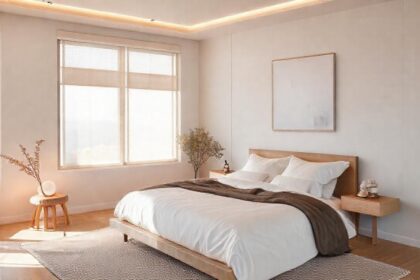
A strong connection to nature is woven into the fabric of the Korean room aesthetic. This is most evident in the preference for natural materials. Think of light-colored wood for furniture and flooring, woven textures from rattan or bamboo, and soft, breathable fabrics like cotton and linen for bedding and upholstery. The color palette is predominantly neutral and earthy, featuring shades of white, beige, cream, light grey, and muted greens. These colors are not only aesthetically pleasing but also contribute to a calming atmosphere, reducing visual stimulation and promoting relaxation. The use of wood, in particular, adds warmth and a tactile quality that makes a space feel more inviting and grounded.
Strategic Use of Plants and Natural Light
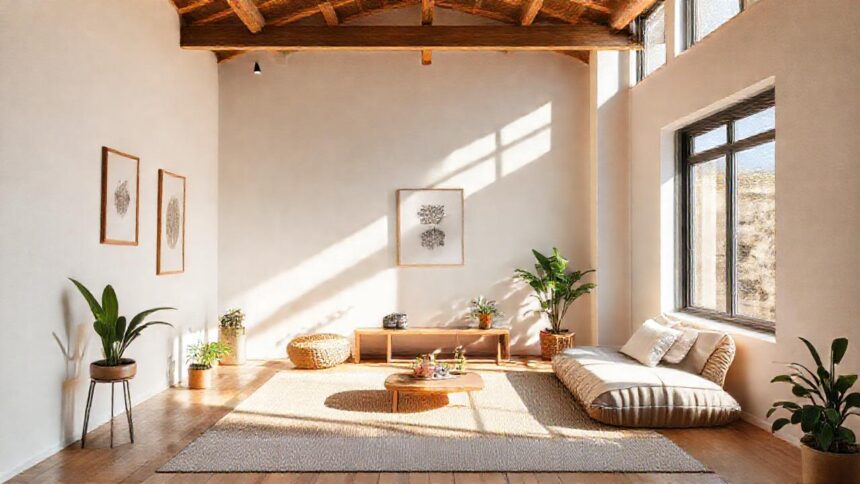
Plants are an indispensable element, breathing life and vitality into Korean-inspired interiors. They are not merely decorative accents but integral components that enhance air quality and bring the outdoors in. From small succulents on shelves to larger floor plants in corners, greenery adds a touch of natural beauty and a sense of organic flow. Equally important is the maximization of natural light. Large windows, sheer curtains, and an avoidance of heavy draperies allow sunlight to flood the space, creating a bright, airy, and uplifting ambiance. This focus on natural light not only reduces the need for artificial lighting during the day but also positively impacts mood and energy levels.
Low-Profile Furniture and Floor Seating
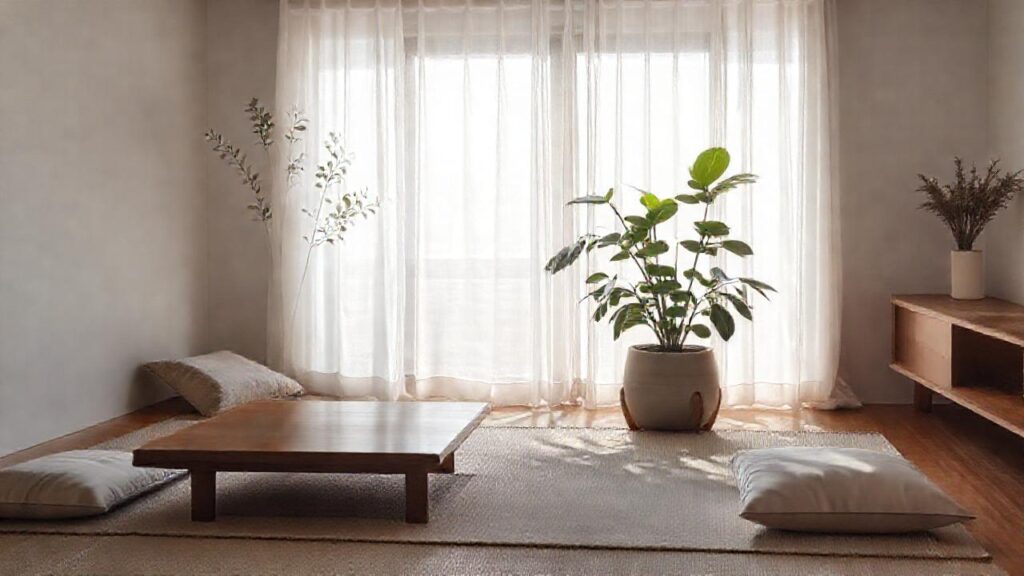
Reflecting the traditional practice of sitting on the floor, many Korean rooms incorporate low-profile furniture. This can include floor cushions (zabuton), low-slung sofas, and minimal coffee tables. This design choice not only enhances the sense of spaciousness by keeping the visual plane low but also encourages a more relaxed and informal way of living. It’s a subtle shift that can make a room feel larger and more open, creating an inviting space for casual gatherings or quiet contemplation. The absence of towering furniture also contributes to the overall sense of tranquility, preventing the room from feeling visually crowded.
Ambient and Soft Lighting
While natural light is prioritized, artificial lighting in a Korean room is carefully considered. The goal is to create a warm, inviting, and relaxing ambiance rather than harsh, bright illumination. This is achieved through the use of multiple light sources with warm color temperatures, such as table lamps with fabric shades, floor lamps, and subtle accent lighting. Dimmers are often employed to allow for adjustable light levels, enabling the space to transition from a bright daytime setting to a cozy evening retreat. The aim is to create a soft glow that enhances the feeling of comfort and serenity.
The Cultural and Psychological Underpinnings
The enduring popularity of the Korean room aesthetic is not merely a superficial trend; it’s deeply rooted in cultural values and resonates with fundamental human psychological needs. Understanding these underpinnings provides a more profound appreciation for its appeal.
The Influence of Korean Philosophy and Lifestyle
Korean culture places a significant emphasis on harmony, balance, and a mindful approach to life. Concepts like *Jeong* (정), a deep emotional connection and sense of attachment, and *Nunchi* (눈치), the art of understanding unspoken cues and social dynamics, subtly influence how spaces are designed and experienced. A Korean room is designed to foster such connections and facilitate mindful presence. The emphasis on decluttering and order is a practical manifestation of a desire for mental clarity and emotional equilibrium, which are highly valued. The aesthetic encourages a slower pace of life, inviting occupants to be more present and appreciative of their surroundings.
Resonating with Modern Wellness Movements
In an era increasingly dominated by digital saturation and fast-paced living, the Korean room aesthetic offers a tangible antidote. It aligns perfectly with global wellness movements that advocate for mindfulness, self-care, and creating sanctuaries for mental rejuvenation. People are actively seeking ways to bring a sense of calm and order into their lives, and a well-designed Korean room provides a visual and experiential representation of this aspiration. The aesthetic’s focus on natural elements, soft colors, and uncluttered spaces directly addresses the need for environments that reduce stress and promote relaxation. Experts note the negative impact of stress on mental and physical health, making the creation of calming personal spaces more crucial than ever.
The Appeal of Authenticity and Simplicity
There’s a powerful draw towards authenticity in today’s consumer landscape. The Korean room aesthetic, with its reliance on natural materials and its rejection of ostentatious displays, offers a sense of genuine simplicity. It feels honest and unpretentious. This contrasts sharply with many overly curated or trend-driven interior design styles that can feel impersonal or fleeting. The Korean room aesthetic speaks to a desire for spaces that feel lived-in, comfortable, and deeply personal, fostering a sense of belonging and well-being.
Practical Steps to Achieve the Korean Room Aesthetic
Transforming your own space into a Korean-inspired haven is achievable by focusing on a few key principles and making thoughtful choices. It’s about embracing the philosophy rather than simply replicating specific items.
Declutter Ruthlessly and Organise Intentionally
The first and most crucial step is to declutter. Go through your belongings with a critical eye. Ask yourself if each item truly serves a purpose or brings you joy. Adopt a “one in, one out” policy for new purchases. Once you’ve decluttered, invest in smart storage solutions that keep items out of sight. Think minimalist shelving units, woven baskets, and under-bed storage. The goal is to create clear surfaces and open spaces.
Embrace a Neutral and Earthy Color Palette
Repaint your walls in soft, neutral tones like off-white, beige, or a very light, warm grey. If you have wooden furniture, opt for lighter finishes. For textiles like curtains, bedding, and cushions, choose natural materials in shades of cream, beige, muted green, or soft brown. Avoid bright, jarring colors.
Incorporate Natural Elements
Bring the outdoors in. Introduce houseplants, such as snake plants, ZZ plants, or small ferns, in simple, unadorned pots. Use natural materials for decor, such as wooden bowls, ceramic vases, and woven placemats or rugs. If you have a wooden floor, consider a natural fiber rug like jute or sisal.
[TIP]Expert Insight: When selecting plants, prioritize low-maintenance varieties that thrive in indoor conditions. This ensures your greenery adds to the tranquility rather than becoming a source of stress. Consider species like Pothos, Spider Plants, or Peace Lilies, which are known for their air-purifying qualities and resilience.
Opt for Low-Profile Furniture and Comfortable Seating
If possible, consider replacing bulky furniture with lower-profile pieces. A low-slung sofa or a modular seating arrangement can instantly create a more open feel. Floor cushions or zabuton are excellent additions for comfortable, informal seating. If you prefer a traditional table, opt for a low coffee table that complements the overall minimalist aesthetic.
Curate Your Decor with Intention
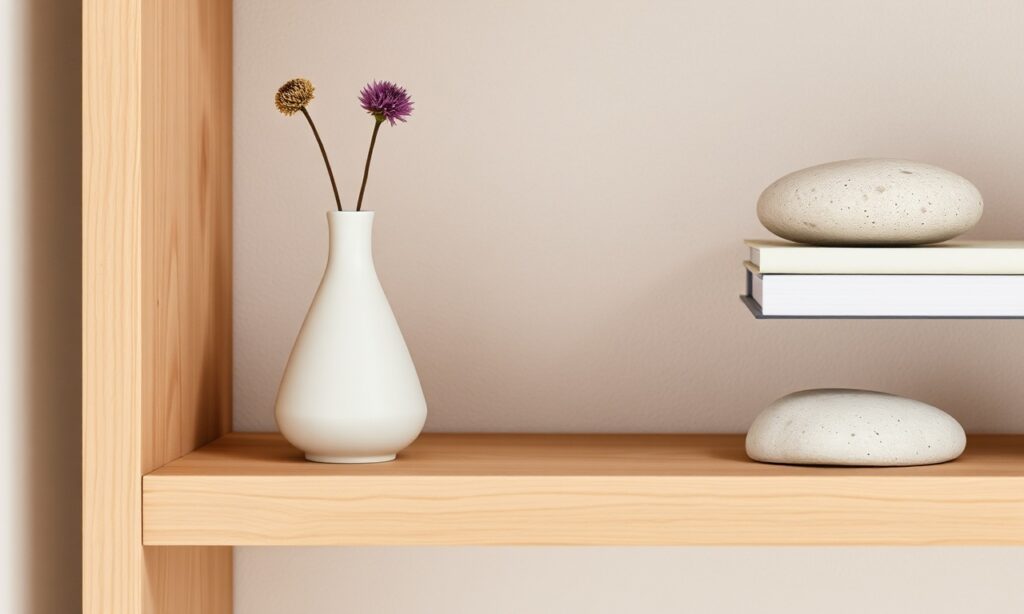
Less is more. Instead of filling surfaces with knick-knacks, choose a few meaningful pieces. This could be a single piece of art, a beautifully crafted vase, or a collection of books neatly arranged. The focus should be on quality over quantity, with each item adding a subtle layer of personality without overwhelming the space.
Layer Soft, Ambient Lighting
Avoid harsh overhead lighting. Instead, use a combination of table lamps with fabric shades, floor lamps, and perhaps some subtle LED strip lighting behind furniture or shelves to create a warm, inviting glow. Dimmers are a valuable addition, allowing you to adjust the light intensity to suit the mood.
The Global Reach and Adaptability of the Korean Room Aesthetic
The remarkable success of the Korean room aesthetic lies not only in its intrinsic qualities but also in its remarkable adaptability. What originated from a specific cultural context has proven to be universally appealing, transcending geographical and cultural boundaries.
From K-Dramas to Real Homes: The Power of Visual Media
The proliferation of Korean dramas (K-dramas), films, and social media content has played a pivotal role in popularizing this aesthetic. Viewers are consistently exposed to beautifully designed, tranquil living spaces that reflect aspirational lifestyles. Platforms like Instagram and Pinterest are flooded with images tagged #KoreanRoom, #KStyle, and #MinimalistHome, showcasing how individuals worldwide are embracing these design principles. This visual immersion creates a strong desire to replicate that sense of calm and beauty in one’s own environment. Reports indicate exponential growth in the global market for K-content, directly influencing consumer trends in various sectors, including home decor.
Adaptability Across Different Spaces and Budgets
One of the most compelling aspects of the Korean room aesthetic is its inherent flexibility. It’s not a style reserved for large, modern homes. The core principles of minimalism, natural materials, and intentional organization can be applied to small apartments, student dormitories, or even single rooms within a larger house. The focus on decluttering and smart storage means that even limited spaces can feel expansive and serene. Furthermore, the aesthetic can be achieved on various budgets. While high-end natural materials can be expensive, strategic use of paint, plants, and thoughtful arrangement of existing furniture can still yield beautiful results. The emphasis is on the philosophy of mindful living, not on the price tag of the items.
The Fusion with Other Design Styles
The Korean room aesthetic also demonstrates a remarkable capacity for fusion with other interior design styles. It can be smoothly connect with Scandinavian minimalism, Japanese Wabi-Sabi, or even Bohemian aesthetics, creating unique and personalized spaces. For instance, pairing Korean low-profile furniture with Scandinavian-inspired textiles or incorporating Japanese Wabi-Sabi elements like imperfect ceramics can lead to incredibly rich and inviting interiors. This blendability allows individuals to adopt the core principles while still expressing their personal style and incorporating existing decor.
[WARNING]Pro-Caution: While the Korean room aesthetic champions minimalism, it’s crucial to avoid creating a space that feels sterile or cold. The inclusion of warm textures, personal items, and living plants is vital to ensure the room feels welcoming and truly lived-in, rather than simply bare. The balance between simplicity and comfort is key.
Frequently Asked Questions
Is the Korean room aesthetic only about minimalism?
While minimalism is a cornerstone of the Korean room aesthetic, it extends beyond just having few possessions. It encompasses a deliberate philosophy of intentional living, focusing on creating a serene, functional, and harmonious environment. This includes the thoughtful use of natural materials, a calm color palette, and an emphasis on natural light, all contributing to a sense of well-being.
What are the most important colors to use in a Korean room?
The dominant color palette consists of neutral and earthy tones. Think soft whites, creams, beige, light greys, and muted greens or browns. These colors are chosen for their calming properties and their ability to create a sense of spaciousness and tranquility. Avoid bright, saturated, or dark, heavy colors, which can detract from the intended serene atmosphere.
How can I incorporate plants into my Korean room design effectively?
Plants are essential for bringing life and a natural element into a Korean room. Choose a few well-selected plants rather than an abundance. Opt for species with clean lines and simple foliage, such as snake plants, ZZ plants, or peace lilies. Place them in minimalist pots that complement the room’s color scheme. They should enhance the tranquility, not overwhelm the space.
Is floor seating mandatory for a Korean room?
While traditional Korean living often involves floor seating, it is not strictly mandatory for achieving the aesthetic in a modern context. If floor seating appeals to you, incorporate comfortable floor cushions or zabuton. Alternatively, opt for low-profile sofas and chairs that maintain a sense of openness and keep the visual line low, which is a key principle of the aesthetic.
How do I balance the minimalist aspect with making a room feel personal and cozy?
The key is intentional curation. Instead of filling surfaces with many small items, choose a few meaningful pieces that hold personal significance. This could be a piece of art, a handcrafted object, or a collection of well-loved books. Incorporating soft, natural textiles like linen or cotton for curtains, bedding, and throws, along with warm lighting, also adds a cozy and inviting feel without compromising the minimalist foundation.
Final Recommendations for Embracing the Korean Room Aesthetic
The Korean room aesthetic offers a profound invitation to cultivate a more peaceful, intentional, and harmonious living space. It’s a journey that begins not with acquiring new items, but with a conscious decision to simplify, declutter, and reconnect with the fundamental elements that foster well-being. By embracing natural materials, a calming color palette, and the principles of thoughtful organization, you can transform any room into a sanctuary that nourishes the mind and soul. Remember that authenticity and personal expression are paramount; let the core philosophy guide your choices, and you will create a space that is not just beautiful, but deeply resonant with you.
See also: Korean room