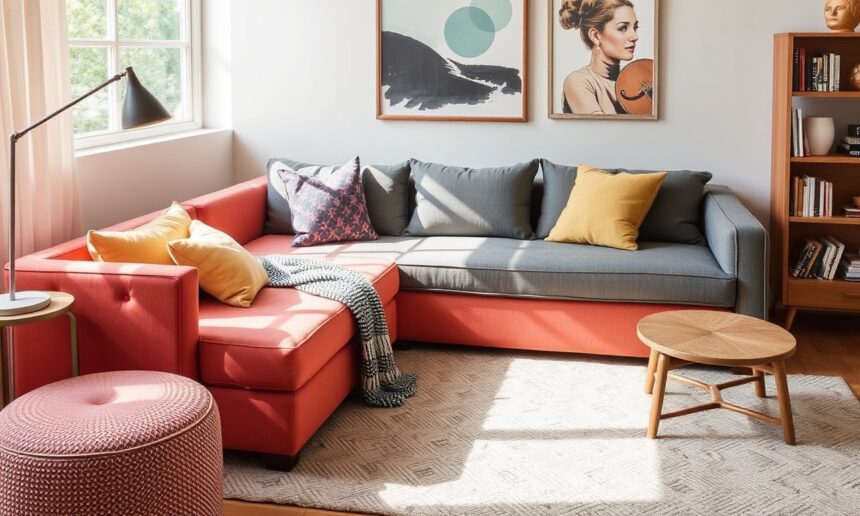
“The sofa bed is proof of human ingenuity in the face of limited living spaces. It’s not just furniture; it’s a strategic solution for modern living.” – Renowned Interior Designer, Anya Sharma
- The Evolving Landscape of Sofa Bed Mechanisms
- The Classic Pull-Out (Sofa Bed) Mechanism
- The Futon Sofa Bed
- The Click-Clack or Click-Sofa Mechanism
- The Storage Sofa Bed
- The Wall Bed (Murphy Bed) Sofa Combination
- Materials Matter: Upholstery, Frame, and Mattress Quality
- Battle-Tested Designs for Maximum Space and Comfort
- Optimizing Your Space: Beyond the Sofa Bed Itself
- Choosing the Right Sofa Bed: A Step-by-Step Approach
- Frequently Asked Questions
- What is the most comfortable type of sofa bed?
- How can I make a sofa bed more comfortable for guests?
- Are sofa beds durable for everyday use as a sofa?
- What is the difference between a sofa bed and a sleeper sofa?
- How much space do I need for a sofa bed?
- Final Recommendations
Sofa bed designs have evolved dramatically from the clunky, uncomfortable pull-outs of yesteryear. Today’s market offers a sophisticated array of options that masterfully blend the comfort of a traditional sofa with the practicality of a guest bed, all while optimizing precious living space. For urban dwellers, those in smaller homes, or anyone who values versatility, the sofa bed is an indispensable piece of furniture. This guide explores battle-tested designs that deliver maximum space efficiency and genuine comfort, ensuring your living area is both stylish and supremely functional.
The primary challenge with many sofa beds has historically been the compromise: either it’s a comfortable sofa that makes a mediocre bed, or a functional bed that’s an eyesore as a sofa. However, advancements in engineering and upholstery have significantly blurred these lines. The best modern sofa beds are designed with dual functionality at their core, utilizing innovative mechanisms and high-quality materials to ensure both modes of use are exceptional. Understanding the different types of mechanisms and construction materials is crucial to making an informed purchase that will serve you well for years to come.
The true beauty of a well-designed sofa bed lies in its ability to seamlessly transform, offering both elegant seating and a restful haven without sacrificing style or comfort.
The Evolving Landscape of Sofa Bed Mechanisms
At the heart of every sofa bed’s functionality lies its mechanism – the system that allows it to transition from sofa to bed. The type of mechanism dictates not only the ease of use but also the comfort of the mattress and the overall durability of the piece. Understanding these mechanisms is the first step in identifying a sofa bed that meets your specific needs.
Wikipedia: Contents — Wikipedia
The Classic Pull-Out (Sofa Bed) Mechanism
This is perhaps the most traditional and widely recognized type. It involves a mattress stored within the sofa frame, which is pulled out on a metal or wooden frame.
- Operation: Typically, cushions are removed, and a hidden handle or strap is used to pull out a folded frame, revealing the mattress. The frame often consists of multiple sections that fold out.
- Pros: Generally straightforward to operate, with many models offering a relatively flat sleeping surface. The mattress is usually integrated, meaning no separate storage is needed.
- Cons: Can be heavy and cumbersome to operate, especially older models. The folded frame can sometimes be felt through the mattress, impacting comfort. Durability can vary significantly based on the quality of the frame and hinges.
The Futon Sofa Bed
A futon sofa bed is a hybrid design that typically uses a foldable mattress that rests on a slatted or solid frame. It can be adjusted to sit upright as a sofa or laid flat as a bed.
- Operation: The frame is manually adjusted to either lean back for sofa seating or lay completely flat for a bed.
- Pros: Often more affordable and simpler in design. Can be quite comfortable as a bed, especially with thicker, high-quality futon mattresses.
- Cons: The “sofa” configuration can sometimes feel less substantial or less plush than a traditional sofa. The transition might require some effort, and the mattress can shift over time.
The Click-Clack or Click-Sofa Mechanism
This mechanism is known for its simplicity and ease of use. The sofa back reclines backward and then “clicks” into a flat position, becoming part of the bed.
- Operation: The backrest is pushed forward to release a locking mechanism, then reclined backward until it clicks into a horizontal position.
- Pros: Extremely easy and quick to convert. Requires minimal effort and no cushion removal. Often results in a firm, even sleeping surface.
- Cons: The sleeping surface is typically the same as the sofa seating area, meaning less plushness. The frame might be more basic, and the mattress is often integrated into the sofa’s structure, limiting thickness.
The Storage Sofa Bed
This innovative design incorporates a pull-out or lift-up storage compartment, usually beneath the seating area.
- Operation: Often features a pull-out drawer at the base, which then lifts to reveal a secondary mattress or sleeping surface. Alternatively, some models have a lift-up chaise or seat to access stored bedding.
- Pros: Excellent for maximizing space by providing storage for bedding, duvets, and pillows. The pull-out bed can be quite comfortable.
- Cons: Can be bulkier and heavier due to the added storage. The mechanism for accessing the bed might be more complex.
The Wall Bed (Murphy Bed) Sofa Combination
While not strictly a sofa bed in the traditional sense, these are highly effective space-saving solutions. They involve a bed that folds up vertically into a cabinet or wall unit, often with a sofa integrated into the front of the unit or positioned in front of it.
- Operation: The bed is lowered from its vertical position, often using a counterbalancing system, and then secured. The sofa might need to be moved slightly or is designed to fold away.
- Pros: The ultimate space-saver, completely freeing up floor space when the bed is not in use. Offers a true, comfortable mattress experience.
- Cons: Significant investment and installation complexity. Requires dedicated wall space. The sofa integration can sometimes limit the design of either component.
Materials Matter: Upholstery, Frame, and Mattress Quality
Beyond the mechanism, the materials used in a sofa bed are paramount to its comfort, durability, and aesthetic appeal.
Frame Construction
The backbone of any sofa bed is its frame. Opt for frames constructed from kiln-dried hardwood or sturdy metal. Plywood is also acceptable if it’s robust and layered. Avoid particleboard or flimsy composite woods, as these are prone to warping and breaking under stress. A well-constructed frame ensures the sofa bed can withstand frequent conversions and daily use.
Upholstery Choices
The fabric choice impacts both the look and feel of your sofa bed, as well as its longevity and ease of cleaning.
- Durability: For high-traffic areas or homes with pets and children, opt for tightly woven fabrics like microfiber, leather, or durable synthetic blends. Look for high “rub counts” (Martindale or Wyzenbeek tests) for superior wear resistance.
- Comfort: Natural fibers like cotton, linen, and wool offer breathability and a luxurious feel, but can be more prone to staining and wear.
- Maintenance: Consider stain-resistant treatments or removable, washable covers for easier upkeep.
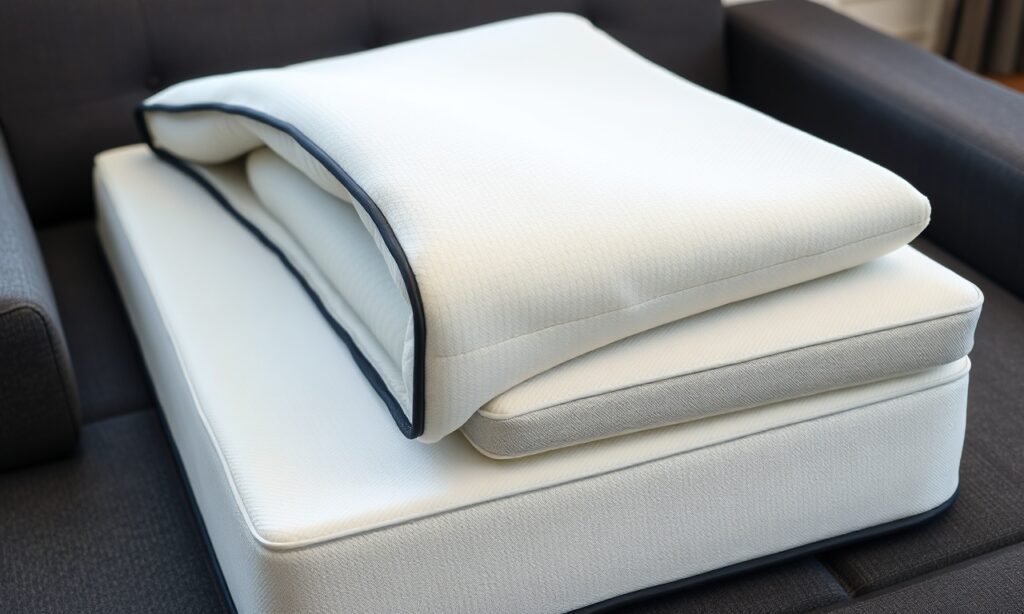
Mattress Quality
This is arguably the most critical component for guest comfort. A thin, cheap mattress will inevitably lead to an uncomfortable night’s sleep, regardless of how sophisticated the sofa mechanism is.
- Types: Traditional sofa beds often use innerspring mattresses, which can vary greatly in quality. High-density foam or memory foam mattresses offer superior comfort and support, conforming to the body and reducing pressure points.
- Thickness: Aim for a mattress at least 5 inches thick for a good balance of comfort and support. Thicker mattresses generally provide a more substantial and comfortable sleeping surface.
- Interconnected Springs: Some higher-end models use a system of interconnected springs that distribute weight evenly and prevent the “bar feeling” sometimes associated with older sofa beds.
Research indicates that mattress comfort significantly impacts sleep quality, with factors like support and pressure relief being key. This underscores the importance of prioritizing the mattress when selecting a sofa bed.
Battle-Tested Designs for Maximum Space and Comfort
When space is at a premium, a sofa bed is not merely a piece of furniture; it’s a strategic investment in functionality and guest accommodation. The most effective designs are those that integrate seamlessly into your living space, offering dual utility without compromise.
The Integrated Sleeper Sofa
This is the most common and often the most successful type for balancing sofa comfort with bed functionality.
- Design: Features a traditional sofa appearance with a hidden mattress and frame that pulls out from beneath the seat cushions.
- Space-Saving Aspect: Occupies the footprint of a standard sofa, providing seating for multiple people and a comfortable sleeping surface for one or two, without needing additional space for a separate bed.
- Comfort Features: Modern versions often boast thick, high-density foam or even pocket-sprung mattresses, significantly improving sleeping comfort. The sofa cushions are typically separate, allowing for a flatter sleeping surface once removed.
- Expert Insight: Look for models where the mattress is a single piece, rather than segmented, as this often leads to a more uniform and comfortable sleeping experience.
The Sleeper Sectional
For those with slightly more room, a sleeper sectional offers expanded seating and a larger sleeping area.
- Design: A sectional sofa with one or more sections designed to convert into a bed. This can be a pull-out sofa section or a chaise lounge that lifts to reveal a bed.
- Space-Saving Aspect: While larger than a standard sofa, it consolidates seating and sleeping into one unit, ideal for L-shaped or corner spaces. Many feature built-in storage.
- Comfort Features: Often provide generous seating and can accommodate larger mattresses. Some high-end models offer queen-sized bed configurations.
- Practical Scenario: A family with occasional overnight guests might find a sleeper sectional perfect for their living room, allowing them to entertain comfortably during the day and host guests without needing a dedicated guest room.
The Armless Sofa Bed
This minimalist design emphasizes clean lines and compact dimensions.
- Design: Lacks arms, which reduces its overall width and visual bulk. The mattress often folds out from the back or base.
- Space-Saving Aspect: Ideal for very small apartments, studios, or narrow spaces where traditional sofas might feel overwhelming.
- Comfort Features: While potentially less plush as a sofa due to the absence of arms, the sleeping surface can be surprisingly comfortable if well-constructed.
The Modular Sofa Bed
Flexibility is the hallmark of modular designs, allowing you to reconfigure your seating and sleeping arrangements as needed.
- Design: Composed of individual units that can be rearranged into different configurations – a sofa, a bed, a chaise lounge, or even separate seating elements.
- Space-Saving Aspect: Adaptable to various room layouts and needs, making it a versatile solution for dynamic living spaces.
- Comfort Features: Each module is typically well-padded and comfortable in its own right, and the integrated bed components are often engineered for ease of use and good support.
Optimizing Your Space: Beyond the Sofa Bed Itself
The effectiveness of a sofa bed in maximizing space extends beyond the piece of furniture itself. Smart design choices and strategic placement can enhance its utility.
Strategic Placement
Position your sofa bed in a central living area or a multi-functional room. Ensure there is adequate clearance around it for easy conversion. Consider proximity to power outlets if you plan to use lamps or charging devices for your guests.
Storage Solutions
To maintain the sleek, uncluttered look that maximizes perceived space, invest in smart storage.
- Built-in Storage: Many sofa beds now come with integrated storage for bedding. If yours doesn’t, consider ottomans or decorative chests that can double as seating and storage.
- Under-Bed Storage: For sofa beds with a pull-out mechanism, the space beneath the sofa frame can sometimes be utilized for slim storage bins if the frame design allows.
Multi-Functional Furniture
Pair your sofa bed with other multi-functional pieces. A coffee table with hidden storage, nesting side tables, or ottomans that can serve as footrests, extra seating, or coffee tables can further enhance space efficiency.
According to recent market analysis, the global market for sofa beds is projected to grow, driven by urbanization and a demand for flexible living solutions. This trend highlights the increasing necessity for furniture that serves multiple purposes without compromising aesthetics or comfort.
Choosing the Right Sofa Bed: A Step-by-Step Approach
Selecting the perfect sofa bed requires careful consideration of your needs and preferences. Here’s a structured approach to guide your decision:
- Assess Your Space: Measure the intended location for the sofa bed, considering both its sofa and bed dimensions. Account for the space needed to open and close the bed.
- Define Your Usage: How often will it be used as a bed? For daily use, a higher-quality mattress and robust mechanism are essential. For occasional guests, a more budget-friendly option might suffice.
- Prioritize Comfort: Sit on it as a sofa and, if possible, test its bed configuration. Feel for the frame through the mattress. Check the firmness and support of both the cushions and the sleeping surface.
- Evaluate the Mechanism: Ensure the conversion process is smooth, easy, and can be operated by the intended users. Test it multiple times if possible.
- Inspect Construction Quality: Look for solid wood frames, quality upholstery, and well-finished seams. A well-built sofa bed will feel sturdy and durable.
- Consider Style and Aesthetics: Choose a design that complements your existing decor. Sofa beds come in a vast array of styles, from modern and minimalist to traditional and classic.
- Read Reviews and Seek Recommendations: Online reviews and word-of-mouth can provide invaluable insights into the real-world performance and durability of specific models.
The ideal sofa bed is a silent workhorse in your home – offering elegant comfort by day and a restful sanctuary by night, all while maximizing the utility of your living space.
The Importance of a Quality Mattress
It cannot be overstated: the mattress is the heart of a comfortable sofa bed. A mattress that is too thin or made of low-density foam will lead to an uncomfortable sleep, regardless of the sofa’s appearance or mechanism. Research indicates that sleep disturbances can have significant negative impacts on cognitive function and overall well-being. Therefore, investing in a sofa bed with a superior mattress is an investment in the health and comfort of your guests. For instance, memory foam mattresses, known for their pressure-relieving properties, can be a superior choice for enhanced guest comfort.

Frequently Asked Questions
What is the most comfortable type of sofa bed?
The most comfortable sofa beds typically feature a high-density foam or memory foam mattress, at least 5 inches thick, with a robust, well-engineered mechanism that creates a flat and supportive sleeping surface. Integrated sleeper sofas and those with pull-out mechanisms often offer the best balance of sofa comfort and bed comfort.
How can I make a sofa bed more comfortable for guests?
To enhance guest comfort on a sofa bed, consider adding a mattress topper made of memory foam or a plush material. Ensure you have clean, high-quality bedding, including extra blankets and pillows. A small bedside table with a lamp and perhaps a charging station can also make a significant difference.
Are sofa beds durable for everyday use as a sofa?
Yes, modern, well-constructed sofa beds are designed for durability. However, the frequency of conversion to a bed will impact its lifespan. For daily use as both a sofa and a bed, opt for high-quality materials, robust mechanisms, and strong frame construction.
What is the difference between a sofa bed and a sleeper sofa?
While often used interchangeably, “sofa bed” is a more general term. A “sleeper sofa” specifically refers to a sofa that converts into a bed, typically with a mattress pulled out from underneath the seating area. Futons and click-clack sofas are also types of sofa beds but might have different conversion mechanisms.
How much space do I need for a sofa bed?
You need to account for the sofa’s dimensions in its sofa form, plus the additional length and width required to fully extend the bed. Always check the manufacturer’s specifications for the “open” or “extended” dimensions and ensure you have at least 2-3 feet of clearance in front of the sofa for easy conversion.
Final Recommendations
Investing in a battle-tested sofa bed design is a strategic move for any homeowner looking to maximize space without sacrificing comfort or style. By carefully considering the mechanism, materials, and your specific needs, you can find a piece of furniture that seamlessly transitions from a stylish seating solution to a welcoming guest bed. Prioritize quality construction and a superior mattress to ensure both you and your guests enjoy years of comfortable use. The right sofa bed isn’t just furniture; it’s a key to unlocking the full potential of your living space.
See also: sofa bed