The Allure of Less: Embracing the Minimalist Apartment
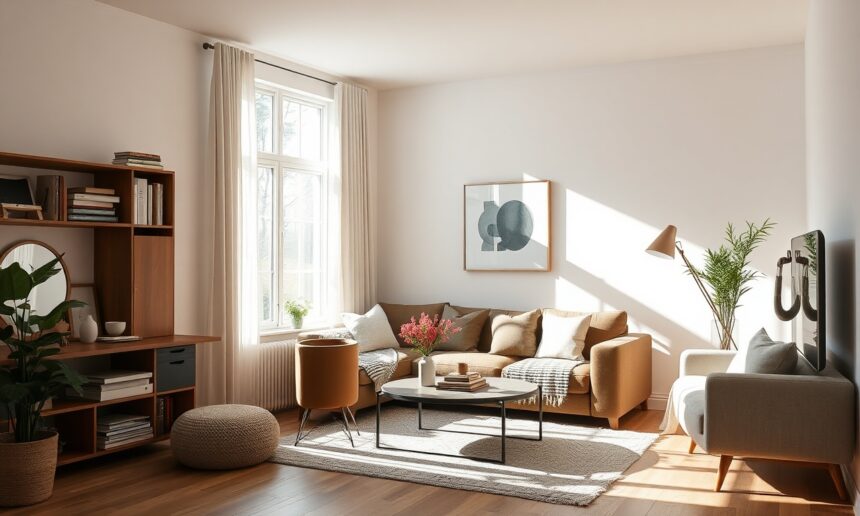
Imagine walking into your living space after a long, demanding day. Instead of being greeted by overflowing countertops, stacks of unsorted mail, or a wardrobe that screams “what to wear?” in a frantic cacophony, you’re met with an expanse of calm. Sunlight streams through uncluttered windows, illuminating a carefully curated space where each object has a purpose, a place, and a beauty that resonates. This isn’t a fantasy; it’s the tangible reality of a well-executed minimalist apartment. For many, the concept conjures images of stark white rooms and empty shelves, but the true essence of a minimalist apartment is far richer, focusing on intentionality, quality over quantity, and a profound sense of peace derived from shedding the superfluous.
- The Allure of Less: Embracing the Minimalist Apartment
- Deconstructing the Minimalist Apartment: More Than Just Aesthetics
- The Practical Pillars of a Clutter-Free Minimalist Apartment
- The Psychology of Space: How a Minimalist Apartment Enhances Well-being
- Beyond the Basics: Advanced Strategies for the Dedicated Minimalist Apartment Dweller
- The Financial and Environmental Ripple Effect of a Minimalist Apartment
- Frequently Asked Questions
- What is the most challenging aspect of starting a minimalist apartment?
- How do I maintain a minimalist apartment once I’ve decluttered?
- Is minimalism only for small apartments?
- Can I still have decorative items in a minimalist apartment?
- What are the benefits of a minimalist apartment for mental health?
- Final Recommendations for Your Minimalist Apartment Journey
It’s a lifestyle choice that extends beyond mere aesthetics, impacting mental well-being, financial freedom, and environmental consciousness.
The modern urban dweller often faces the challenge of maximizing a limited footprint. In cities where square footage comes at a premium, the temptation to fill every nook and cranny can be overwhelming. Yet, the growing movement towards minimalism in apartment living offers a powerful counter-narrative. It’s not about deprivation; it’s about liberation. It’s about reclaiming your space and, by extension, your time and mental energy from the constant demands of managing possessions. The minimalist apartment, therefore, is proof of a deliberate, thoughtful approach to dwelling, where every item is an intentional addition, contributing to a harmonious and functional environment.
The minimalist apartment isn’t about owning nothing; it’s about owning the right things. It’s about curating a life of intention, not accumulation.
Key Insights & Takeaways
- Intentionality is Paramount: A minimalist apartment prioritizes purposeful items, discarding those that don’t serve a function or bring genuine joy.
- Space as a Sanctuary: The core benefit is transforming your apartment into a peaceful retreat, reducing stress and enhancing mental clarity.
- Quality Over Quantity: Focus shifts from accumulating numerous items to investing in fewer, higher-quality pieces that endure.
- Financial and Environmental Benefits: Minimalism often leads to reduced spending and a smaller ecological footprint through conscious consumption.
Deconstructing the Minimalist Apartment: More Than Just Aesthetics
The visual appeal of a minimalist apartment—clean lines, neutral palettes, and abundant negative space—is often the most immediate draw. However, to truly understand its value, one must look beyond the surface. At its heart, minimalist apartment living is a philosophy centered on intentionality. It’s the conscious decision to live with only the things you truly need or love. This principle directly combats the pervasive consumer culture that encourages constant acquisition, often leading to clutter that encroaches upon our living spaces and, consequently, our mental bandwidth. Research suggests a link between clutter and increased cortisol levels, the body’s primary stress hormone, indicating a potential physiological impact of disorganization on well-being.
This intentionality manifests in several key areas. Firstly, it involves a rigorous decluttering process. This isn’t a one-time event but an ongoing practice of evaluating possessions and making difficult decisions. Secondly, it necessitates mindful purchasing habits. Before bringing anything new into the home, a minimalist apartment dweller will ask: Do I truly need this? Does it add value to my life? Where will it live? This shift from impulse buying to considered acquisition is a cornerstone of sustainable minimalism. Finally, it involves creating designated homes for everything. When every item has a place, tidying up becomes a simple matter of returning things to their designated spots, preventing the gradual accumulation of clutter that can so easily overwhelm an apartment.
The Practical Pillars of a Clutter-Free Minimalist Apartment
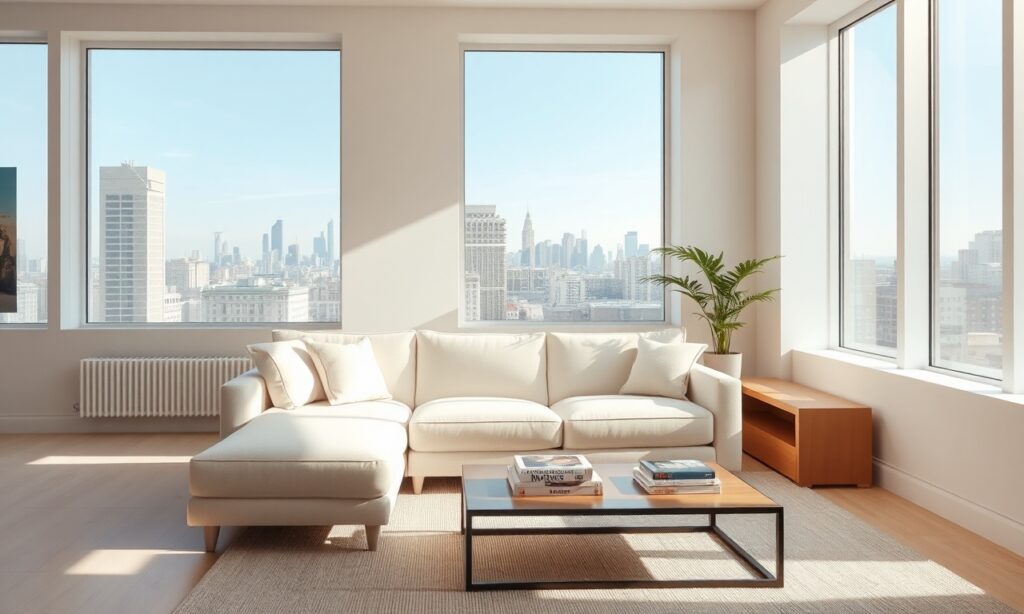
Achieving a truly clutter-free minimalist apartment requires a systematic approach, moving beyond aspirational ideals to concrete actions. It’s about establishing habits and systems that support a simplified lifestyle. The journey typically begins with a comprehensive decluttering phase, a process that can feel daunting but is undeniably cathartic. This involves going through possessions category by category—clothing, books, kitchenware, decor, sentimental items—and making decisions based on usefulness, frequency of use, and emotional connection.
The “KonMari Method,” popularized by Marie Kondo, offers a structured approach, encouraging individuals to keep only items that “spark joy.” While the interpretation of “joy” can be subjective, the underlying principle of intentional selection is key. For items that don’t spark joy but are still necessary, the focus shifts to utility. Essential items, like functional kitchen tools or reliable electronics, are retained. The crucial step following decluttering is establishing organizational systems. This means assigning a specific home for every item. For instance, all keys belong in a designated dish by the door; all charging cables are stored together in a drawer organizer; all seasonal clothing is neatly packed away until needed.
Decluttering Strategies for Apartment Living
- The One-In, One-Out Rule: For every new item that enters your home, an old one must leave. This is particularly effective for categories prone to accumulation, like clothing or books.
- The Storage Audit: Regularly assess what’s stored in your closets, cabinets, and drawers. If you haven’t used something in over a year, seriously consider letting it go.
- Sentimental Item Sorting: This can be the most challenging aspect. Limit sentimental items to a curated collection. Photographing items or keeping a single representative piece can preserve memories without the physical burden.
- Digital Decluttering: Extend minimalism to your digital life. Organize files, unsubscribe from unnecessary email lists, and delete unused apps to reduce mental clutter.
The Psychology of Space: How a Minimalist Apartment Enhances Well-being
The impact of our environment on our mental state is profound and often underestimated. A cluttered living space can act as a constant visual distraction, a persistent reminder of unfinished tasks, and a source of underlying stress. In contrast, a minimalist apartment fosters an atmosphere of calm and control. Studies have shown a correlation between living in organized environments and improved focus, reduced anxiety, and enhanced mood. For instance, research suggests a link between physical disorder and psychological distress, with participants in cluttered homes showing higher levels of stress hormones compared to those in tidy homes.
This sense of order extends beyond the physical. By simplifying their material possessions, individuals often find they have more mental space to focus on what truly matters—relationships, personal growth, hobbies, and experiences. The time previously spent cleaning, organizing, and searching for misplaced items is now freed up for more fulfilling activities. Furthermore, the intentionality behind a minimalist lifestyle cultivates a sense of gratitude and appreciation for the things one *does* own. Instead of being overwhelmed by abundance, there’s a mindful enjoyment of each item that contributes to the home’s harmony. This shift in perspective can lead to a more positive outlook and a greater sense of contentment.
Beyond the Basics: Advanced Strategies for the Dedicated Minimalist Apartment Dweller
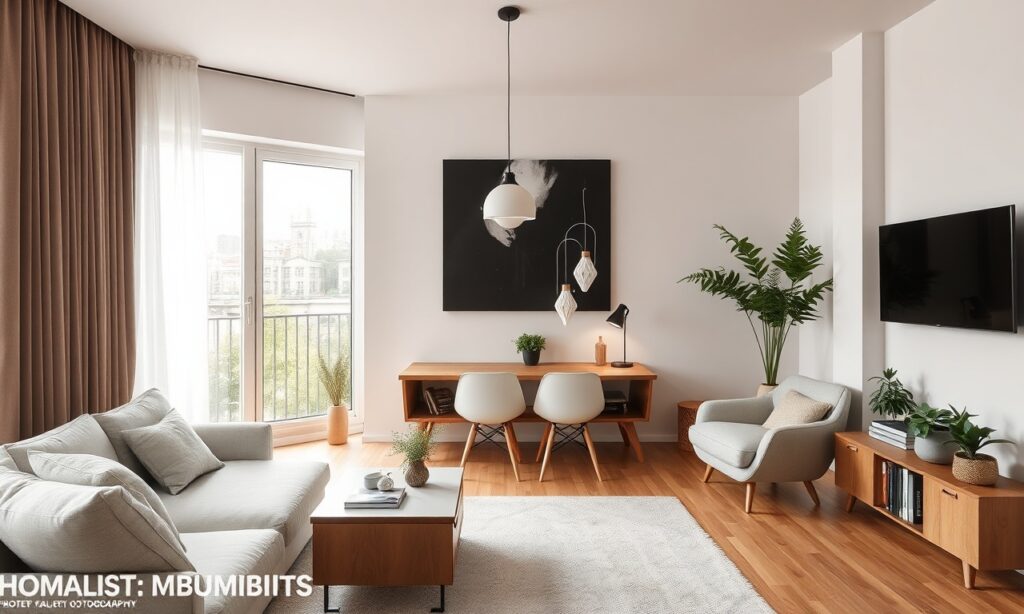
Once the foundational decluttering and organizational systems are in place, the minimalist apartment dweller can explore more advanced strategies to deepen their practice and further refine their living environment. This involves a continuous commitment to intentionality and a critical evaluation of consumption habits. One such strategy is embracing multi-functional furniture. In a smaller apartment, pieces that serve multiple purposes—like an ottoman with hidden storage, a sofa bed, or a dining table that doubles as a workspace—are invaluable for maximizing utility without sacrificing precious floor space.
Another advanced technique is the concept of a “capsule wardrobe.” This involves curating a small collection of versatile, high-quality clothing items that can be mixed and matched to create numerous outfits. This not only simplifies dressing in the morning but also reduces the sheer volume of clothing that needs to be managed. Similarly, a “capsule kitchen” focuses on essential, high-quality tools and a limited number of versatile ingredients, making meal preparation more efficient and enjoyable. The philosophy extends to decor; instead of seasonal rotations of knick-knacks, a minimalist apartment embraces timeless, meaningful pieces that can be enjoyed year-round.
Curating Your Minimalist Apartment Experience
- Embrace Negative Space: Understand that empty areas in your apartment are not voids to be filled, but intentional design elements that promote calm and visual rest.
- Invest in Quality: Prioritize durable, well-made items that will last. This often means spending more upfront but saves money and reduces waste in the long run.
- The “Display” Philosophy: If an item is beautiful and functional, consider displaying it thoughtfully rather than hiding it away. This elevates everyday objects into decor.
- Mindful Digital Consumption: Extend minimalism to screens. Curate your social media feeds, limit notifications, and engage with content intentionally.
The Financial and Environmental Ripple Effect of a Minimalist Apartment
The benefits of adopting a minimalist apartment lifestyle extend far beyond the confines of one’s living space, creating significant positive ripples in both personal finances and environmental impact. By shifting focus from acquisition to intentionality, consumers naturally reduce their spending. The constant urge to buy the latest gadgets, trendy clothing, or unnecessary home decor diminishes when one prioritizes needs over wants. This can lead to substantial savings, allowing individuals to allocate funds towards experiences, investments, or debt reduction—goals that often provide more lasting fulfillment than material possessions. Research indicates that living spaces have grown in size over decades, often leading to more consumption and a larger environmental footprint. Minimalism offers a conscious counterpoint to this trend.
Environmentally, the impact is equally significant. Reduced consumption directly translates to less waste entering landfills, fewer resources extracted from the earth, and a smaller carbon footprint associated with manufacturing and transportation. Choosing durable, high-quality items also means replacing them less frequently, further minimizing waste. For instance, opting for a well-crafted, ethically sourced piece of furniture over several less durable, mass-produced items conserves resources and supports sustainable production practices. The minimalist apartment dweller becomes a more conscious consumer, actively participating in a more sustainable global economy. This mindful approach to living is not just about personal well-being; it’s a contribution to a healthier planet.
Frequently Asked Questions
What is the most challenging aspect of starting a minimalist apartment?
The most challenging aspect is often the emotional attachment to possessions and the fear of letting go. Many people accumulate items over years, and each object can hold memories or represent a past self. Overcoming this requires a mindset shift, focusing on the present and future rather than the past, and understanding that memories are not stored in objects but within oneself. The process of decluttering can also be physically and mentally exhausting, requiring significant time and decision-making energy.
How do I maintain a minimalist apartment once I’ve decluttered?
Maintenance is an ongoing practice. The key is to establish mindful consumption habits, adhering to rules like “one in, one out.” Regularly reassessing your belongings (perhaps seasonally) and tidying up daily by putting items back in their designated homes are crucial. It also involves consciously resisting impulse purchases and regularly questioning whether new acquisitions truly add value to your life and space.
Is minimalism only for small apartments?
No, minimalism can be applied to any size dwelling, from a studio apartment to a large house. While the challenges and strategies might differ slightly based on space, the core principles of intentionality, quality over quantity, and living with what you need and love remain the same. In larger homes, the risk of accumulating more possessions can be higher, making mindful living even more critical.
Can I still have decorative items in a minimalist apartment?
Absolutely. Minimalism doesn’t equate to an absence of personality or decor. Instead, it emphasizes intentional and meaningful decoration. This means choosing a few carefully selected items that you genuinely love and that enhance the space, rather than filling surfaces with numerous trinkets. The focus is on curated beauty and items that bring you joy or serve a purpose.
What are the benefits of a minimalist apartment for mental health?
A minimalist apartment significantly benefits mental health by reducing stress and anxiety associated with clutter. A tidy and organized environment promotes a sense of calm, focus, and control. It frees up mental energy, allowing individuals to concentrate on more important aspects of their lives, leading to increased productivity, improved mood, and a greater sense of peace and well-being.
Final Recommendations for Your Minimalist Apartment Journey
Embarking on the path to a minimalist apartment is a journey of self-discovery and intentional living. It’s not about adhering to rigid rules, but about cultivating a conscious relationship with your possessions and your space. Start small, perhaps with a single drawer or closet, and gradually expand your efforts. Celebrate each small victory, acknowledging the progress you make. Remember that perfection is not the goal; consistent effort and a commitment to intentionality are. By embracing the principles of minimalism, you are not just decluttering your apartment; you are decluttering your life, making space for what truly matters.
Your apartment can become more than just a place to live; it can be a sanctuary, a source of calm, and a true reflection of a life lived with purpose and peace.
See also: minimalist apartment