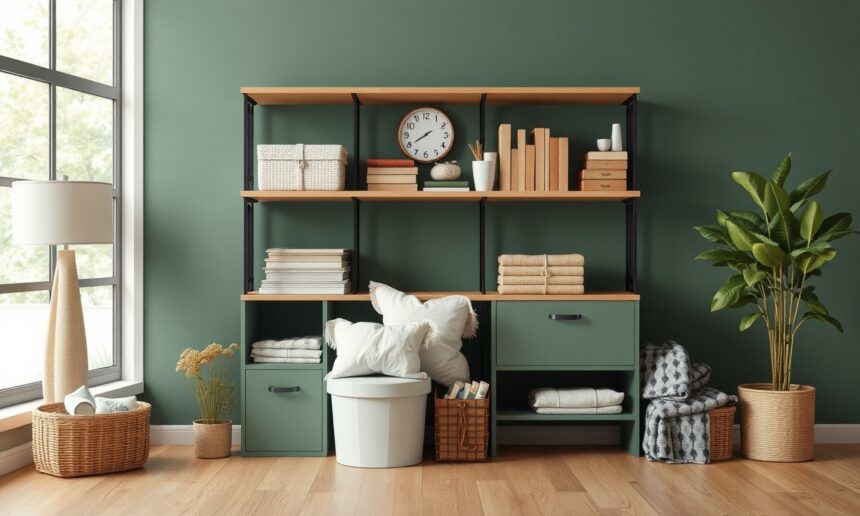
Smart storage. The mere phrase often conjures images of meticulously organized closets and perfectly arranged pantries. Yet, for most, it represents a persistent, nagging challenge: the overwhelming accumulation of possessions that threaten to consume our living spaces and, consequently, our peace of mind. We acquire, we keep, and before we know it, our homes become repositories for the past, hindering our ability to live fully in the present. This isn’t just about aesthetics; it’s about reclaiming mental clarity, reducing stress, and fostering an environment conducive to productivity and well-being. The journey to mastering smart storage isn’t a quick fix; it’s a fundamental shift in how we relate to our belongings and the spaces we inhabit.
- The Foundation of Smart Storage: Mindful Consumption
- Strategic Decluttering: The Art of Letting Go
- Smart Storage Solutions: Maximizing Every Inch
- The Psychological Benefits of Smart Storage
- Maintaining Smart Storage: Habits for Lasting Order
- Smart Storage for Different Lifestyles
- The Long-Term Impact of Smart Storage
- Frequently Asked Questions
- What is the most effective first step in decluttering for smart storage?
- How do I deal with sentimental items that are difficult to let go of?
- Is it better to buy new storage solutions or declutter first?
- How can I involve my family in smart storage efforts?
- What are some common mistakes people make when trying to implement smart storage?
- Final Recommendations
Key Takeaways:
- Smart storage is not merely about organizing possessions; it’s a holistic approach to decluttering that impacts mental clarity and overall well-being.
- Implementing effective smart storage strategies requires a mindful approach to consumption and a willingness to let go of items that no longer serve a purpose.
- The benefits of smart storage extend beyond physical space, fostering a sense of control, reducing stress, and improving efficiency in daily life.
- A phased, systematic approach to decluttering and implementing smart storage solutions is more sustainable than sudden, drastic measures.
The reality is that clutter isn’t just physical; it’s emotional. That forgotten box in the attic might hold sentimental value, but it also represents a dormant decision, an unresolved attachment. The constant visual noise of overflowing shelves can contribute to a feeling of being overwhelmed, making it harder to focus and relax. Research has consistently shown a correlation between clutter and increased levels of stress and anxiety. For instance, a study found that women who described their homes as cluttered or full of unfinished projects were more likely to be depressed and fatigued than those who described their homes as restful and restorative. This underscores the profound impact our environment has on our internal state.
The Foundation of Smart Storage: Mindful Consumption
Before we even consider the act of organizing, the bedrock of effective smart storage lies in mindful consumption. It’s about pausing before bringing new items into our lives and asking critical questions: Do I truly need this? Does it serve a purpose? Will it add value or simply contribute to future clutter? This preventative approach is arguably the most powerful aspect of smart storage. It shifts the focus from managing excess to preventing it. Consider the concept of “acquisition aversion,” a psychological phenomenon where the potential loss of a possession can feel more significant than the potential gain of its absence. Understanding this can help us be more discerning about what we bring into our homes.
Wikipedia: Contents — Wikipedia
Many of us fall into the trap of “just in case” purchasing. We buy items we *might* need someday, filling valuable space with potential utilities that rarely materialize. This often stems from a fear of scarcity or a desire for preparedness. However, in most modern contexts, the items we hoard for “just in case” scenarios are readily available and often improved upon when we actually need them. Embracing a philosophy of conscious acquisition means valuing experiences over material possessions, investing in quality over quantity, and understanding that true preparedness often lies in flexibility and adaptability, not in accumulating a surplus of things.
Strategic Decluttering: The Art of Letting Go
Once we’ve established mindful consumption, the next crucial step in mastering smart storage is strategic decluttering. This is where many people falter, often getting stuck in emotional attachment or the sheer inertia of accumulated belongings. The key is to approach decluttering not as a punitive task, but as an act of liberation. Think of it as curating your life, keeping only those items that genuinely bring you joy, serve a necessary function, or hold profound sentimental value that you actively engage with.
A highly effective method is the “Four-Box Method.” This involves using four distinct boxes or bins: one for items to keep, one for items to donate or sell, one for items to discard, and one for items to relocate (items that belong in a different room). This structured approach prevents overwhelm by breaking down the task into manageable categories. When encountering an item, ask yourself: Have I used this in the last year? Does it bring me joy? Is it broken or in disrepair? If the answer to the first two is no, and the answer to the third is yes, it’s a prime candidate for the donate, sell, or discard pile.

Smart Storage Solutions: Maximizing Every Inch
With decluttering underway, the focus shifts to implementing smart storage solutions that maximize the utility of your living space. This isn’t about cramming more into smaller spaces, but about intelligent design and utilization. Vertical space, often overlooked, is a goldmine for smart storage. Tall shelving units, wall-mounted cabinets, and over-the-door organizers can dramatically increase storage capacity without encroaching on valuable floor space. For instance, in a kitchen, utilizing the full height of cabinets with shelf risers and stackable containers can double the usable space for dry goods and cookware.
Consider multi-functional furniture. Ottomans with hidden storage, beds with built-in drawers, and coffee tables that lift to reveal storage compartments are excellent examples of how furniture can serve dual purposes. These pieces not only provide essential storage but also contribute to a cleaner, more streamlined aesthetic. In smaller living areas, a well-chosen sofa with integrated storage can be a significant advantage, providing a place to store blankets, board games, or seasonal clothing without the need for additional furniture.
Kitchen Storage Innovations
The kitchen is often a focal point for clutter. Smart storage solutions here can transform meal preparation and reduce stress. Think about drawer organizers for utensils, spice racks that maximize wall space, and pull-out shelves for pots and pans. Lazy Susans in corner cabinets can make items easily accessible, preventing them from being lost in the abyss. For pantry items, clear, stackable containers not only keep food fresh but also allow you to see inventory at a glance, reducing waste and unnecessary purchases. A well-organized pantry is proof of effective smart storage.
Bedroom and Closet Optimization
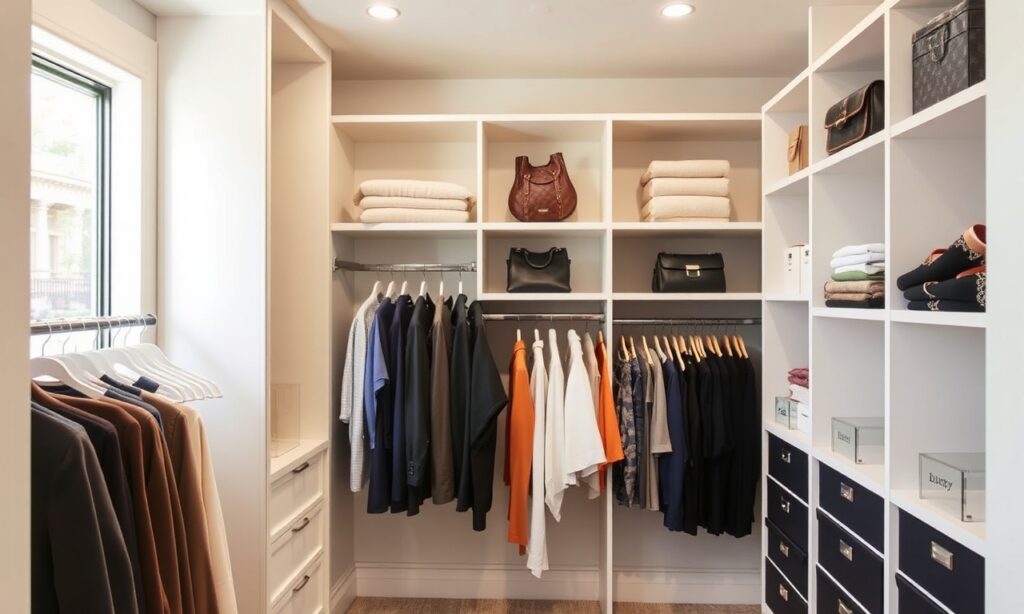
Bedrooms and closets are prime real estate for smart storage. Vertical closet systems, including tiered hanging rods, adjustable shelves, and specialized hangers for accessories like scarves and belts, can dramatically increase capacity. Shoe racks, whether freestanding or mounted, keep footwear organized and visible. For under-bed storage, consider wheeled bins or drawers that can be easily pulled out for access. Even the space behind doors can be utilized with hanging organizers for toiletries, cleaning supplies, or extra linens.
The Psychological Benefits of Smart Storage
Beyond the obvious physical benefits of a tidier home, the psychological impact of mastering smart storage is profound. A decluttered and well-organized environment reduces mental load. When our surroundings are chaotic, our minds often mirror that chaos. Conversely, a serene and orderly space promotes focus, reduces anxiety, and fosters a sense of calm. Research has linked reduced clutter to improved concentration and productivity. According to productivity experts, disorganization costs the average person approximately one hour per week searching for misplaced items. This lost time translates into lost productivity and increased frustration.
Moreover, the act of decluttering and organizing can be incredibly empowering. It’s a tangible way to take control of your environment and, by extension, aspects of your life. Successfully letting go of possessions that no longer serve you can be a cathartic experience, freeing up not only physical space but also emotional energy. This process can lead to greater self-awareness about consumption habits and a renewed appreciation for the items you choose to keep. It cultivates a sense of intentionality that permeates other areas of life.
“The true luxury of smart storage isn’t just about having less clutter; it’s about having more peace of mind.”
Maintaining Smart Storage: Habits for Lasting Order
Implementing smart storage solutions is only half the battle; maintaining that order requires cultivating consistent habits. The “one-in, one-out” rule is a simple yet powerful principle: for every new item that enters your home, an old one must leave. This prevents accumulation from the outset. Regularly scheduled decluttering sessions, even just 15 minutes a week, can prevent clutter from resurfacing. This could involve tidying a specific drawer, clearing a countertop, or reviewing a small section of your closet.
Another essential habit is immediate put-away. Instead of leaving items out, take a moment to return them to their designated storage spot as soon as you’re finished with them. This small discipline prevents the gradual build-up of clutter that can quickly become overwhelming. Developing a routine for sorting mail, dealing with laundry promptly, and putting away groceries immediately after shopping are all foundational habits that support long-term smart storage.
[TIP]Expert Insight: Embrace the ‘visual clutter’ concept. Even if items are stored away, if their containers are unsightly or disorganized, it contributes to a sense of chaos. Invest in uniform, aesthetically pleasing storage solutions that create a cohesive visual experience. This psychological approach to organization is often overlooked but yields significant improvements in perceived order.
Smart Storage for Different Lifestyles
The principles of smart storage can be adapted to virtually any lifestyle. For busy professionals, the emphasis might be on quick-access solutions and minimizing time spent searching for things. This could involve clear labeling, designating specific zones for work-related items, and utilizing digital tools for organization where appropriate. For families with young children, child-friendly storage solutions that encourage tidiness and make it easy for kids to put away their own toys are paramount. Think low shelves, accessible bins, and designated play areas.
For those living in smaller spaces, such as apartments or studios, creative use of vertical space, multi-functional furniture, and a rigorous decluttering process are even more critical. Every item needs to earn its place. For individuals who travel frequently, ensuring that essential travel items are neatly stored and easily accessible can streamline departure and return processes. The core principle remains consistent: understand your needs and tailor your smart storage solutions accordingly.
The Long-Term Impact of Smart Storage
The long-term impact of embracing smart storage extends far beyond the immediate satisfaction of a tidy home. It fosters a more intentional and mindful way of living. When we are less burdened by physical possessions, we have more mental and emotional energy to dedicate to relationships, personal growth, and pursuing our passions. It can lead to reduced financial strain, as mindful consumption naturally curtails impulse buying. Furthermore, a well-organized home can become a sanctuary, a place of refuge and rejuvenation in an often-hectic world.
By consistently applying smart storage principles, you’re not just organizing your belongings; you’re curating your life. You’re making conscious choices about what truly adds value and what detracts from your well-being. This journey is ongoing, but the rewards—a sense of peace, increased efficiency, and a more joyful living environment—are immeasurable.
Frequently Asked Questions
What is the most effective first step in decluttering for smart storage?
The most effective first step is to start small and be consistent. Instead of trying to tackle your entire house at once, choose one small area, like a single drawer, a shelf, or your bedside table. Set a timer for 15-30 minutes and focus solely on that area. This manageable approach builds momentum and prevents overwhelm, making the entire process of implementing smart storage feel less daunting.
How do I deal with sentimental items that are difficult to let go of?
Sentimental items require a more nuanced approach. First, acknowledge the emotional attachment. Then, consider how you interact with these items. Are they displayed and enjoyed, or are they packed away unseen? For items that are too numerous to display, consider digitizing photos or letters. For physical objects, you might choose to keep a few representative pieces and let go of the rest, perhaps donating them to someone who can cherish them anew. Creating a dedicated “memory box” for truly cherished items can also help consolidate and protect them.
Is it better to buy new storage solutions or declutter first?
It is overwhelmingly better to declutter first. Buying new storage solutions before you know what you need to store is akin to buying furniture for a house you haven’t seen the dimensions of. You risk buying items that don’t fit your needs, contributing to more clutter. Once you have decluttered and have a clear understanding of the volume and type of items you need to store, you can then make informed decisions about the most effective smart storage solutions.
How can I involve my family in smart storage efforts?
Involve your family by making it a collaborative effort rather than a chore imposed upon them. Explain the benefits of a more organized home for everyone, such as less time spent looking for things and more time for enjoyable activities. Assign age-appropriate tasks, such as tidying toys, organizing their own closets, or helping with designated decluttering zones. Celebrate small successes together to reinforce positive habits. For children, gamifying the process with rewards or friendly competitions can be highly effective.
What are some common mistakes people make when trying to implement smart storage?
Common mistakes include trying to do too much too soon, leading to burnout; buying storage solutions prematurely; not establishing habits to maintain order; and being overly sentimental, failing to let go of items that no longer serve a purpose. Another frequent error is focusing only on aesthetics without considering functionality. Effective smart storage balances both visual appeal and practical utility.
Final Recommendations
Mastering smart storage is a continuous journey, not a destination. It begins with a conscious decision to live more intentionally. Start by assessing your current environment and identifying areas that cause the most stress or inefficiency. Implement the “one-in, one-out” rule diligently and schedule regular, short decluttering sessions. Prioritize vertical space and multi-functional furniture to maximize your living area. Remember that the ultimate goal of smart storage is not just a tidy home, but a clearer mind and a more peaceful existence. Embrace the process, be patient with yourself, and enjoy the profound benefits of a decluttered life.
See also: Smart Storage