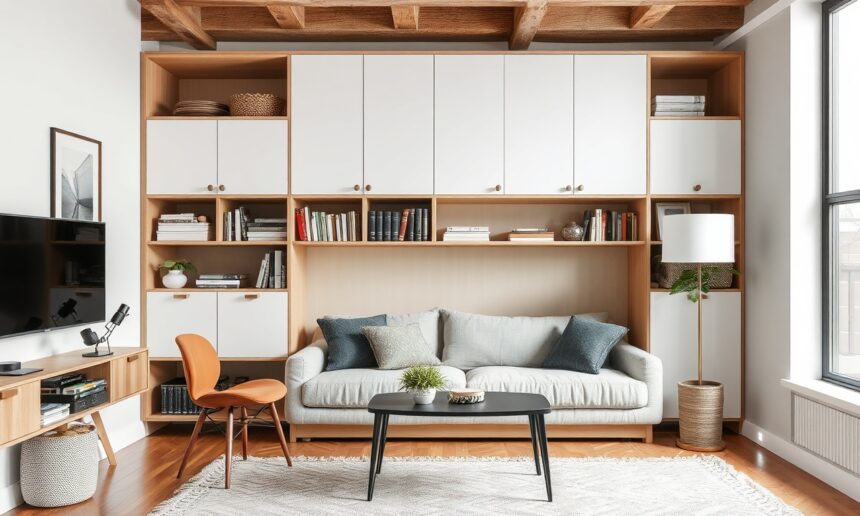
Studio Apartment Storage: The Unsung Hero of Urban Living
The modern studio apartment, a staple of urban existence, presents a unique architectural challenge: how to imbue a single, expansive room with the distinct functionalities of a multi-room dwelling. While often lauded for its minimalist appeal and cost-effectiveness, the reality of studio living is that it demands an almost obsessive level of organization. Without it, the charm quickly devolves into chaos. This is where the often-overlooked, yet profoundly essential, discipline of studio apartment storage emerges not as a mere convenience, but as the very bedrock upon which a comfortable, practical, and aesthetically pleasing studio life is built. It’s the silent architect of sanity in confined quarters, the magician that conjures space where none seems to exist.
- Studio Apartment Storage: The Unsung Hero of Urban Living
- The Core Dilemma: Space Versus Substance
- Creating Zones: The Power of Strategic Storage
- Maximizing Vertical Space: The Studio Dweller’s Best Friend
- Multi-Functional Furniture: The Double-Duty Powerhouses
- The Psychology of Organized Space in a Studio
- Smart Storage Solutions for Every Corner
- Under-Bed Storage: The Forgotten Frontier
- Corner Shelving and Units: Embracing Awkward Angles
- Over-the-Door Organizers: Instant Space Creation
- Built-in Solutions: The Ultimate Integration
- The Role of Decluttering in Storage Success
- Storage as an Aesthetic Element
- Avoiding the Pitfalls: Common Storage Mistakes in Studios
- The Illusion of “Out of Sight, Out of Mind”
- Ignoring Underutilized Spaces
- Choosing the Wrong Scale of Furniture
- The Future of Studio Apartment Storage
- Frequently Asked Questions
- What is the most important storage consideration for a studio apartment?
- How can I make my studio apartment feel larger using storage?
- What are some budget-friendly storage solutions for a studio apartment?
- Is it better to have open or closed storage in a studio apartment?
- How often should I declutter my studio apartment?
- Final Recommendations
The true art of studio apartment living isn’t about minimizing possessions, but about mastering the placement of every item, transforming constraints into creative opportunities.
The allure of a studio apartment often centers on its perceived simplicity and affordability. However, the compact nature necessitates a strategic approach to living that goes beyond mere decoration. Every square foot must serve a purpose, and every item needs a designated home. This isn’t about ruthless decluttering (though that’s a vital first step); it’s about intelligent design and innovative solutions that allow for distinct zones—living, sleeping, working, dining—within a single footprint. The essentiality of storage in this context cannot be overstated. It’s the difference between a cramped, stressful environment and a serene, functional sanctuary.
The Core Dilemma: Space Versus Substance
The fundamental challenge of any studio apartment lies in the inherent conflict between the desire to accumulate life’s necessities and the physical limitations of the space. Unlike traditional apartments with separate rooms for distinct activities, a studio forces a convergence. Your living room doubles as your bedroom, your dining table might also be your workstation. This multi-functionality, while efficient, demands that storage solutions be as adaptable and unobtrusive as possible. Without them, the visual clutter becomes overwhelming, impacting not only the aesthetic appeal but also the mental well-being of the resident. Recent surveys indicate that a significant percentage of renters prioritize flexible living spaces, a sentiment directly addressed by effective storage in studios.
The critical question then becomes: what makes storage so indispensable in this unique living arrangement? It’s the ability to create visual separation, to maintain order, and to ensure that essential items are accessible without dominating the limited floor space. This requires a paradigm shift from simply storing things to strategically integrating storage into the very fabric of the apartment’s design and daily use.
Creating Zones: The Power of Strategic Storage
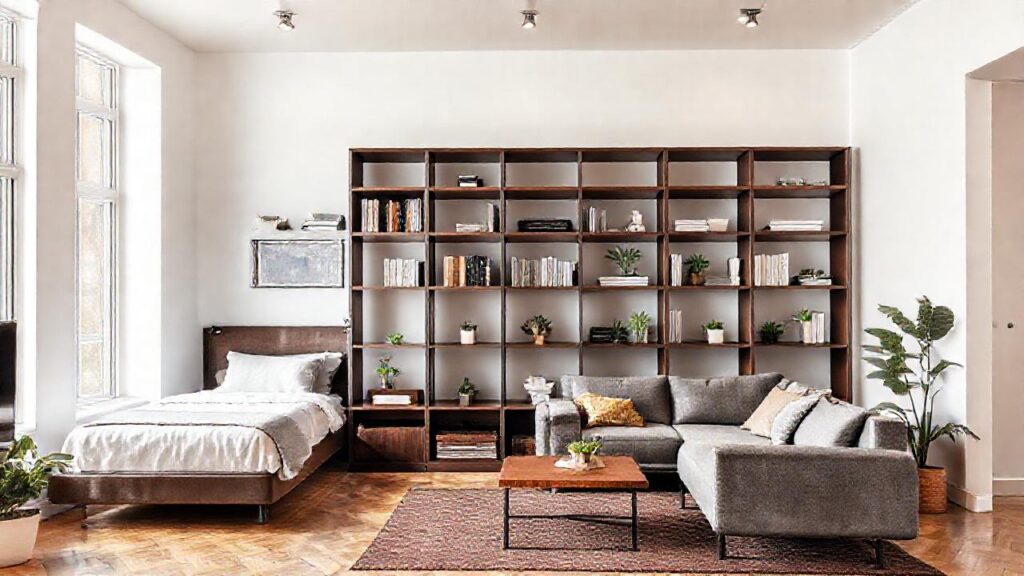
One of the primary functions of effective storage in a studio apartment is its role in delineating functional zones. Without walls to separate living, sleeping, and working areas, furniture and storage units become the de facto dividers. A well-placed bookshelf can act as a partial wall, separating the bed from the living area, while simultaneously providing much-needed space for books, decorative items, and even discreetly hiding less attractive essentials. Similarly, a console table behind a sofa can define the living space and offer a surface for lamps, mail, and keys.
Consider the typical studio layout. The bed is often the largest single piece of furniture, and its placement can dictate the entire room’s flow. By using storage units—like a tall, narrow wardrobe or a modular shelving system—at the foot of the bed, one can create a subtle visual barrier that signals the transition from sleeping to the rest of the apartment. This not only adds a layer of privacy but also utilizes often-dead space for practical storage. This approach transforms a single room into a series of distinct, albeit connected, areas, enhancing the feeling of spaciousness and order.
Maximizing Vertical Space: The Studio Dweller’s Best Friend
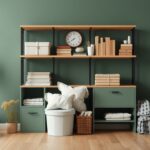
In a studio apartment, floor space is a premium commodity. This makes the intelligent utilization of vertical space not just an option, but an absolute necessity. Walls are your allies, and every inch from floor to ceiling represents an opportunity for storage. This involves thinking beyond traditional furniture and embracing wall-mounted solutions, tall shelving units, and overhead storage.
Think about the often-underutilized space above doorways, windows, and even the kitchen cabinets. Floating shelves, wall-mounted cabinets, and even custom-built nooks can provide storage for items that are used less frequently but still need to be kept within reach. For instance, a series of floating shelves above the sofa can hold books, art, and decorative objects, freeing up valuable surface space on coffee tables and side tables. In the kitchen, extending cabinets to the ceiling can dramatically increase storage capacity for seasonal items or bulk purchases. This vertical strategy is a cornerstone of making a small space feel expansive and organized.
Multi-Functional Furniture: The Double-Duty Powerhouses
The concept of multi-functional furniture is not merely a trend; it’s a survival tactic for studio apartment living. Pieces that serve more than one purpose are invaluable, allowing residents to maximize utility without sacrificing precious floor area. This can range from the obvious, like a sofa bed, to more innovative solutions that integrate storage seamlessly into their design.
Ottomans with hidden storage are a prime example. They can serve as extra seating, a footrest, or a coffee table, all while concealing blankets, magazines, or even out-of-season clothing. Storage beds, with drawers or lift-up mechanisms, are another indispensable item, providing a vast amount of concealed space for linens, shoes, or other belongings. Even a simple dining table can be chosen for its ability to fold down or extend, adapting to different needs and space constraints. Research suggests that multi-functional furniture can improve perceived space and usability in small homes.
When living in a studio, every piece of furniture should ideally answer two questions: What does it do, and what can it hide?
Clever Concealment: Hiding the Clutter
Beyond just providing space, effective storage in a studio apartment excels at *concealing* clutter. The goal is to create a visually calm environment, and this means having designated places for items that don’t contribute to the aesthetic. This often involves using closed storage solutions.
Cabinets with doors, drawers with smooth glides, and even decorative boxes or baskets can hide away everyday items that might otherwise contribute to a messy appearance. Think about the kitchen: while open shelving can look stylish, it also requires constant tidiness. Closed cabinets are essential for storing less attractive but necessary items like cleaning supplies, bulk food items, and less frequently used appliances. The same principle applies to the bedroom area; a wardrobe with solid doors is far more effective at maintaining a serene sleeping environment than an open clothing rack.
The Psychology of Organized Space in a Studio
The impact of organized storage in a studio apartment extends far beyond the purely physical. There’s a significant psychological component to living in a compact space that is well-managed. Visual clutter has been directly linked to increased stress levels and decreased cognitive function. When your surroundings are chaotic, your mind tends to follow suit.
Conversely, a well-organized studio apartment can foster a sense of calm, control, and well-being. Knowing where everything is, and having a designated place for each item, reduces the mental load associated with daily living. This is particularly important in a studio where the lines between different life activities are blurred. A tidy workspace can help with focus, a neatly arranged sleeping area can promote relaxation, and an organized living space can make entertaining guests feel less daunting. This psychological benefit is a powerful, albeit often unacknowledged, reason why studio apartment storage is so essential.
Smart Storage Solutions for Every Corner
The versatility of a studio apartment means that storage solutions need to be equally versatile, adapting to the unique layout and needs of each individual. This requires a creative approach, looking at every nook and cranny as a potential storage opportunity.
Under-Bed Storage: The Forgotten Frontier
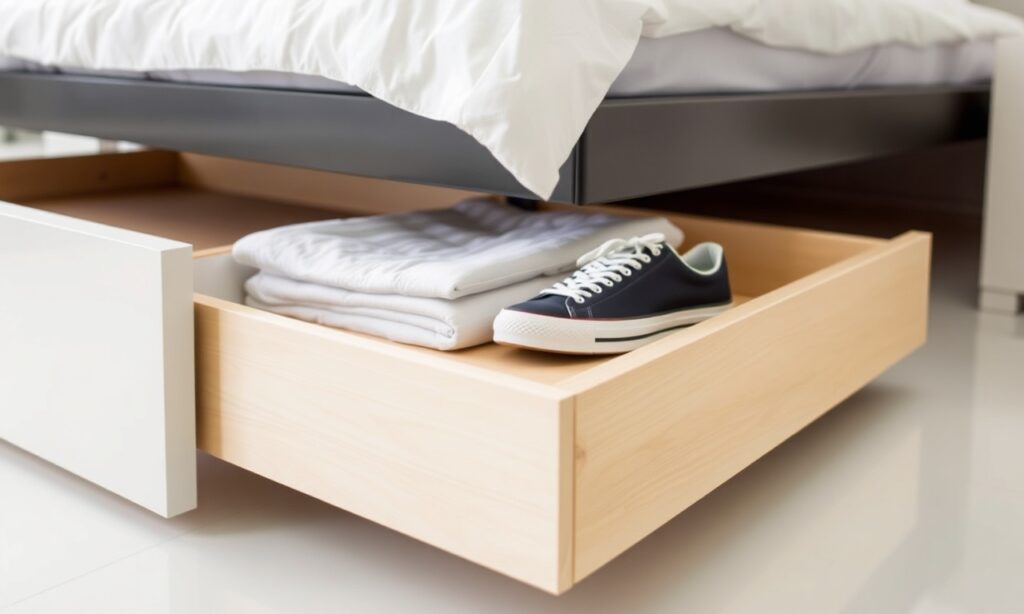
The space beneath the bed is a goldmine for storage, especially in a studio. Low-profile rolling bins or drawers can hold anything from extra bedding and towels to seasonal clothing and shoes. For those with a higher bed frame, or who opt for a platform bed, the possibilities expand even further. Some beds even come with built-in drawers, further enhancing their utility.
Corner Shelving and Units: Embracing Awkward Angles
Corners are notoriously difficult to furnish and utilize effectively. However, specialized corner shelving units and modular storage systems can transform these awkward spaces into valuable storage real estate. These can be used for books, plants, decorative items, or even as a small display area.
Over-the-Door Organizers: Instant Space Creation
These simple yet effective solutions can be hung on the back of any door—bedroom, bathroom, or closet—to provide instant storage for shoes, toiletries, cleaning supplies, or accessories. They are particularly useful in small bathrooms or entryways where floor space is at a premium.
Built-in Solutions: The Ultimate Integration
For those with the budget and inclination, custom-built storage solutions offer the most seamless and effective way to maximize space. This could include built-in wardrobes, shelving units that fit perfectly into alcoves, or even a custom-designed Murphy bed that folds away into a cabinet, freeing up significant floor space during the day. These solutions are tailored to the specific dimensions of the studio, ensuring no space is wasted.
The Role of Decluttering in Storage Success
It is imperative to acknowledge that even the most ingenious storage solutions will falter if the underlying issue of over-possession is not addressed. Decluttering is not just a prerequisite for effective storage; it is an ongoing practice that underpins successful studio apartment living. Before investing in storage units, residents must honestly assess their belongings and purge items that are no longer used, needed, or loved.
This process requires discipline and a willingness to let go. Consider methods that encourage keeping only items that “spark joy.” While the philosophical aspect is important, the practical outcome is a significant reduction in the volume of possessions that need to be stored. Reducing the volume of items at the source is the most efficient storage strategy.
Storage as an Aesthetic Element
Storage in a studio apartment doesn’t have to be purely utilitarian; it can and should be an integral part of the apartment’s overall aesthetic. The right storage solutions can enhance the design, add visual interest, and contribute to a cohesive look and feel.
Consider open shelving, for instance. While it requires a commitment to organization, it can be a beautiful way to display books, art, plants, and personal mementos. The arrangement of these items becomes a form of interior design in itself. Similarly, choosing furniture with integrated storage that complements the existing decor—whether it’s sleek, modern cabinets or rustic wooden chests—ensures that functionality doesn’t come at the expense of style.
Even the choice of storage containers matters. Attractive baskets, decorative boxes, and stylish bins can add texture and color to a space, turning practical storage into a design feature. The key is to select items that not only serve their purpose but also harmonize with the overall aesthetic of the studio.
Avoiding the Pitfalls: Common Storage Mistakes in Studios
Despite the best intentions, studio apartment dwellers often fall into common storage traps. Awareness of these pitfalls can help prevent common frustrations and ensure that storage efforts are truly effective.
The Illusion of “Out of Sight, Out of Mind”
One of the most frequent errors is to simply shove items into closets or drawers without any regard for organization. While this might temporarily clear surfaces, it creates a “black hole” of clutter that is difficult to navigate and often leads to forgotten items. Effective storage requires systems, not just dumping grounds.
Ignoring Underutilized Spaces
Many residents overlook the potential of often-ignored spaces like the area above kitchen cabinets, the space behind doors, or the narrow gaps between furniture. These are prime candidates for custom solutions or cleverly chosen organizers that can significantly increase storage capacity without demanding additional floor space.
Choosing the Wrong Scale of Furniture
In an effort to maximize storage, some studio dwellers opt for overly large or bulky storage units that end up dominating the space and making it feel even smaller. It’s crucial to select storage solutions that are proportionate to the size of the apartment and its existing furniture.
The Future of Studio Apartment Storage
As urban living continues to trend upwards, the innovation in studio apartment storage solutions is only set to accelerate. We are seeing a rise in smart furniture that integrates technology, modular systems that can be reconfigured endlessly, and a greater emphasis on sustainable and multi-functional designs.
The focus is shifting from mere containment to creating dynamic, adaptable living environments that respond to the evolving needs of their inhabitants. Expect to see more integrated lighting within shelving, furniture that transforms with electronic commands, and a greater use of lightweight, durable, and aesthetically pleasing materials. The essence of studio apartment storage will remain its essentiality, but its manifestation will become increasingly sophisticated and intuitive.
Frequently Asked Questions
What is the most important storage consideration for a studio apartment?
The most crucial consideration is maximizing vertical space and utilizing multi-functional furniture. In a studio, every inch of wall space is valuable real estate, and furniture that serves multiple purposes (e.g., storage ottomans, sofa beds) is paramount for efficient living. This approach helps create distinct zones and keeps the limited floor space clear.
How can I make my studio apartment feel larger using storage?
Storage contributes to a larger feel by reducing visual clutter. Opt for light-colored, sleek storage units, and consider open shelving for displaying fewer, curated items. Wall-mounted units and furniture with legs that create visual space underneath also contribute to an illusion of spaciousness. Strategically placed mirrors on storage units can further enhance this effect.
What are some budget-friendly storage solutions for a studio apartment?
Budget-friendly options include DIY shelving using crates or planks, over-the-door organizers, under-bed rolling bins, and decorative baskets or boxes for concealing items. Thrift stores and second-hand marketplaces can also be excellent sources for affordable furniture and storage units that can be repurposed.
Is it better to have open or closed storage in a studio apartment?
A combination of both is usually ideal. Closed storage is essential for hiding everyday clutter, less aesthetically pleasing items, and maintaining a sense of calm. Open storage can be used strategically for displaying books, plants, and decorative items, adding personality to the space. The key is to ensure that any open storage is kept tidy and curated.
How often should I declutter my studio apartment?
Regular decluttering is vital. Aim for a mini-declutter monthly and a more thorough declutter session seasonally or bi-annually. This prevents clutter from accumulating and overwhelming your storage systems, ensuring your studio remains functional and pleasant to live in.
Final Recommendations
The imperative of robust and intelligent storage in a studio apartment cannot be overstated. It transcends mere organization; it is the fundamental principle that underpins the livability, functionality, and psychological comfort of compact urban dwellings. By embracing vertical space, investing in multi-functional furniture, strategically concealing clutter, and committing to regular decluttering, studio dwellers can transform their limited square footage into a highly efficient, aesthetically pleasing, and serene home. The essentiality of studio apartment storage lies in its power to unlock the full potential of compact living, proving that a smaller space can indeed offer a richer, more organized life.
See also: studio apartment