The hushed elegance of a well-appointed living room often hinges on the subtle interplay of form and function. Yet, for many, the reality is a constant negotiation between a desire for curated aesthetics and the unavoidable constraints of limited space. Picture this: a cozy apartment, a stylishly furnished study, or even a grander home where an unexpected guest arrives, and the need for additional surface area suddenly becomes paramount. Where do you find that extra spot for a coffee cup, a reading lamp, or perhaps a decorative accent, without cluttering your meticulously arranged space?
- The Ingenious Design of Nesting Tables
- The Strategic Advantage: Beyond Mere Furniture
- Space Optimization: The Core Benefit
- Unparalleled Versatility: Adapting to Your Needs
- Aesthetic Enhancement: More Than Just Practicality
- Choosing the Right Nesting Tables for Your Space
- Integrating Nesting Tables into Your Interior Design Scheme
- Beyond the Coffee Table: Creative Placement Ideas
- Layering and Composition: Creating Visual Interest
- The Role in Small-Space Living
- Maintaining Your Nesting Tables for Lasting Beauty
- Frequently Asked Questions
- What are nesting tables?
- What are the benefits of using nesting tables?
- What materials are nesting tables typically made from?
- How do I choose the right size nesting tables for my space?
- Are nesting tables suitable for heavy use?
- Final Recommendations: Embracing the Smart Design of Nesting Tables
This is precisely where the humble yet ingenious nesting table emerges not merely as a piece of furniture, but as a strategic ally in the ongoing quest for both style and practicality.
Nesting tables are a masterful solution, offering a chameleon-like ability to adapt to your spatial needs while elevating your interior design.
The concept of nesting tables is deceptively simple, yet its impact on interior design and functionality is profound. At its core, it’s about maximizing utility within a minimal footprint. These sets, typically comprising three or more tables of varying sizes, are designed to fit neatly beneath one another, creating a cohesive and compact unit when not in use. This inherent ability to recede and reappear as needed makes them an indispensable element for anyone seeking to optimize their living environment. Beyond mere space-saving, however, lies a sophisticated design element that can enhance the visual appeal of any room, offering flexibility that static furniture simply cannot match.
The Ingenious Design of Nesting Tables
The genesis of nesting tables can be traced back to a desire for adaptable furniture, a response to the evolving needs of domestic life. While pinpointing an exact inventor is challenging, the principle gained significant traction in the early to mid-20th century, a period characterized by a burgeoning appreciation for modern design and a growing awareness of the importance of efficient living spaces. Designers began experimenting with modularity and multi-functional pieces, and nesting tables perfectly embodied this ethos.
Wikipedia: Contents — Wikipedia
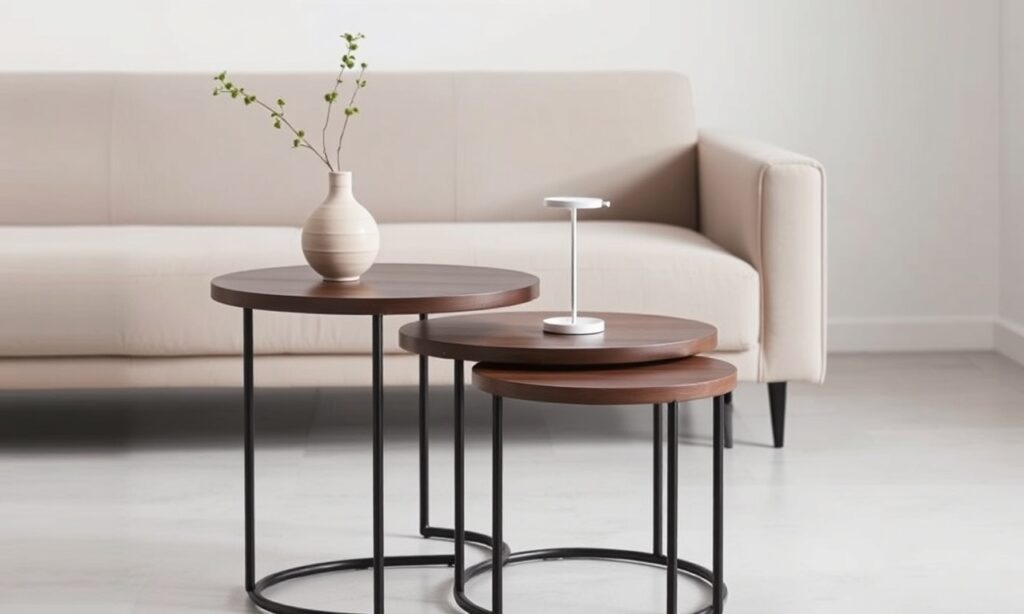
The brilliance lies in their tiered construction. Each table is designed with a specific height and footprint, allowing the smaller ones to tuck perfectly under the larger ones. This stacking capability is not just about storage; it’s about creating a visually appealing composition even when fully nested. The largest table often serves as the primary surface, while the smaller ones can be pulled out individually to provide auxiliary surfaces for drinks, snacks, books, or decorative items. This adaptability makes them incredibly versatile, transitioning seamlessly from a minimalist accent piece to a functional hub as your needs dictate.
Materials and Aesthetics: A Spectrum of Style
The beauty of nesting tables extends to the sheer diversity of materials and styles available. This allows them to integrate effortlessly into virtually any decor scheme, from the ultra-modern to the rustic farmhouse.
- Wood: Solid wood nesting tables, whether in rich walnut, classic oak, or painted finishes, bring warmth and timeless elegance. They are robust, durable, and can lend themselves to both traditional and contemporary settings. For a more industrial or minimalist look, reclaimed wood or wood with visible grain can be a striking choice.
- Metal: Metal frames, often in sleek chrome, brushed nickel, or matte black, paired with glass, marble, or wood tops, offer a distinctly modern and sophisticated feel. These are excellent for adding a touch of glamour or an industrial edge to a space. Their inherent strength also means they can often support heavier items.
- Glass: Glass-topped nesting tables, particularly those with clear or frosted glass, can make a space feel larger and more open. They are ideal for smaller rooms where you want to maintain a sense of airiness. Combining glass with metal frames is a popular choice for contemporary interiors.
- Marble and Stone: For a touch of luxurious indulgence, marble or stone-topped nesting tables are unparalleled. These add significant visual weight and a sense of opulence. They are often paired with minimalist metal bases to balance the richness of the stone.
- Mixed Media: Many contemporary designs embrace a combination of materials, such as a metal base with a wooden top, or a glass surface with a concrete-effect finish. This fusion of textures and materials can create unique and visually dynamic pieces.
The choice of material significantly influences the overall aesthetic. A set of dark wood nesting tables might evoke a sense of classic comfort, while a chrome and glass set speaks to a more avant-garde sensibility. Understanding your existing decor is key to selecting nesting tables that not only serve a purpose but also enhance your home’s visual narrative.
The Strategic Advantage: Beyond Mere Furniture
Nesting tables are not just about furniture; they are about intelligent design choices that enhance daily living. Their strategic deployment can transform a seemingly cramped or underutilized space into a highly functional and aesthetically pleasing area.
Space Optimization: The Core Benefit
In urban living and smaller homes, every square inch counts. Nesting tables are the champions of space-saving. When not in active use, they consolidate into a single, compact unit, occupying a fraction of the space of individual side tables or a coffee table. This is particularly advantageous in living rooms, entryways, and even bedrooms. For instance, a small living room might feel overwhelmed by a large, static coffee table. A set of nesting tables, however, can be tucked away neatly, providing a more open floor plan. When guests arrive, they can be easily pulled out to offer ample surface area for drinks and appetizers.
Unparalleled Versatility: Adapting to Your Needs
The true power of nesting tables lies in their inherent versatility. They are not confined to a single function or location.
- Living Rooms: They serve as perfect side tables next to sofas and armchairs, offering convenient spots for remotes, books, or beverages. When entertaining, they can be spread out to create a larger surface area for guests.
- Entryways: A small nesting table set can provide a landing spot for keys, mail, or decorative items, adding a touch of style to your foyer without overwhelming the space.
- Bedrooms: They can function as bedside tables, holding lamps, alarm clocks, and personal items.
- Home Offices: In a compact home office, nesting tables can provide extra desk space for documents, a printer, or a second monitor when needed, then be neatly stowed away.
- Small Apartments: For studio apartments or micro-living situations, nesting tables are indispensable, providing adaptable surfaces that cater to various activities without permanently occupying precious floor space.
This ability to adapt makes them a dynamic element in interior design, allowing you to reconfigure your space as your lifestyle evolves.
Aesthetic Enhancement: More Than Just Practicality
Beyond their practical benefits, nesting tables can significantly contribute to the aesthetic appeal of a room. The tiered design itself adds visual interest and depth. When pulled out, they create a layered effect, breaking up large, flat surfaces and adding a sense of curated design. The variety of materials and finishes means they can act as statement pieces or subtle, complementary accents. A set with an intricate metal base can draw the eye, while a simple wooden set can blend seamlessly, providing a grounding element.
Choosing the Right Nesting Tables for Your Space
The selection of nesting tables should be a deliberate process, considering both aesthetic harmony and functional requirements. A thoughtful choice can elevate your decor and enhance your daily living experience.
Assessing Your Needs and Space
Before you begin browsing, take stock of your existing furniture and the dimensions of the space where the tables will be used.
- Size and Scale: Measure the available area. Ensure the largest table, when fully extended, will fit comfortably without impeding movement. Consider the height relative to your seating. Side tables should generally be at or slightly below the height of your sofa’s armrests for optimal convenience.
- Number of Tables: Most sets come with three or four tables. Consider how many separate surfaces you anticipate needing. If you primarily require just one extra surface, a smaller set might suffice. If you frequently entertain or need multiple spots for items, a larger set offers more flexibility.
- Primary Function: Will they be used mainly for decorative purposes, or will they bear the brunt of daily use, holding drinks, books, and electronics? This will influence the durability and material you choose.
Material and Style Considerations
As discussed earlier, the material and style are paramount for aesthetic integration.
- Match Existing Decor: If your home is characterized by warm, natural wood tones, opt for wooden nesting tables. For a more industrial or contemporary feel, metal and glass combinations are ideal.
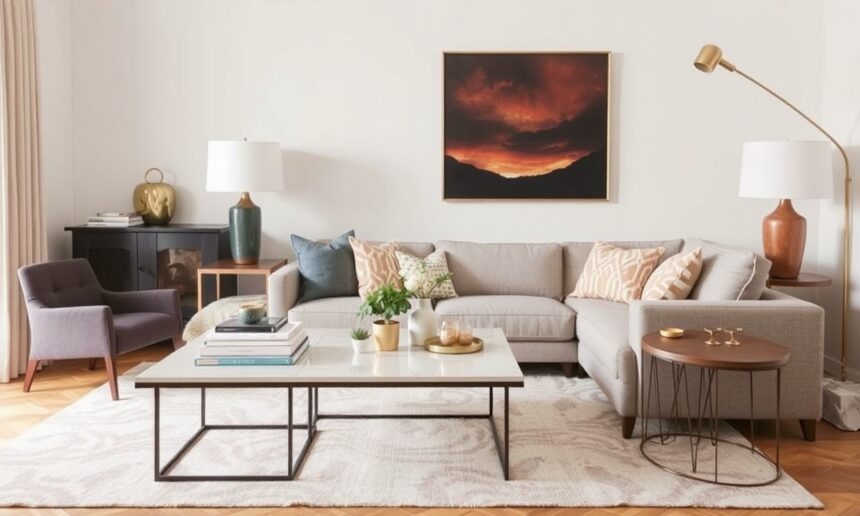
- Create Contrast: Sometimes, introducing a contrasting material or finish can add visual interest. For example, a set of metallic nesting tables can provide a striking counterpoint to plush, upholstered furniture.
- Consider Longevity: For high-traffic areas, durable materials like solid wood or sturdy metal are preferable. For less-used spaces, more delicate materials like thin glass might be acceptable.
Durability and Construction Quality
The quality of construction is crucial for the longevity and functionality of nesting tables.
- Sturdy Joints: Examine how the legs are attached to the tabletop. Look for secure joinery and robust fasteners.
- Stable Bases: The tables should sit level and not wobble. The design of the bases should provide stability, especially for the larger tables.
- Scratch and Stain Resistance: If the tables will be used for drinks or food, consider finishes that are resistant to scratches and stains, or plan to use coasters and placemats.
Integrating Nesting Tables into Your Interior Design Scheme
The true artistry of nesting tables lies in their smoothly connect, where they enhance rather than detract from your overall design. They are more than just functional additions; they are opportunities to add layers of interest and purpose to your space.
Beyond the Coffee Table: Creative Placement Ideas
While their most common placement is beside sofas, nesting tables offer a surprising range of creative applications.
- Corner Accents: A set of nesting tables can fill an awkward corner, providing a display area for plants, artwork, or a collection of books. The tiered design prevents the corner from feeling cluttered.
- As a Bedside Ensemble: In a bedroom, a set of nesting tables can replace traditional bedside tables, offering more surface area for lamps, books, and personal items. The smaller tables can be pulled out to hold a tray for breakfast in bed.
- Hallway Console Alternative: For narrow hallways, a slim set of nesting tables can serve as a functional console, providing a place to drop keys and mail, with the smaller tables offering a temporary surface for a decorative arrangement.
- Flexible Dining or Work Space: In very small apartments, a larger nesting table, when fully extended, can sometimes serve as a temporary dining surface or a compact workspace for a laptop, especially when paired with a suitable chair.
Layering and Composition: Creating Visual Interest
The inherent tiered nature of nesting tables lends itself perfectly to creating visual depth and interest.
- Varying Heights: Pull out the tables to different extents to create a dynamic, layered composition. This breaks up the visual monotony and adds a sense of curated arrangement.
- Strategic Styling: Use the different surfaces to display a variety of items. A taller lamp on the largest table, a stack of books on a medium one, and a decorative bowl on the smallest creates a sophisticated arrangement.
- Color and Texture Play: Introduce elements with contrasting colors and textures on the tables. A smooth metallic vase on a rough wooden top, or a vibrant ceramic piece on a sleek glass surface, can add tactile and visual appeal.
“Nesting tables are my secret weapon for adding both function and flair to challenging spaces. Their ability to expand and contract on demand is invaluable, allowing for a fluid, adaptable interior that feels both stylish and lived-in.” – [Fictional Renowned Interior Designer]
The Role in Small-Space Living
For those living in apartments, studios, or smaller homes, nesting tables are not a luxury, but a necessity. They are the unsung heroes of maximizing functionality without sacrificing style. Their ability to be discreetly stored allows for open floor plans and the illusion of more space. This is crucial in environments where furniture can easily overwhelm the available area. A well-chosen set can make a small living room feel more expansive and a compact dining nook more versatile.
Maintaining Your Nesting Tables for Lasting Beauty
Like any piece of furniture, nesting tables require care to maintain their aesthetic appeal and structural integrity. The approach to maintenance will vary depending on the materials used.
General Cleaning and Care
- Dusting: Regular dusting with a soft, dry cloth is essential for all materials. Avoid abrasive cloths or harsh chemicals that can scratch surfaces.
- Spills: Wipe up spills immediately with a clean, damp cloth. For stubborn marks, use a mild soap solution, but always test in an inconspicuous area first.
- Avoid Direct Sunlight: Prolonged exposure to direct sunlight can cause fading and damage to finishes, especially on wood and certain upholstered elements.
Material-Specific Maintenance
- Wood: For wooden tables, consider occasional polishing with a furniture polish designed for your specific wood type. For deeper scratches or wear, wood fillers or professional refinishing might be necessary.
- Glass: Use a standard glass cleaner and a microfiber cloth for a streak-free finish. For tempered glass, avoid harsh impacts.
- Metal: Metal frames can often be cleaned with a damp cloth and mild soap. For polished metals like chrome, a specialized metal polish can restore shine. Be cautious with abrasive cleaners on plated finishes, as they can wear away over time.
- Stone (Marble, Granite): These materials are porous and can stain. Use coasters and placemats religiously. Clean with mild soap and water. Avoid acidic cleaners like vinegar or lemon juice, which can etch the surface. Sealing stone surfaces periodically can help protect them.
Frequently Asked Questions
What are nesting tables?
Nesting tables are sets of tables of varying sizes designed to fit neatly under one another. This allows them to be stored compactly when not in use and pulled out individually to provide additional surface area as needed, offering a space-saving and versatile furniture solution.
What are the benefits of using nesting tables?
The primary benefits include significant space optimization, unparalleled versatility for adapting to different needs and occasions, and aesthetic enhancement through layered design. They are particularly ideal for smaller homes, apartments, or any space where flexibility is key.
What materials are nesting tables typically made from?
Nesting tables are available in a wide range of materials, including solid wood, metal (such as chrome, steel, or wrought iron), glass (clear, frosted, or tinted), marble, stone, and various combinations of these. The material choice greatly influences the style and durability of the tables.
How do I choose the right size nesting tables for my space?
Consider the dimensions of the area where they will be placed. Measure the available floor space and the height of your existing furniture, such as sofas or chairs. Ensure that when the largest table is fully extended, it fits comfortably and allows for easy movement around it.
Are nesting tables suitable for heavy use?
The suitability for heavy use depends largely on the materials and construction quality. Solid wood and sturdy metal frames generally offer greater durability for frequent use, holding drinks, books, and electronics. Glass and marble-topped tables can also be durable but may require more careful handling to prevent chips or scratches. Always check the weight capacity if specified by the manufacturer.
Final Recommendations: Embracing the Smart Design of Nesting Tables
In the intricate dance of interior design, where form must harmonize with function, nesting tables emerge as a sophisticated and pragmatic solution. They transcend the limitations of static furniture, offering a dynamic approach to living and entertaining. Whether you inhabit a sprawling estate or a cozy urban dwelling, the strategic integration of nesting tables can unlock a new level of spatial efficiency and aesthetic refinement. They are not merely an accessory but a fundamental component for creating adaptable, stylish, and highly personal living environments. By understanding their inherent advantages and making informed choices regarding materials, style, and placement, you can harness the power of nesting tables to transform your space, proving that true elegance often lies in intelligent, understated design.
See also: nesting tables