Small Space Living: The Art of Strategic Maximization
A staggering 35% of Americans report feeling overwhelmed by clutter in their homes, a sentiment that disproportionately affects those residing in smaller living quarters. The perception of a small space often conjures images of cramped quarters, a constant battle against overflowing shelves, and a feeling of being perpetually disorganized. However, this perspective fundamentally misunderstands the potential inherent in compact living. Small space organization is not merely about tidying up; it is a sophisticated, strategic discipline that transforms perceived limitations into powerful opportunities for efficiency, aesthetic appeal, and enhanced well-being. It’s about cultivating an environment that feels expansive, functional, and deeply personal, regardless of its physical footprint.
- Small Space Living: The Art of Strategic Maximization
- The Psychology of Small Space Dwelling
- Foundational Principles: Decluttering with Intent
- Verticality and Hidden Potential: Maximizing Every Inch
- Multi-Functional Furniture: The Chameleon of Compact Living
- Containerization and Zoning: Creating Order from Chaos
- The Art of Visual Deception: Making Space Feel Larger
- Maintenance and Mindset: Sustaining an Organized Small Space
- Real-World Application: A Case Study in Compact Living
- The Evolving Small Space: Adapting to Life’s Changes
- Conclusion: Embracing the Potential of Compact Living
- Frequently Asked Questions
- How can I make my small space feel bigger without expensive renovations?
- What is the most effective way to declutter a small space?
- Are there specific types of furniture that are best for small spaces?
- How often should I declutter my small space?
- Final Recommendations
This masterclass explore the nuanced methodologies that elevate small space living from a compromise to a curated lifestyle.
The true measure of a small space isn’t its square footage, but the ingenuity with which it is curated.
The Psychology of Small Space Dwelling
Understanding the psychological impact of living in a small space is paramount to effective organization. When our environment is cluttered or disorganized, it can lead to increased stress, anxiety, and a diminished sense of control. Conversely, a well-organized small space can foster feelings of calm, clarity, and accomplishment. Research suggests that perceived crowding, often a byproduct of disorganization in compact homes, can negatively affect mood and cognitive performance. By implementing strategic organizational principles, we can actively combat these negative effects, creating sanctuaries that promote mental well-being and productivity. This psychological alignment is the bedrock upon which all successful small space strategies are built.
Foundational Principles: Decluttering with Intent
Before any organizational system can be implemented, a rigorous decluttering process is essential. This is not a superficial tidying exercise but a close look into the personal relationship we have with our possessions. While some methods emphasize keeping only items that “spark joy,” a more pragmatic approach for small spaces involves a functional assessment combined with emotional detachment. Consider the “one in, one out” rule not just for new purchases but for existing items. If an item hasn’t been used in a year, or if it serves a purpose that can be more efficiently met by another item, it’s a prime candidate for removal.
This mindful curation ensures that every object in your small space serves a purpose or brings genuine delight, preventing the accumulation of unnecessary bulk.
The ‘Keep, Donate, Discard’ Triage
This fundamental triage system is the cornerstone of effective decluttering.
- Keep: Items that are regularly used, essential for daily life, or hold significant sentimental value that doesn’t impede functionality.
- Donate: Items in good condition that are no longer needed but could be of use to others. This includes clothing, books, household goods, and gently used electronics.
- Discard: Items that are broken, stained, expired, or beyond repair. These should be responsibly disposed of or recycled according to local guidelines.
This systematic approach ensures that decisions are made thoughtfully, minimizing emotional attachment to items that no longer serve a positive purpose.
Verticality and Hidden Potential: Maximizing Every Inch
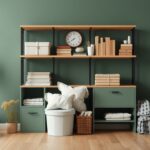
In small spaces, horizontal surfaces are a finite commodity. The true frontier for organization lies in the vertical dimension. This involves leveraging walls, ceilings, and even the undersides of furniture to create storage solutions. Think beyond traditional shelving units. Wall-mounted cabinets, floating shelves, pegboards, and vertical garden systems can all contribute significantly to storage capacity without encroaching on precious floor space. The key is to think in three dimensions, envisioning how to utilize the “air” above and around your existing furniture.
Clever Wall Utilization
Walls are often the most underutilized real estate in a small home. Transforming them into functional storage hubs can dramatically increase capacity.
- Floating Shelves: Ideal for displaying decorative items, books, or small essentials, these create an illusion of spaciousness while providing storage.
- Wall-Mounted Organizers: From spice racks in the kitchen to mail sorters in an entryway, these systems keep items visible and accessible.
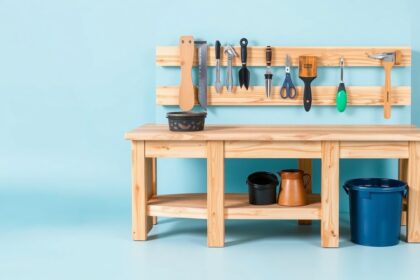
- Pegboards: Highly versatile, pegboards can be customized with hooks, shelves, and containers to store everything from tools and craft supplies to kitchen utensils.
- Tall Bookcases or Cabinets: Extending to the ceiling, these provide substantial storage while drawing the eye upward, making the room feel taller.
Multi-Functional Furniture: The Chameleon of Compact Living
The strategic selection of furniture is critical in small spaces. Opting for pieces that serve multiple purposes is an intelligent way to reduce the number of items needed, thereby freeing up space and enhancing functionality. A sofa bed, for instance, transitions from a comfortable seating area to a guest sleeping space. Ottomans with hidden storage can serve as footrests, extra seating, and repositories for blankets or magazines. A dining table that folds down from the wall or extends to accommodate more guests exemplifies this principle of adaptability.
The Power of Transformable Pieces
Investing in furniture that can adapt to changing needs is a hallmark of sophisticated small space design.
- Storage Beds: These provide ample room for linens, seasonal clothing, or other bulky items beneath the mattress.
- Nesting Tables: A set of tables that tuck neatly under each other offer flexible surface area without constant visual clutter.
- Convertible Desks: Wall-mounted desks that fold away when not in use are perfect for creating temporary workspaces.
- Storage Benches: Placed at the foot of a bed or in an entryway, these offer seating and hidden storage.

Containerization and Zoning: Creating Order from Chaos
Once decluttering is complete and furniture is optimized, the focus shifts to effective containerization and zoning. This involves assigning specific homes for everything and utilizing containers that maximize space efficiency. Think about clear, stackable bins for closets, drawer dividers for kitchens and bathrooms, and wall-mounted caddies for shower essentials. Zoning involves designating specific areas for particular activities – a reading nook, a workspace, a dining area – even within a single room. This visual and functional separation helps maintain order and prevents items from migrating into inappropriate zones.
Strategic Container Choices
The right containers can make or break your organization system.
- Clear Bins: Allow you to see contents at a glance, saving time and preventing the need to open multiple containers.
- Stackable Boxes: Maximize vertical storage within cabinets and closets.
- Drawer Dividers: Essential for keeping smaller items like socks, utensils, or office supplies neatly separated.
- Over-the-Door Organizers: Perfect for shoes, toiletries, cleaning supplies, or pantry items, utilizing often-neglected vertical space.
The Art of Visual Deception: Making Space Feel Larger
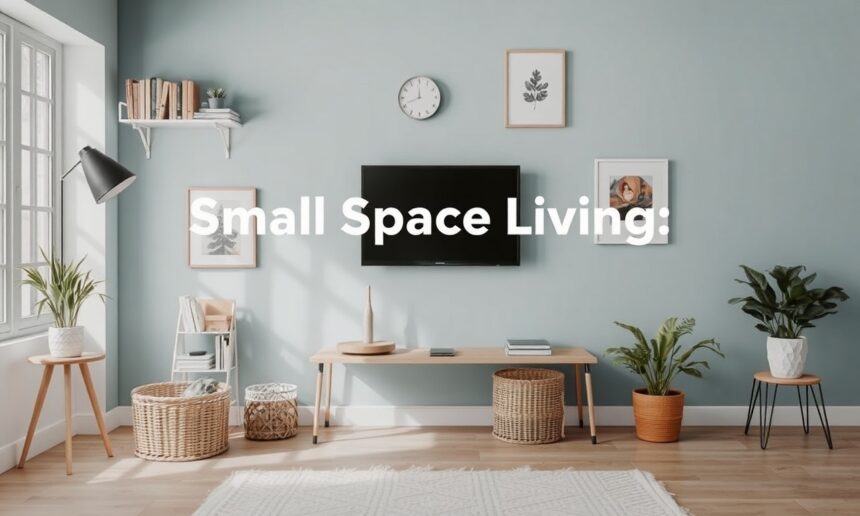
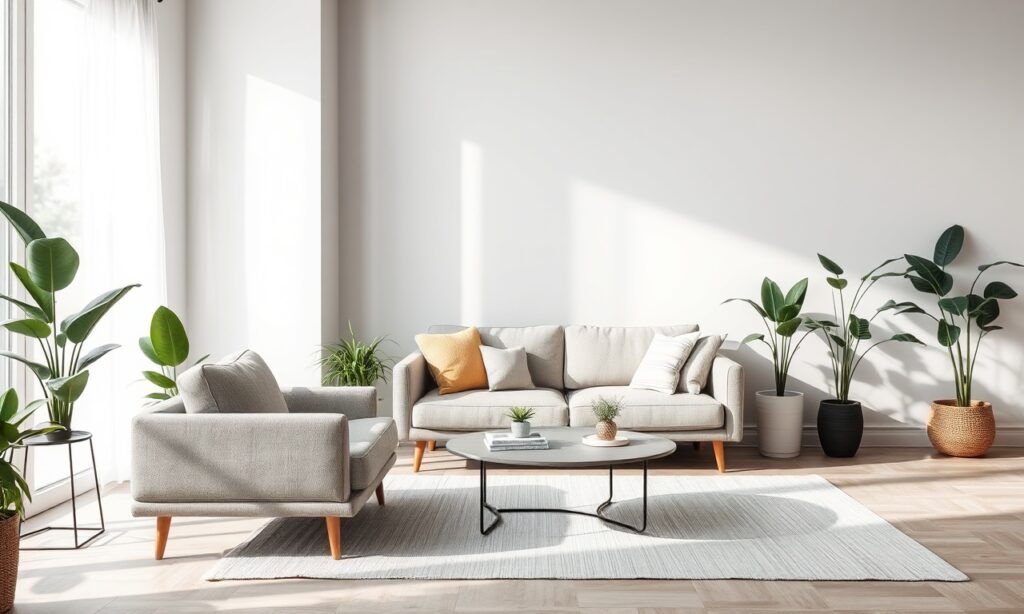
Beyond pure organization, certain aesthetic principles can contribute to the perception of a larger space. Light colors, reflective surfaces, and strategic lighting can all play a role. Mirrors, in particular, are invaluable tools, reflecting light and creating an illusion of depth. Keeping pathways clear and avoiding bulky, dark furniture also contributes to an open, airy feel. The goal is to create a sense of visual flow, where the eye can move freely through the space without encountering unnecessary obstructions.
Leveraging Light and Reflection
The interplay of light and reflective surfaces can dramatically alter the perception of space.
- Mirrors: Strategically placed mirrors, especially opposite windows, can double the apparent size of a room and amplify natural light.
- Light Color Palettes: White, pastels, and other light hues on walls and large furniture pieces reflect more light, making the space feel brighter and more expansive.
- Accent Lighting: Well-placed lamps and task lighting can illuminate darker corners, making the entire space feel more open.
- Glass and Acrylic Furniture: These materials create a sense of lightness and transparency, allowing the eye to pass through them, thus maintaining an open feel.
Maintenance and Mindset: Sustaining an Organized Small Space
The most effective small space organization systems are not static; they require ongoing maintenance and a conscious mindset shift. Regularly dedicating a few minutes each day to putting things back in their designated homes is far more effective than undertaking massive decluttering sessions infrequently. Cultivating a mindset of intentionality – asking “Do I need this?” and “Where will this live?” before acquiring new items – is crucial for long-term success. This proactive approach prevents clutter from re-establishing itself and ensures that the organized state of your small space becomes a sustainable reality.
Real-World Application: A Case Study in Compact Living
Consider Sarah, a young professional living in a studio apartment in a bustling city. Initially, her 400-square-foot space felt cramped and chaotic. Her desk was buried under papers, her closet was overflowing, and the living area doubled as a makeshift storage unit. By applying these principles, Sarah transformed her apartment. She invested in a wall-mounted fold-down desk, a sofa bed for occasional guests, and utilized vertical shelving units that reached the ceiling. Clear bins in her closet organized her clothing by season, and drawer dividers kept her kitchen essentials tidy. She strategically placed a large mirror opposite her window, amplifying the natural light.
The result was a chic, functional, and surprisingly spacious-feeling apartment that became a source of pride rather than stress.
The Evolving Small Space: Adapting to Life’s Changes
Life is dynamic, and so too should be our approach to small space organization. As needs change – perhaps a new hobby emerges, or a family member moves in – the organizational system must adapt. This might involve re-evaluating furniture placement, acquiring new storage solutions, or revisiting the decluttering process. The key is flexibility and a willingness to refine the system rather than rigidly adhering to outdated solutions. The principles of strategic maximization remain constant, but their application may evolve.
Conclusion: Embracing the Potential of Compact Living
Small space organization is not about deprivation; it’s about intelligent curation and maximizing potential. By understanding the psychological underpinnings, embracing verticality, investing in multi-functional furniture, and adopting a mindful approach to maintenance, anyone can transform a compact living area into a haven of order, style, and comfort. The strategies outlined in this masterclass provide a robust framework for not just managing a small space, but truly thriving within it, proving that expansive living is a state of mind, expertly crafted through strategic organization.
Frequently Asked Questions
How can I make my small space feel bigger without expensive renovations?
You can create the illusion of more space through strategic use of light colors, ample mirrors that reflect light, and maintaining clear sightlines. Opt for furniture with legs to create a sense of openness underneath, and ensure adequate lighting, both natural and artificial, to brighten the entire area. Keeping clutter to an absolute minimum is paramount, as it can make even the largest rooms feel cramped.
What is the most effective way to declutter a small space?
The most effective decluttering method for a small space is a systematic, intentional approach. Start by categorizing items (e.g., clothing, books, kitchenware) and tackling one category at a time. Employ the “keep, donate, discard” triage. Be honest about what you genuinely use, need, or love. Consider the “one year rule”: if you haven’t used it in a year, it’s likely time to let it go, unless it’s a truly essential seasonal item.
Are there specific types of furniture that are best for small spaces?
Yes, multi-functional and transformable furniture are ideal. Think sofa beds, ottomans with storage, nesting tables, wall-mounted fold-down desks, and beds with built-in drawers or lift-up mechanisms for storage. Furniture that is proportionate to the room size and has a visually light design (e.g., with exposed legs or made of glass/acrylic) also helps. Vertical storage solutions like tall, slim bookshelves or wall-mounted units are crucial.
How often should I declutter my small space?
While a major decluttering session can be beneficial initially, ongoing maintenance is key. Aim for a quick “tidy-up” daily, putting items back in their designated places. Implement the “one in, one out” rule for new purchases. Schedule a more thorough review of specific areas (like closets or kitchen cabinets) every 3-6 months. This consistent effort prevents the overwhelming buildup of clutter that often plagues small spaces.
Final Recommendations
Embrace the philosophy that a small space is not a limitation, but a canvas for ingenious design and mindful living. Prioritize functionality and intentionality in every purchase and organizational decision. Cultivate a habit of daily tidying and regular, thoughtful decluttering. By consistently applying these strategic principles, you can transform your compact dwelling into an organized, inspiring, and remarkably expansive sanctuary. Remember, the goal is not just to store things, but to create a living environment that supports your well-being and enhances your daily life.
See also: small space